Small Space Homestead: Ultimate Guide for Beginners
You Don’t Need Much Land to Start Homesteading
Starting a homestead doesn’t mean you need acres of land or a large garden. I began my homesteading journey with just a small backyard and five kids running around. It was a tiny space, but it gave me enough room to learn the most important things about growing my own food and living a self-sufficient lifestyle.
Homesteading Within City Limits Is Possible
Homesteading in urban areas looks different than on a big property, but it’s just as rewarding. Even within city limits, a small space homestead can provide fresh eggs from backyard chickens, a vegetable garden, and medicinal herbs. You don’t need much space to get started.
Small Space Homesteading Works for Everyone
If you’re living in a small apartment or have limited space, don’t worry. You can still create your own homestead by taking small steps and using the best places to grow. Vertical gardening, container gardens, and raised beds are great ideas for making the most of garden space in tiny backyards or small areas.
Building a small homestead is a great way to reduce trips to the grocery store and take control of what your family eats. Whether you’re a first-time homesteader or looking for a different approach to food and self-reliance, this guide will help you find the right path. No matter your space or experience, a small space homestead is the perfect place to start your homesteading journey.
Save for Later!

Start Where You Are: Homesteading in Urban and Small Spaces
Assess Your Space and Sunlight
The first thing to do is take a good look at your small space. Whether you have a tiny backyard, a balcony, or even a small apartment window, there’s potential to grow food. Checking how much sun your area gets is one of the most important things before planting. A soil test can also help you know what your garden beds might need.
Use Community Gardens and Local Resources
If your space is very limited, community gardens are a great way to get involved. Many urban areas have plots you can rent or share. This lets you grow food in a larger area without needing much land at home. Local farmers’ markets and farmers can also be excellent resources for fresh, organic produce.
Start Small and Build Confidence
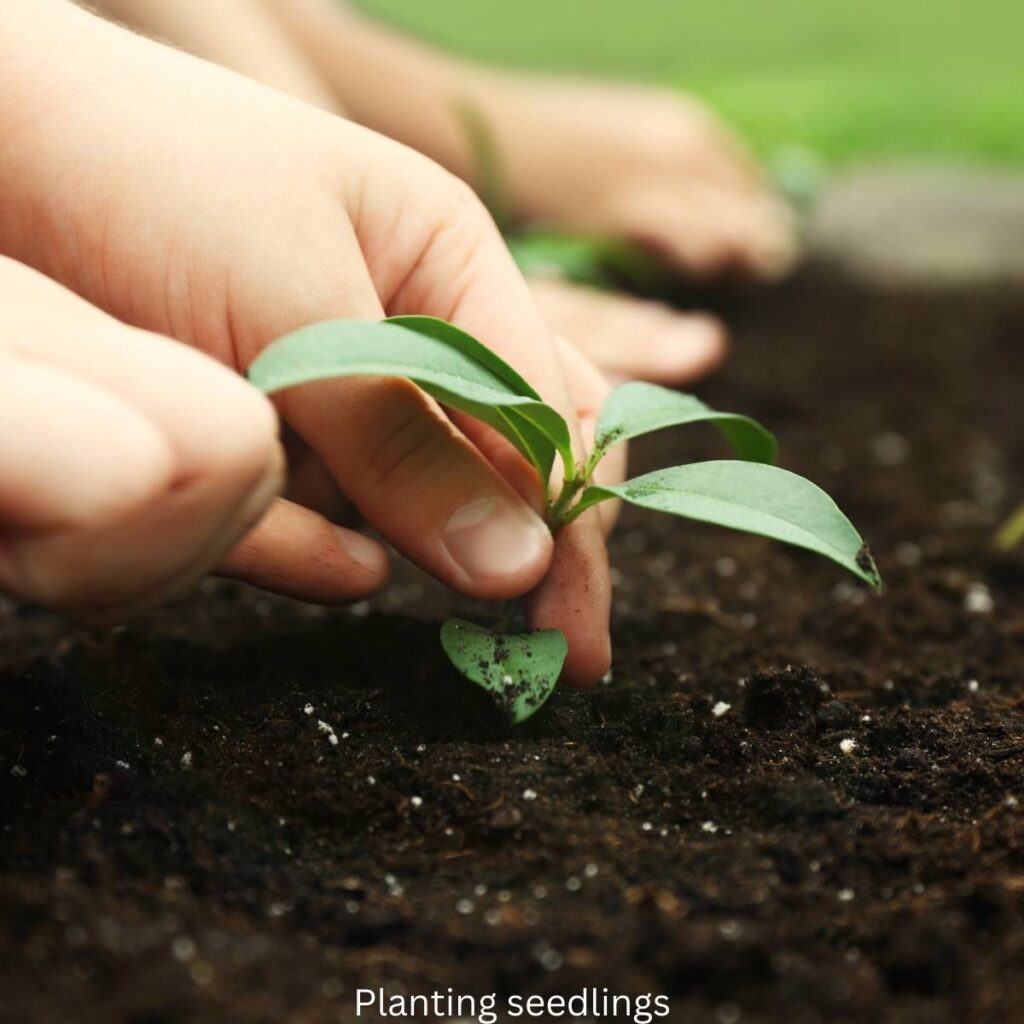
Starting with small amounts of garden space reduces overwhelm. Raised beds, container gardens, and vertical planters are perfect for small homesteads. Don’t worry about having a large garden or lots of land at first. Taking small steps helps build skills and confidence. Over time, you can expand your homestead as your space and time allow.
Grow Your Own Food—Even With Less Space
Maximize Your Garden Space with Vertical Gardening
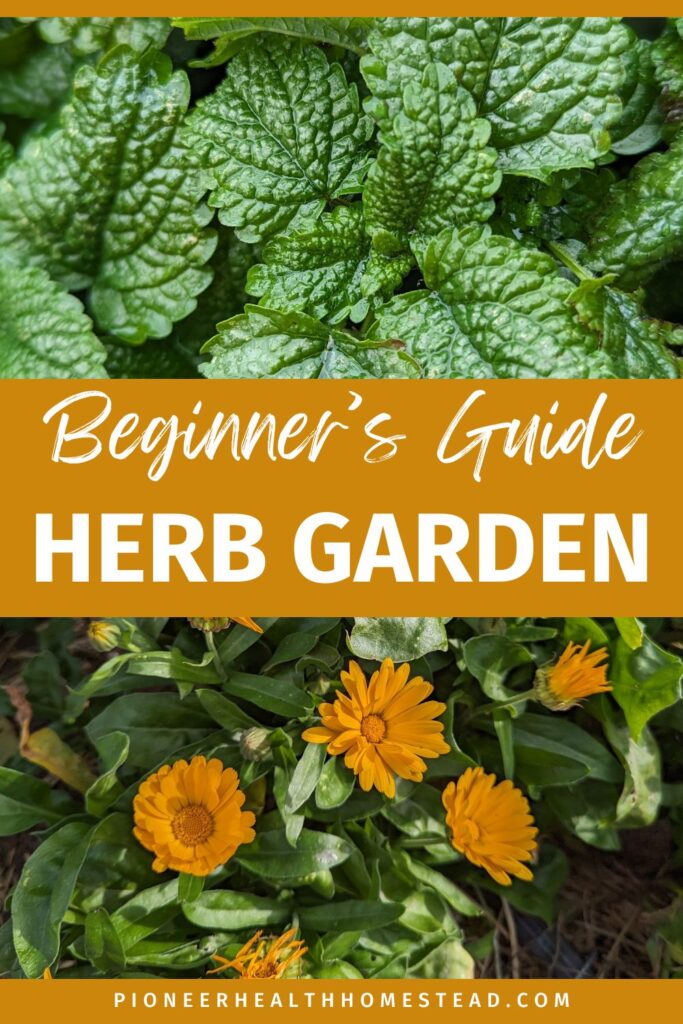
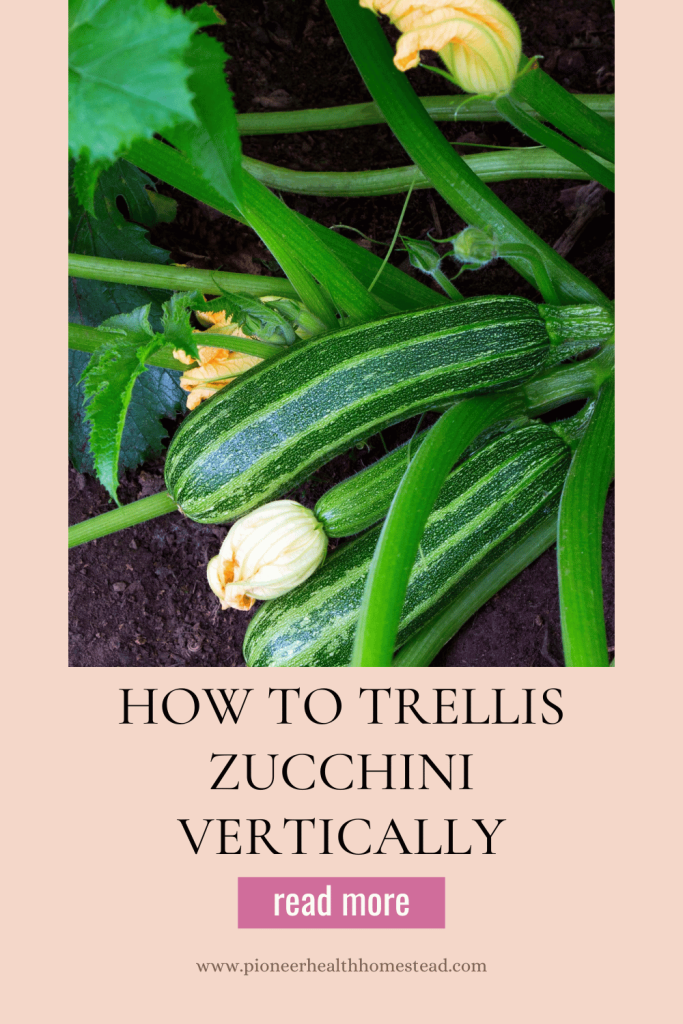
When you have limited space, vertical gardening becomes your best friend. Instead of spreading out, you grow up! Using wall-mounted planters or vertical planters lets you turn fences, walls, and even small balconies into productive garden spots. For example, you can hang pockets filled with soil and plant herbs like basil, mint, or medicinal herbs such as calendula and chamomile. Trellises are perfect for vining plants like peas, beans, or cucumbers, which can climb up instead of sprawling across the ground.
Vertical gardening is especially helpful for urban homesteading, where garden space is tight. If you have a tiny backyard or small area, this method allows you to grow a lot of food in a compact footprint. You’ll be surprised how much you can harvest when you use every inch of your garden beds efficiently.
Container Gardens and Raised Beds Work Wonders
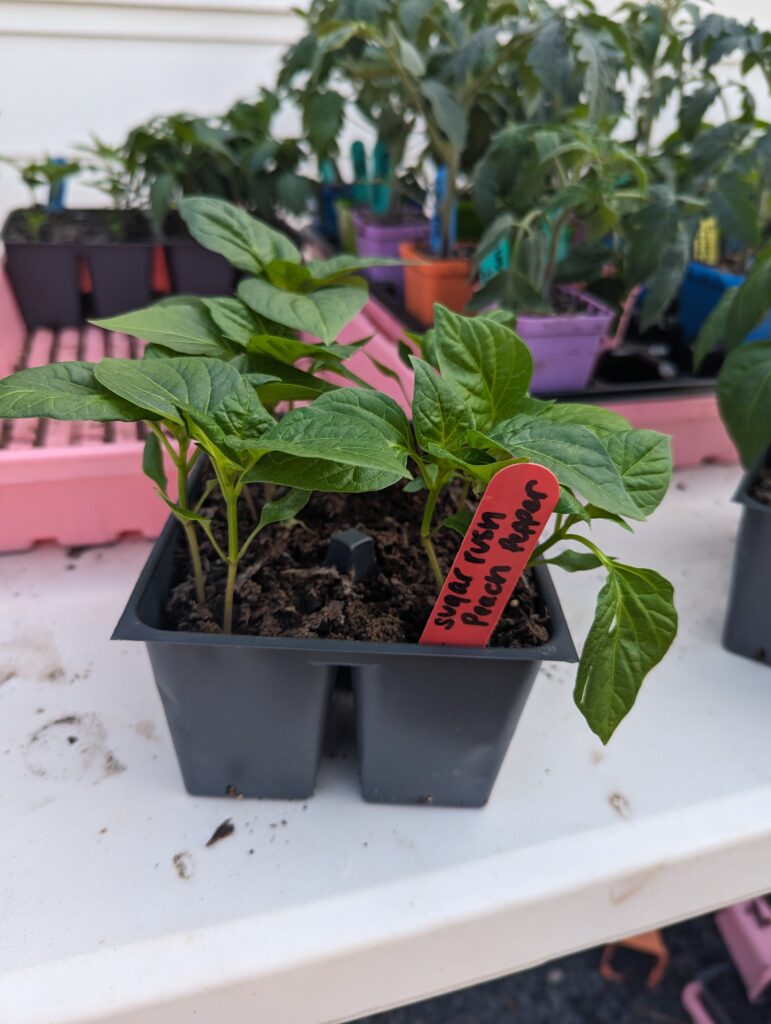
Container gardens and raised beds give you full control over your soil quality and drainage—something that’s very important in small homesteads or city limits where the soil may not be ideal. You can fill containers with rich, organic soil perfect for growing vegetables like cherry tomatoes, peppers, or leafy greens. Even small fruit trees, such as dwarf apple or fig trees, thrive in large pots or half-barrels.
Raised beds are another great option for limited space. They warm up faster in spring and drain well, which means a longer growing season. Plus, raised beds help keep your garden organized and accessible, especially if you have a tiny backyard or small property. With raised beds, you can try succession planting easily and make the best use of every square foot.
Use Succession Planting to Extend Your Growing Season
Succession planting is a smart way to keep your small garden producing fresh food all season long. Instead of planting all your seeds at once, you sow them in stages. For example, plant lettuce seeds every two weeks to enjoy continuous harvests instead of one large crop.
This approach works well in small garden spaces because you avoid overcrowding and make the most of your limited garden beds. You can start with quick-growing crops like radishes or spinach, then follow with longer-season crops such as beans or peppers. Succession planting helps spread out your harvests, so you always have fresh vegetables ready to pick—even in a tiny backyard or small area.
Focus on Crops That Thrive in Small Spaces
Choosing the right plants makes all the difference when you have less space. Leafy greens like kale, Swiss chard, and spinach grow quickly and don’t need much room. Root vegetables like carrots and radishes do well in containers or raised beds, and herbs like parsley, thyme, and rosemary add flavor and medicinal benefits.
Dwarf fruit trees and compact plant varieties are perfect for small homesteads. For instance, dwarf peach trees or compact blueberry bushes can fit nicely in pots or garden corners. Growing medicinal herbs such as echinacea or lemon balm not only supports your family’s health but also brings diversity to your garden.
Starting with these crops ensures a steady supply of fresh food while maximizing your limited garden space. Whether you have a tiny backyard, small apartment balcony, or a small homestead plot, these choices make growing your own food a successful and rewarding experience.
Starting Your First Container Garden and Vertical Planter
Choose the Right Containers and Location
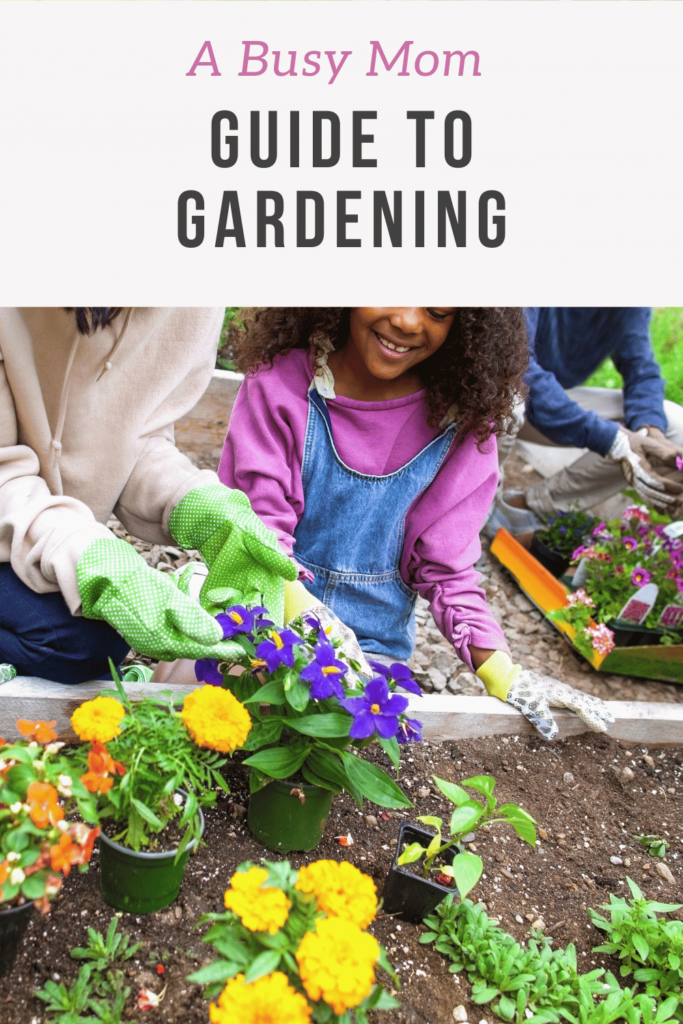
Starting a container garden is easier than you might think, even with limited space. Look for containers that have good drainage holes to prevent waterlogging. You can use anything from traditional pots and half-barrels to gallon buckets and recycled containers. Make sure the containers are large enough for the plants you want to grow—deep containers for root vegetables and wider ones for leafy greens or herbs.
Place your containers in the sunniest spots you have, whether that’s a small backyard, balcony, or even a windowsill inside your home. Most vegetables and herbs need at least 6 hours of sunlight a day. If sunlight is limited, choose shade-tolerant plants or supplement with grow lights.
Start Small and Build Your Garden Step by Step
Begin with easy-to-grow plants like lettuce, radishes, or herbs such as basil and parsley. These plants don’t require a lot of soil depth and grow quickly, making them perfect for your first small garden space. As you gain confidence, you can add more containers or experiment with larger crops like dwarf tomato plants or compact peppers.
Vertical Planters: Saving Space and Adding Interest
Wall-mounted planters and vertical towers are fantastic for tiny backyards or patios. You can buy ready-made vertical planter systems or create your own using materials like pallets, shoe organizers, or hanging pockets. Use these for herbs, strawberries, cherry tomatoes, or climbing peas.
Vertical planters keep plants off the ground, reducing pest problems and making harvesting easier. They’re also a great way to add greenery and food to balconies, small apartments, or any spot with limited garden space.
Raising Livestock on a Small Scale
Backyard Chickens: Fresh Eggs with Minimal Space
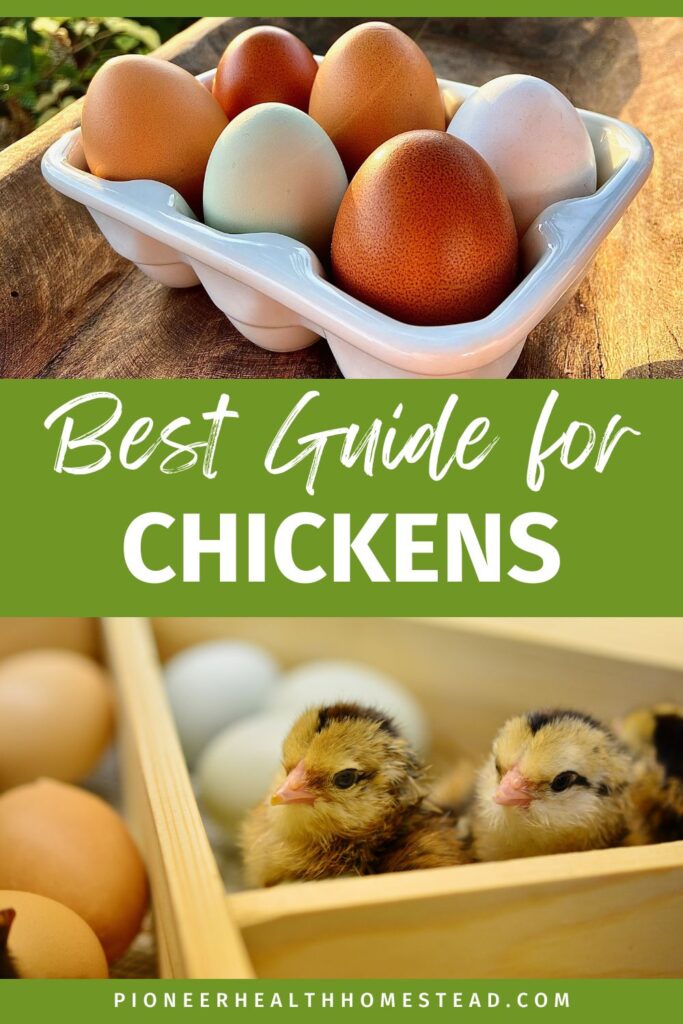
Backyard chickens are the best livestock option for small homesteads. They need surprisingly little space—usually about 2 to 3 square feet per bird inside a chicken coop. Even a tiny backyard or small property can support a small flock of 3 to 6 chickens, enough to provide fresh eggs for a family.
Chickens also help with compost by eating kitchen scraps and pests. A simple chicken coop can be built or bought, and it protects them from predators and the weather. Chicken feed is affordable, and caring for chickens teaches kids responsibility and connects the whole family to food sources.
Raising Meat Chickens and Other Small Animals
For those with a little more space, meat chickens can be raised in a small chicken coop or a portable chicken tractor in the yard. They grow quickly and provide fresh meat in small amounts, perfect for a family looking to eat locally and self-sufficiently.
Rabbits are another option for small-scale meat production. They require less space than larger animals and are quiet neighbors in urban areas. Both meat chickens and rabbits need regular care, clean housing, and fresh food and water.
Dairy Animals: Goats for Limited Space
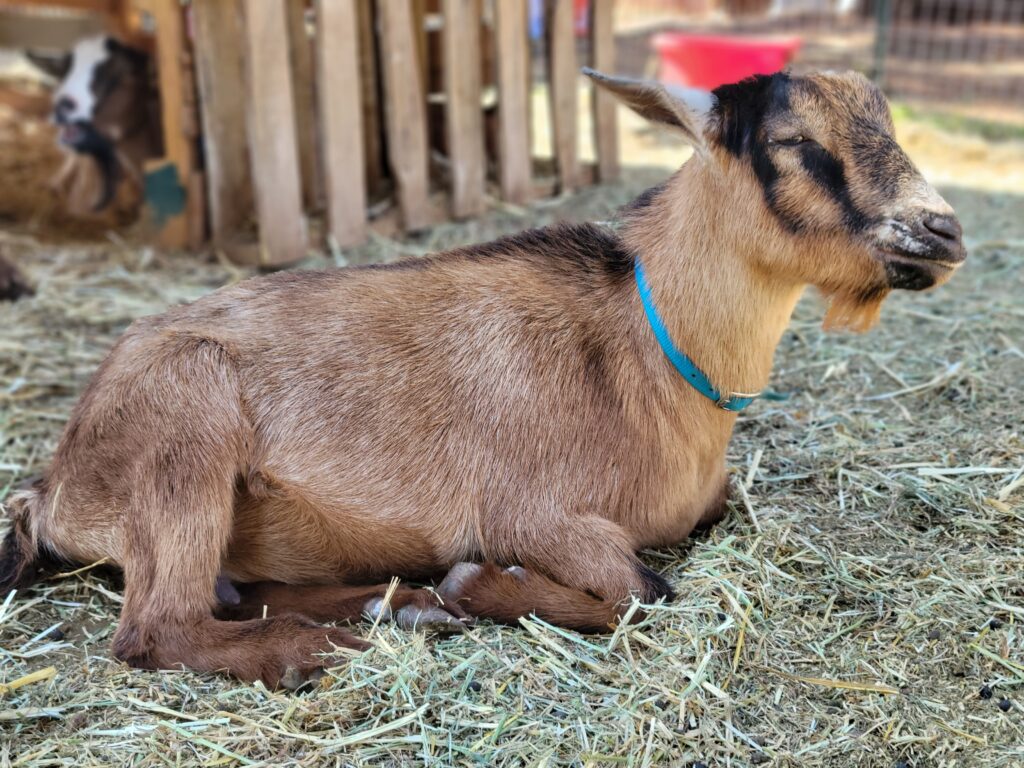
While a dairy cow usually needs a large property, some small homesteaders keep goats for fresh milk, cheese, and yogurt. Goats are friendly, adaptable, and require less space—often just a small fenced area and a sturdy shelter.
If you’re considering goats, research local zoning laws, as urban areas often have restrictions. Goats need high-quality feed and care but can be a rewarding part of a small homestead focused on dairy products.
Planning for Livestock Care and Space
No matter the animal, planning for enough space and proper care is key. Chickens need a secure coop, fresh water, and good chicken feed. Meat animals require safe housing and space to move. Adding a compost bin nearby helps recycle waste into garden soil.
Raising livestock on a small scale takes hard work but provides great benefits like fresh eggs, meat, and dairy products. It’s a wonderful way to enhance your homesteading lifestyle without needing acres of land.
Water, Waste, and Soil: Smart Systems for Small Space Homesteads
Collect Rainwater with Rain Barrels and Gallon Buckets
Water is essential for any garden, but it can be challenging in urban areas with limited space. Rain barrels are a great way to collect water from your roof and store it for garden use. Even if you only have a tiny backyard or small property, a rain barrel or several gallon buckets placed strategically can provide enough water to keep your garden beds thriving.
Using collected rainwater not only saves money but also reduces your environmental footprint. It’s one of the best ways to create a self-sufficient lifestyle in a small space homestead.
Compost Bins Turn Kitchen Scraps Into Garden Gold
A compost bin is a must-have for anyone serious about growing their own food, especially in a small homestead. Composting kitchen scraps, like vegetable peelings and coffee grounds, helps create rich soil that improves garden beds and container gardens.
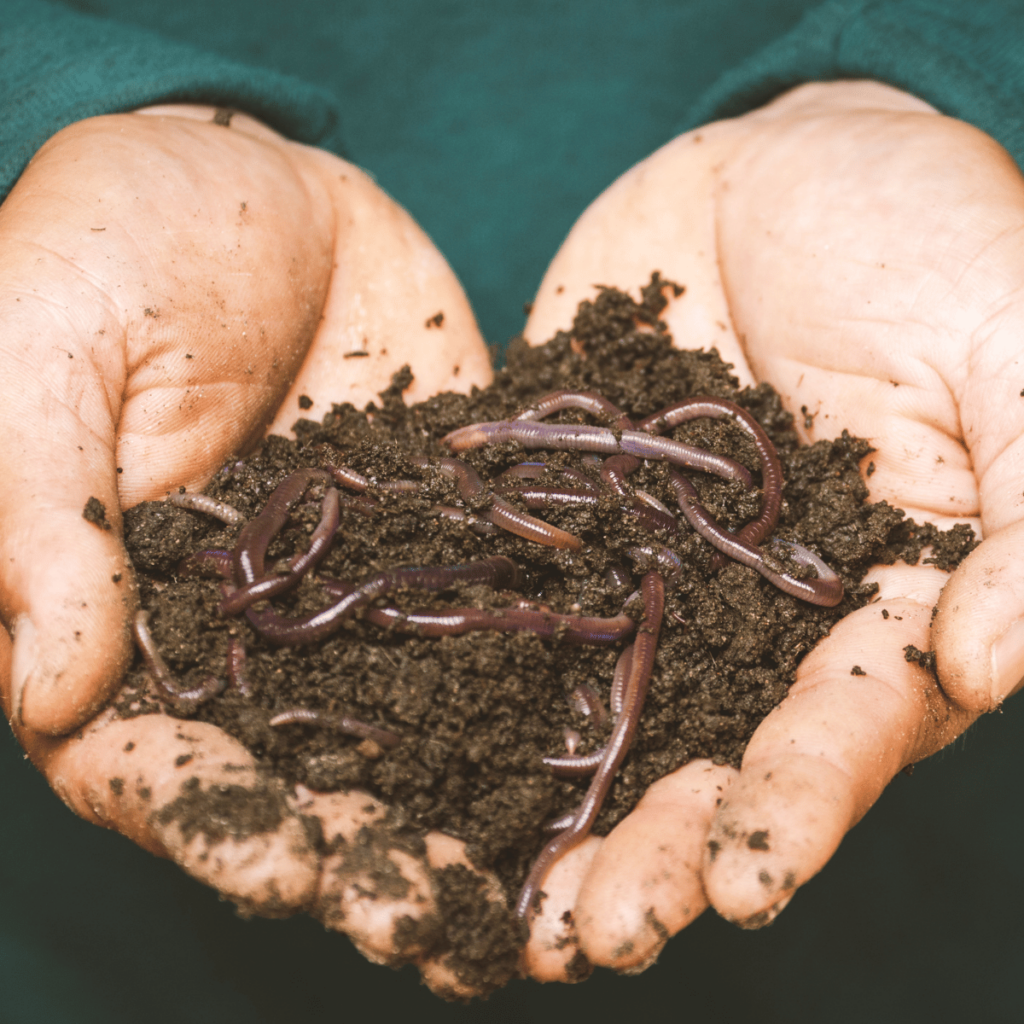
If space is tight, consider a small compost bin or worm composting system (vermiculture). This keeps your garden healthy and reduces waste sent to the landfill—a great idea for urban homesteaders.
Improve Your Soil With Testing and Amendments
Before planting, a soil test can tell you what your garden beds need to grow well. Even in a small area or raised bed, good soil is the foundation of a successful vegetable garden.
Adding organic matter, like homemade compost or aged manure, improves soil structure and fertility. Healthy soil means healthier plants and better harvests of fruit trees, herbs, and vegetables.
Use Cold Frames and Root Cellars for Extended Harvests
Cold frames are simple, small structures that protect plants from early frosts and extend the growing season. They’re perfect for small homesteads looking to get the most from their limited garden space.
Root cellars, or even cool storage boxes, allow you to store root vegetables, apples, and other harvests for months. This way, your small-scale garden can provide food long after the growing season ends.

Food Preservation: Making the Most of Your Small Harvest
Drying, Fermenting, and Freezing Small Amounts
Preserving food is key to a self-sufficient lifestyle, especially when you’re working with a small garden space. Drying herbs like medicinal herbs or vegetables is simple and doesn’t require much room. You can hang bundles in your kitchen or use a dehydrator.
Fermenting vegetables like cabbage into sauerkraut or cucumbers into pickles is a great way to preserve large quantities of food without a lot of space. Fermentation also boosts your family’s gut health.
Freezing small amounts of fresh produce extends your harvest and saves money. Even in a small apartment or tiny backyard homestead, a freezer is an important tool for food preservation.

Making Homemade Pantry Staples
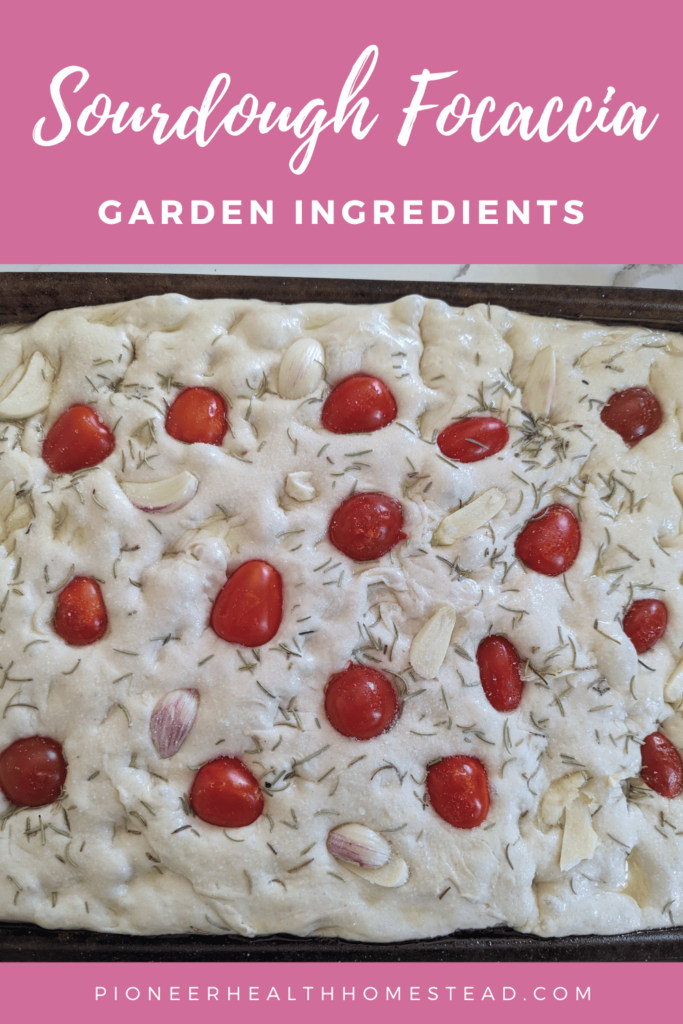
Sourdough bread, homemade dairy products like yogurt or cheese, and canned jams are wonderful ways to use your garden harvest. These staples add variety and nutrition to your family’s meals and reduce trips to the grocery store.
Root Cellars and Cold Storage for Long-Term Preservation
For families with a little extra space, root cellars or cool storage areas keep food fresh through the winter. Root vegetables, apples, and squash store well in these conditions, helping you enjoy your garden’s bounty year-round.
Where to Source What You Can’t Grow
Support Local Farmers and Farmers’ Markets
Even the best small space homestead can’t grow everything your family needs. That’s why connecting with local farmers and farmers’ markets is a great way to fill in the gaps. Farmers’ markets often offer fresh, organic produce that complements your own garden harvest. Plus, supporting local farmers builds community and strengthens the local food system.
If you don’t have much land or garden space, buying seasonal produce from local farmers is a smart and sustainable choice. It’s a great way to enjoy fresh food and reduce your reliance on the grocery store.
Join a CSA or Food Co-op for Regular Fresh Food
Community Supported Agriculture (CSA) programs or food co-ops are excellent options for urban homesteaders or those with limited space. With a CSA, you subscribe to receive weekly or monthly shares of fresh produce from a local farm. This helps farmers plan their crops and gives you a steady supply of local food.
Co-ops often work like bulk-buying clubs where members share in purchasing large quantities of food and split it into smaller amounts. These options are ideal for small homesteads wanting to eat well without needing a large garden.
Trading and Sharing With Neighbors
Building relationships with neighbors who garden or raise chickens is another wonderful part of the homesteading lifestyle. You can trade fresh eggs for herbs, share excess produce, or help each other with gardening tasks. This sense of community makes small scale homesteading feel more rewarding and sustainable.

Designing Your First Small Space Homestead
Plan Your Space Thoughtfully
Designing a small space homestead starts with a simple layout. Think about zones: where your garden beds will go, space for containers and vertical planters, and room for any livestock like backyard chickens. Even a tiny backyard can be organized to maximize productivity.
Paths between garden beds help keep your space tidy and accessible. Raised beds or garden boxes help define your growing areas and make soil management easier. Remember, having a well-planned small property reduces hard work and saves time in the long run.
Focus on the Most Important Things First
For first-time homesteaders, prioritizing is key. Start with the garden beds or containers where you’ll grow your staple crops—leafy greens, herbs, and quick-growing vegetables. Add backyard chickens if you have enough room and time to care for them.
Don’t worry about trying to do everything at once. Taking small steps allows you to build skills and confidence. This gradual approach is the best way to avoid burnout and enjoy your homesteading journey.
Embrace Different Paths and Keep Learning
Every homestead looks different. Some focus on gardening, others on raising chickens or preserving food. Your homesteading journey is unique to your space, goals, and family needs.
Be open to trying different approaches and adjusting as you go. It’s perfectly fine to have a smaller scale homestead that still produces a lot of food and brings great joy. The key is to keep learning and growing with your space.

Homeschooling and Homesteading: Learning Together in Small Spaces
A Small Space Homestead Is a Great Place to Teach Life Skills
One of the best things about a small homestead is how well it pairs with homeschooling. Growing your own food and caring for backyard chickens create hands-on lessons that kids remember. Whether you’re planting seeds in garden beds or harvesting herbs, every step teaches responsibility, science, and patience.
Involve Kids in Gardening and Food Preservation
Even in a tiny backyard, children can help with planting, watering, and harvesting. Container gardens and vertical planters make it easy for little hands to reach and care for plants. Succession planting and harvesting small amounts regularly provide ongoing opportunities for learning.
Food preservation activities like drying herbs or making sauerkraut introduce science in a fun, practical way. These tasks also build confidence and pride as kids see their efforts turn into real food for the family.
Teach Herbalism and Natural Health at Home
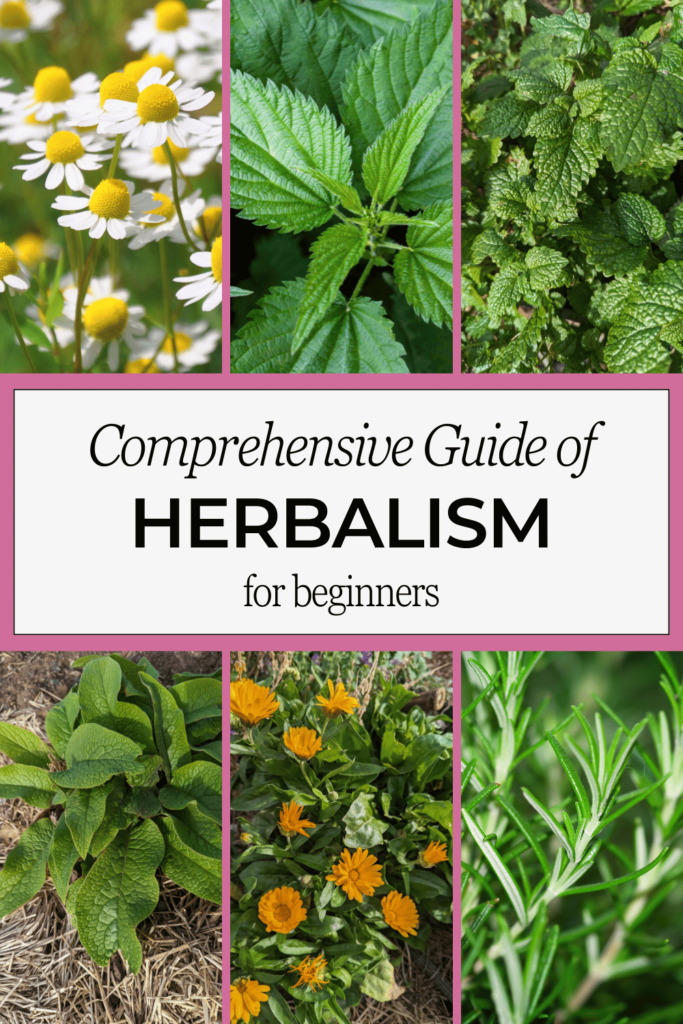
Growing medicinal herbs in your small homestead offers a unique chance to teach natural health remedies. Kids can learn how plants like chamomile, echinacea, or lemon balm support wellness. Using fresh herbs to make teas, salves, or tinctures connects your homesteading lifestyle with practical, everyday health care.
Small Steps Lead to Big Lessons
Even with limited space, you can create a rich learning environment at home. This lifestyle helps children understand where their food comes from and the importance of sustainability. It’s a great idea for families wanting to combine education with hands-on homesteading skills.
Follow Along on My YouTube Channel for More Small Space Homestead Tips
If you’re excited to see these small space homestead ideas in action, I invite you to follow along on my YouTube channel. I share easy-to-follow videos on container gardening, vertical planters, backyard chickens, food preservation, and herbal remedies—all designed for beginners with limited space.
Watching the process firsthand can make it easier to start your own homestead, especially if you’re juggling homeschooling, family life, and a busy schedule. Plus, you’ll get to see real-life examples from my own small backyard homestead and hear honest tips from a mom of five and a Registered Nurse.
Check out my latest videos, subscribe, and join our growing community of homesteaders living the self-sufficient lifestyle in small spaces. I’d love to hear your questions and ideas in the comments, too!
Conclusion: Your Small Space Homestead Is the Perfect Place to Begin
Starting a small space homestead is one of the best things you can do for your family’s health and independence. You don’t need acres of land or lots of time—just a little bit of space and the right mindset.
By growing your own food, raising backyard chickens, and learning food preservation, you’re building a self-sufficient lifestyle right within city limits or even in a small apartment. Using vertical gardening, container gardens, and succession planting helps you make the most of limited garden space.
Remember, the most important things are to start small, be patient, and enjoy the process. Your homesteading journey is unique, and every small step brings great things. Whether you’re homeschooling children, experimenting with medicinal herbs, or connecting with local farmers, this lifestyle is a great way to nurture your family and the earth.
If you’re ready to begin, share your small space homestead ideas or questions in the comments below. Together, we can grow more than just food—we can grow community and resilience, no matter how much space we have.
-
Easy Herbal Conditioner Bar Recipe with Chamomile & Calendula
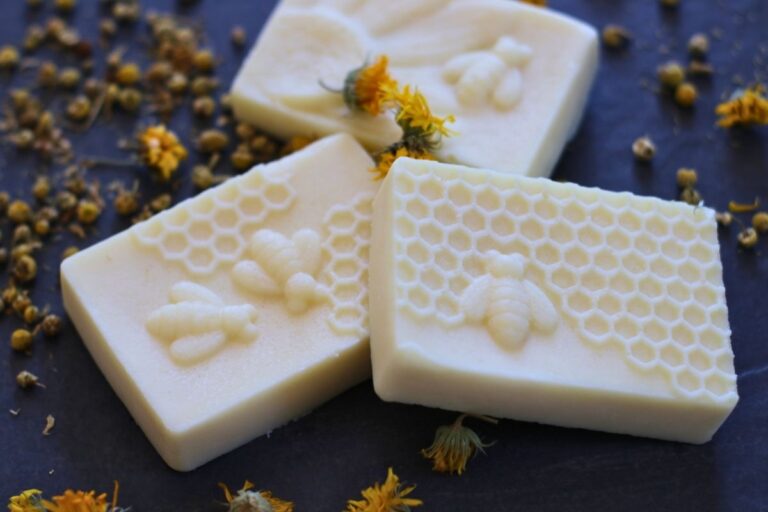
Easy Herbal Conditioner Bar Recipe with Chamomile & Calendula This herbal conditioner bar recipe combines nourishing oils, cocoa butter, BTMS-50, and vitamin B5 for soft, manageable hair. It also features chamomile-infused coconut oil and calendula-infused olive oil for a special herbal touch. Unlike traditional bottled conditioner, solid conditioner bars are highly concentrated and require very…
-
The Best DIY Honey Foaming Face Wash | Glowing, Healthy Skin
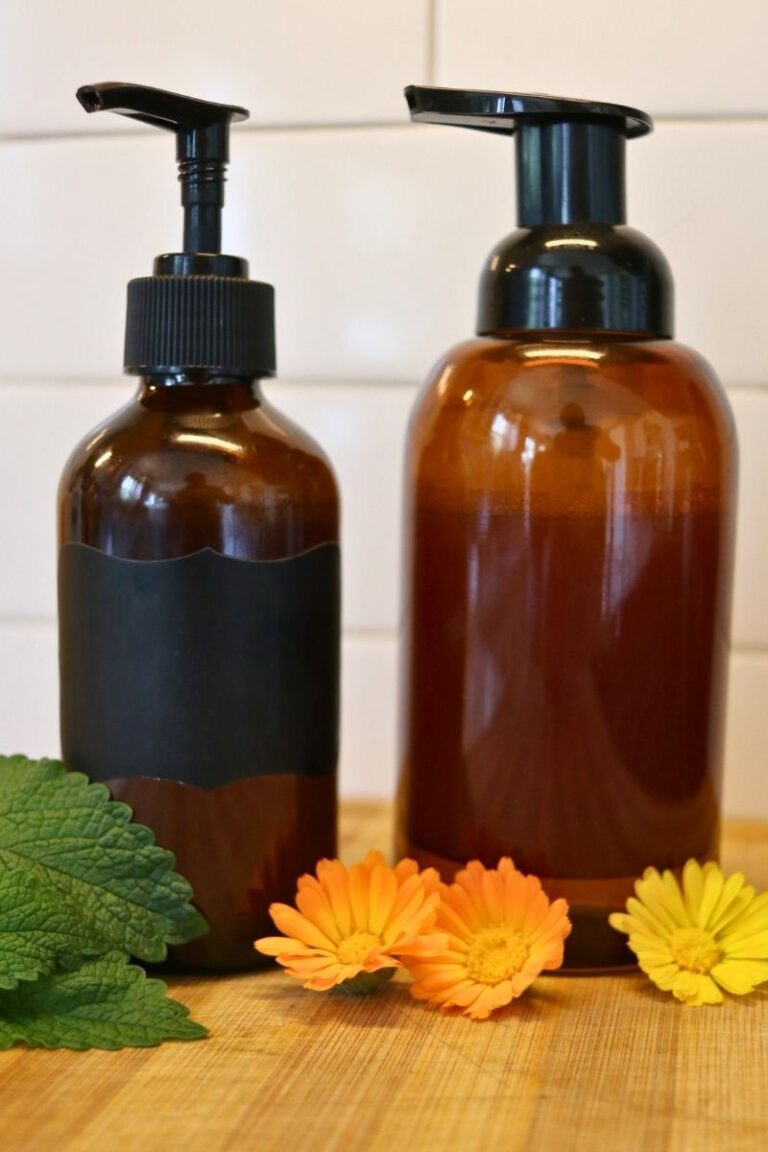
The Best DIY Honey Foaming Face Wash for Glowing, Healthy Skin A Simple, Gentle Daily Cleanser You Can Feel Good About I have tried many cleansers over the years, both as a nurse and a busy mom. However, I kept coming back to simple, nourishing ingredients. This honey foaming face wash has become a favorite…
-
Simple Gentle Liver Detox Tea Recipe (Natural & Nourishing)
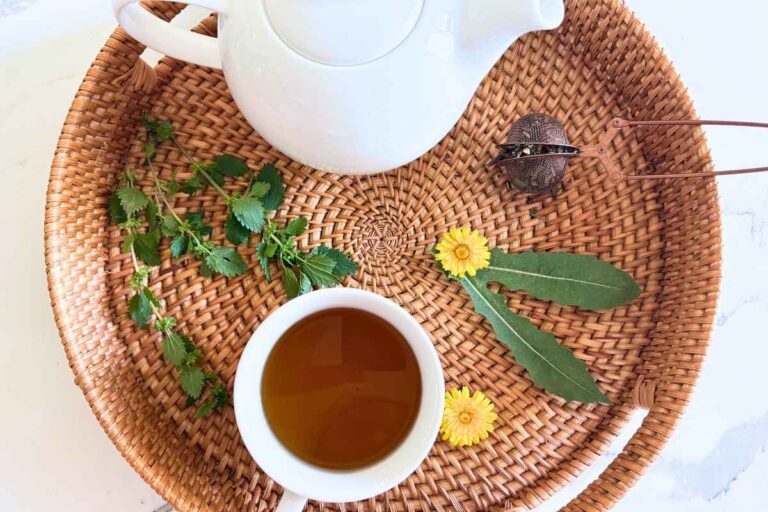
Gentle Liver Detox Tea Recipe (Natural and Nourishing) A Simple Way to Support Your Body Naturally As the seasons begin to shift, I often notice my body asking for a slower, gentler reset. After months of heavier foods and busy days, everything can start to feel a little sluggish. Instead of turning to harsh detoxes,…
-
Easy Apple Cinnamon Baked Oatmeal Recipe
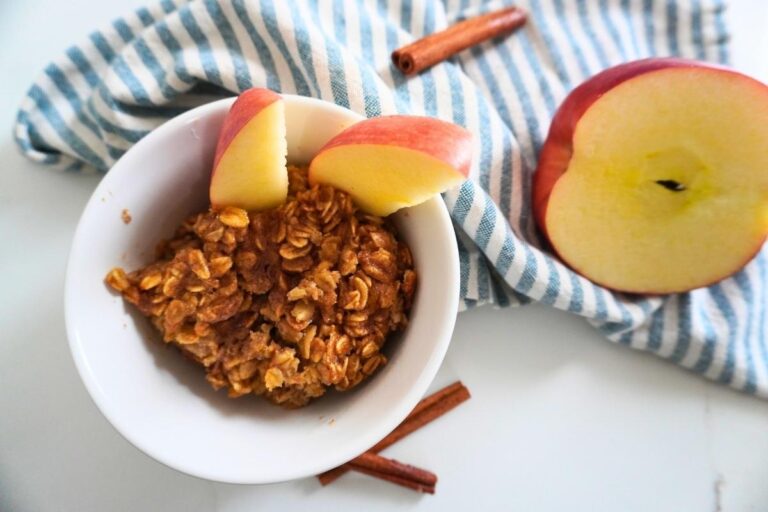
Apple Cinnamon Baked Oatmeal Recipe This apple cinnamon baked oatmeal recipe is one of those breakfasts that brings calm to busy mornings. I started making baked oatmeal when I needed something nourishing that could feed my family without extra work. This recipe comes together quickly, uses simple pantry staples, and bakes while the rest of…
-
Herbal Calendula and Chamomile Sugar Scrub
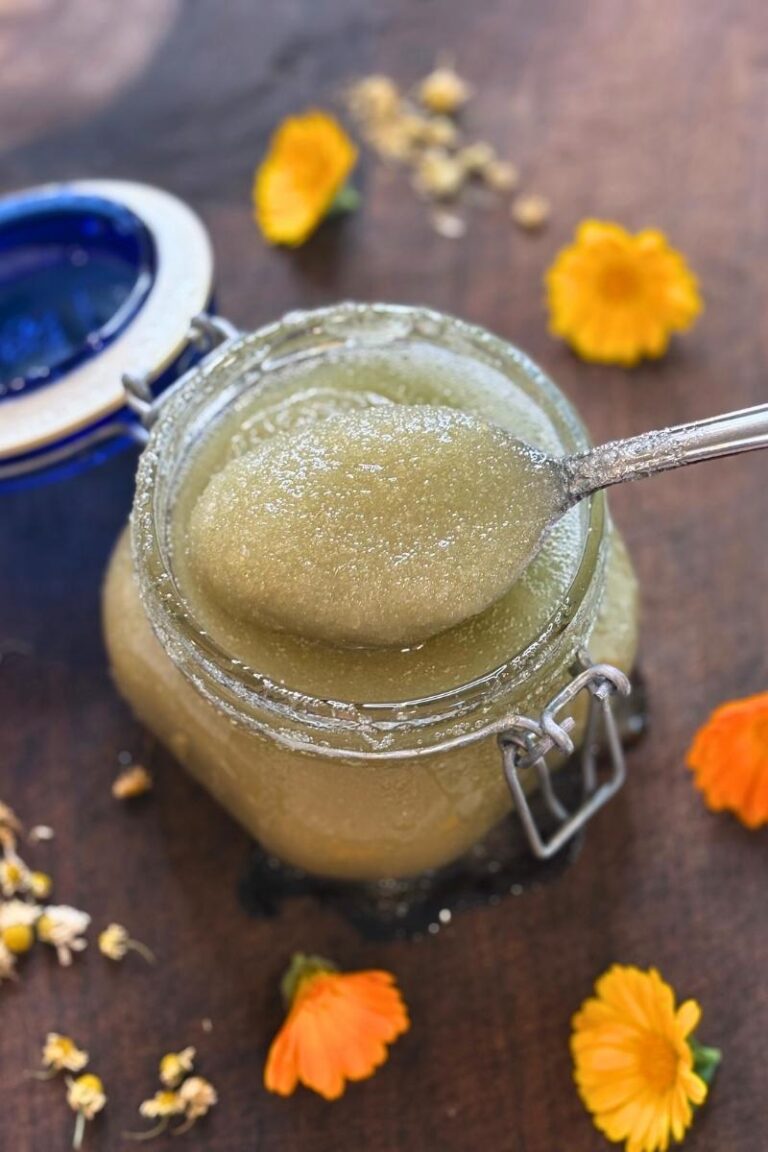
Herbal Calendula and Chamomile Sugar Scrub There is something deeply satisfying about making simple body care products with herbs you already know and trust. Over time, I’ve learned that our skin responds best to gentle, nourishing ingredients, especially when they come straight from the apothecary shelf or pantry. This calendula chamomile sugar scrub is one…
-
Apple Mint and Lemon Balm Calm Tea
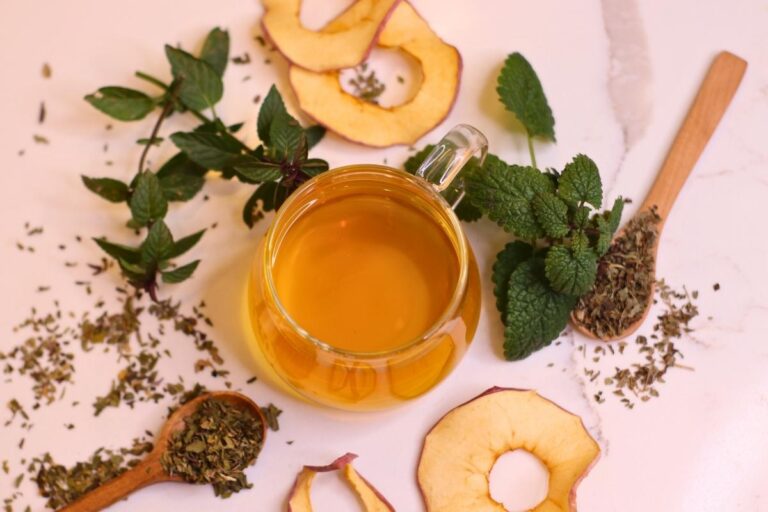
Apple Mint and Lemon Balm Calm Tea A Gentle, Comforting Blend for Stressful Days When the day feels a little too loud, or your mind just won’t slow down, apple mint and lemon balm calm tea is one of my favorite ways to create a pocket of peace. As a mom of five and an…