Late Summer Planting Guide
Late summer planting guide: 25 vegetables for a fall harvest is the perfect time to extend your growing season. While many vegetable gardeners think the summer garden is ending in late July or early August, this is actually the best time of year to plant again. With the right cool-season crops, careful attention to planting dates, and simple tools like row covers or cold frames, home gardens can continue producing fresh vegetables well into early fall and even after a light frost.
Late summer planting is an excellent time to establish a second crop, refresh your soil with organic matter, and enjoy cool-weather crops that thrive as average temperatures begin to drop. With succession planting, container gardens, and starter plants, even small spaces can deliver a successful garden and a rewarding fall harvest.

Why Late Summer Planting Works
Warm Soil Temperatures Help New Plants
Late summer planting is successful because soil temperatures are still warm from the summer heat, which helps seeds germinate quickly. This is the perfect time of year to direct sow leafy greens, root vegetables, and other cool-season crops. With steady watering, about an inch of water each week, the soil surface stays moist for baby plants. Warm soil creates a strong start before cooler days arrive in early fall.
Cool-Season Crops Love Shorter Days
Cool-season vegetables thrive as daylight hours shorten and average temperatures drop. Crops like spinach, swiss chard, and kale grow stronger in cool weather and are less likely to bolt compared to spring planting. This makes late summer planting a great time to establish a fall garden full of fast-growing leafy green plants. When managed carefully, these crops provide excellent results all the way into late fall.
Light Frost Improves Flavor
Many cool-weather crops, including carrots, cabbage, and brussels sprouts, actually become sweeter after exposure to a light frost. Instead of harming tender plants, cooler nights improve flavor and texture in hardy vegetables. Fall planting gives you a chance to enjoy a second crop that tastes better than early spring crops. This makes late summer planting a good time to grow vegetables you plan to harvest late in the season.
Pests Decline in Late Summer
Another reason late summer planting is effective is the natural decline in pests after the heat of summer passes. Many insects are less active as days shorten, giving vegetable plants a chance to grow without heavy damage. Using a row cover or cold frames adds even more protection for new plants in home gardens. With less pressure from pests, cool-season crops can thrive until your average first frost date.
Save for Later!

A Great Time for a Second Crop
Late summer planting is an excellent time to add organic matter to your garden beds and refresh the soil surface. After harvesting warm-season crops like tomatoes or beans, the open space is perfect for a second crop of cool-weather vegetables. This rotation improves soil health and keeps home gardens productive through late fall. With succession planting, you can even stagger planting dates to enjoy fresh vegetables for weeks to come.
Planning Your Fall Garden
Know Your Frost Dates
The most important step in late summer planting is knowing your average first frost date. Every region has different frost dates, and vegetable gardeners should use the U.S. Department of Agriculture hardiness map as a good starting point. Once you know your frost dates, you can count backward using seed packets to make sure crops will mature before cold weather sets in. This helps you avoid planting dates that leave vegetable plants unfinished at the end of the season.
Read the Seed Packet Carefully
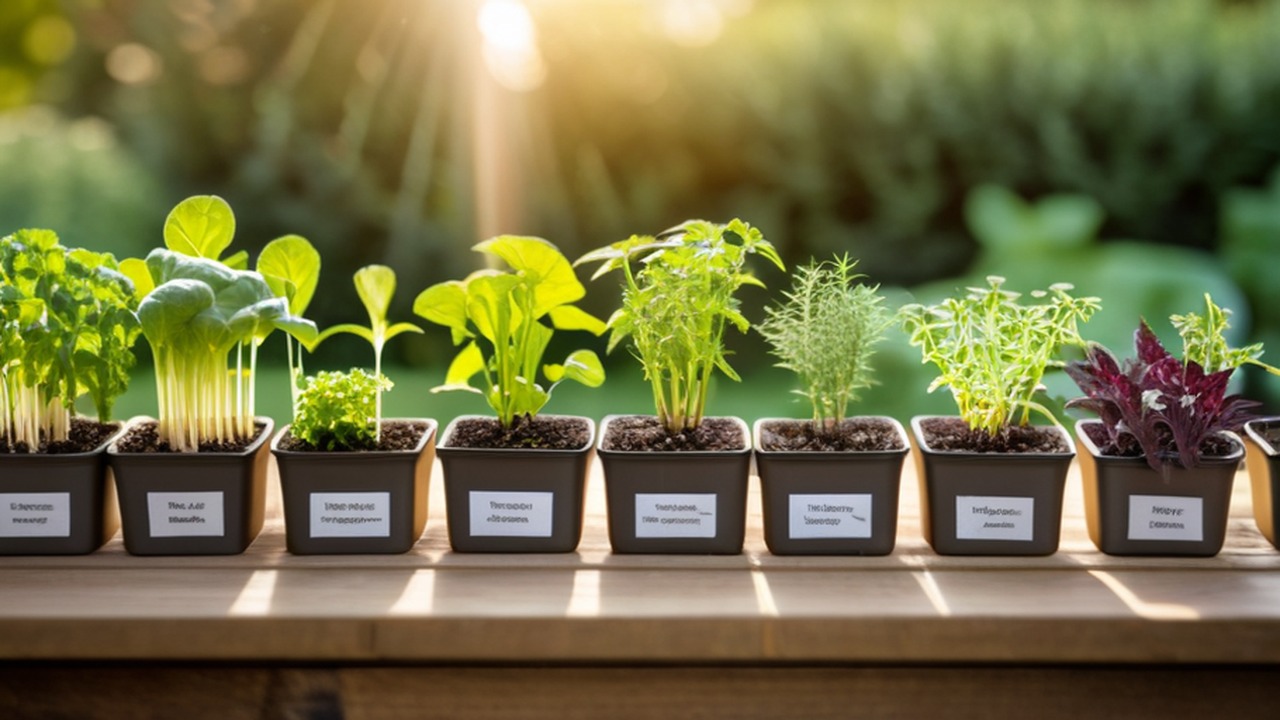
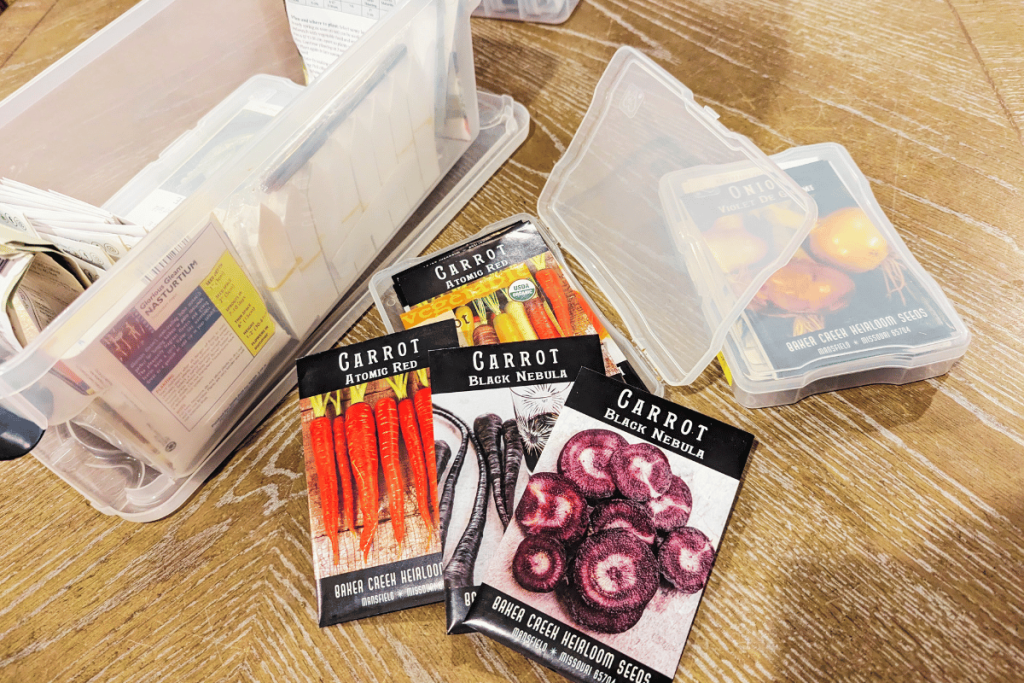
For best results in fall planting, always check the seed packet for the crop’s days to maturity. Leafy greens and fast-growing root crops often need only 30 to 50 days, making them excellent for late summer planting. Slower-growing crops like brussels sprouts or Chinese cabbage should be started early or transplanted as starter plants. Following seed packet directions ensures you get a successful garden and a reliable fall harvest.
Watch Soil Temperatures
Soil temperatures play a big role in the success of late summer planting. During the heat of summer, seeds may dry out quickly, so it is important to keep the soil surface evenly moist. Planting in the late afternoon gives baby plants a break from direct sun and allows cooler nights to support germination. In sandy soils or raised beds, warm soil helps root crops like carrots and beets establish quickly.
Use Helpful Tools for Fall Planting
Row covers and cold frames are simple tools that extend your growing season in home gardens. A row cover protects tender plants from insects, late summer heat, and even a light frost. Cold frames are excellent for cool-weather crops that can continue growing into early winter. These tools give vegetable gardeners a little help in keeping new plants safe while ensuring a steady fall vegetable garden.
Refresh the Soil with Organic Matter
Late summer is the perfect time to rebuild soil health for a fall garden. Adding compost or aged manure provides organic matter that supports strong growth in cool-season vegetables. Crop rotation also prevents soil depletion and gives new plants the nutrients they need for the best results. By improving the soil surface now, you prepare your home garden for both a fall harvest and next year’s spring planting.

25 Vegetables to Plant in Late Summer
Leafy Greens for Quick Harvests
Leaf Lettuce
Leaf lettuce grows quickly and thrives when planted in late summer. Sow directly in the soil surface for best germination. These cool-season crops prefer cooler average temperatures and light frost, giving home gardens tender leaves for early fall salads.
Spinach
Spinach is a fast-growing leafy green that loves cooler soil temperatures. Plant in late July or early August to enjoy fresh vegetables before your average first frost date. Row covers can protect baby plants from pests and the heat of summer.

Kale
Kale is one of the hardiest leafy greens, perfect for late summer planting. It grows well into late fall and improves in flavor after a light frost. Planting dates in early August allow succession planting for continuous harvests.
Swiss Chard
Swiss chard tolerates the late summer heat and grows well into cool weather. Sow seeds directly or transplant starter plants for best results. These cool-season vegetables provide tender leaves for sautéing or salads.
Chinese Cabbage
Chinese cabbage thrives in cooler temperatures and is perfect for late summer planting. It matures quickly for an early fall harvest and does well in both raised beds and container gardens. Light frost can improve flavor and texture.
Brassicas for a Fall Garden
Broccoli
Broccoli is a cool-season crop that prefers late summer planting for an early fall harvest. Starter plants grow quickly in soil enriched with organic matter. Protect young plants with row covers to reduce pest damage and heat stress.
Cauliflower
Cauliflower requires slightly cooler temperatures but grows well in late summer when transplanted carefully. Plant in peat pots or starter plants for the best time to harvest before early frost. Cold frames can help extend your season.

Brussels Sprouts
Brussels sprouts need a long growing season, making late summer planting ideal in regions with short growing seasons. They become sweeter after a light frost and thrive in well-fertilized soil. Use row covers to protect tender plants in early fall.
Cabbage
Cabbage is a hardy vegetable perfect for fall planting. Transplant starter plants in late July or early August for harvest in early fall. Crop rotation ensures soil stays healthy for future planting.

Kohlrabi
Kohlrabi grows quickly and produces tender bulbs in cool weather. Late summer planting allows harvest before average first frost dates. These hardy vegetables do well in container gardens or raised beds.
Collard Greens
Collards thrive in cool weather and produce fresh vegetables through late fall. Planting in late summer ensures a strong harvest before cold weather arrives. Row covers help protect tender plants and extend the season.
Root Crops for Late Summer Planting
Carrots
Carrots are classic root vegetables that thrive in cooler soil temperatures. Sow seeds directly and keep the soil moist for the best germination. Light frost improves the sweetness and makes them ideal for a late fall harvest.
Beets
Beets grow quickly and provide both edible greens and roots. Plant in late summer for a fall harvest. Succession planting ensures continuous fresh vegetables into early winter.
Turnips
Turnips tolerate cool weather well and grow quickly when planted in late summer. Sow seeds in fertile soil and thin seedlings to allow proper root development. Light frost enhances their flavor.

Rutabagas
Rutabagas require a longer growing season but benefit from late summer planting. These hardy vegetables store well into early winter. Protect young plants with row covers to ensure successful growth.
Radishes
Radishes are fast-growing and perfect for succession planting in late summer. They mature in as little as three weeks, providing fresh vegetables quickly. Plant multiple rounds for a continuous harvest.
Parsnips
Parsnips are hardy root crops that do best when sown in late summer. They develop sweet flavors after cool nights. Plant in deep, loose soil for straight, tender roots.
Beans and Warm-Weather Holdouts
Bush Beans
Bush beans can still be planted in late summer for a second crop. They thrive in warm soil and provide fresh vegetables quickly. Succession planting ensures continuous harvests until the average frost dates.
Snap Beans
Snap beans are fast-growing and ideal for late summer planting. Sow seeds directly and water consistently. They perform well in home gardens, raised beds, or container gardens.

Lima Beans
Lima beans need warm weather, but can be planted in late summer if soil temperatures are steady. Provide full sun and adequate water for best results. These tender plants are great for a second crop in your vegetable garden.
Hot Peppers
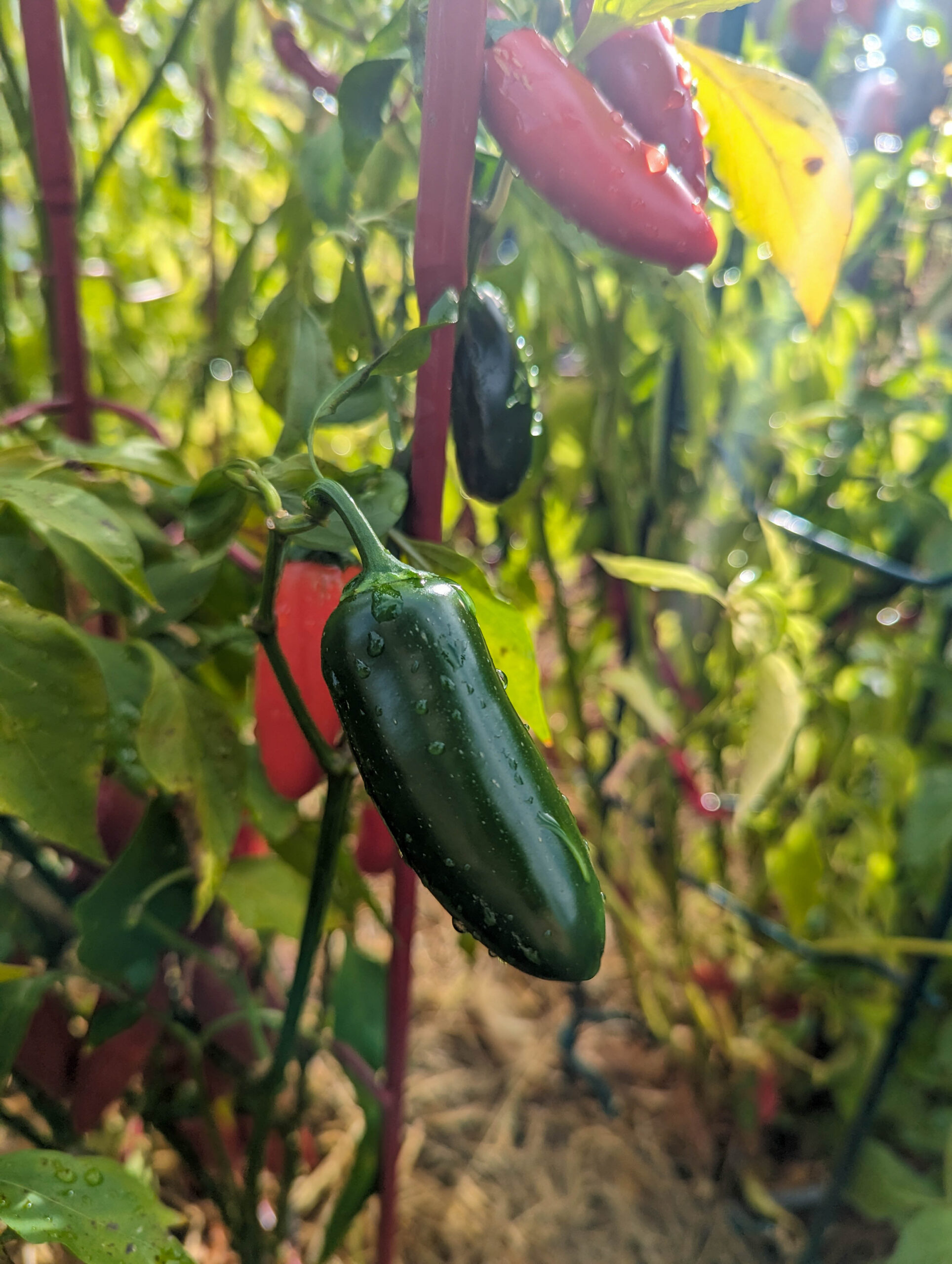
Hot peppers are warm-season crops that can still produce when planted in late summer. Use starter plants for quicker harvests. They benefit from soil enriched with organic matter and consistent watering.
Herbs for Cool-Season Growth
Cilantro
Cilantro thrives in cooler soil temperatures and grows well in late summer planting. Sow seeds directly or use starter plants. This herb adds flavor to salads, salsas, and fresh vegetable dishes.

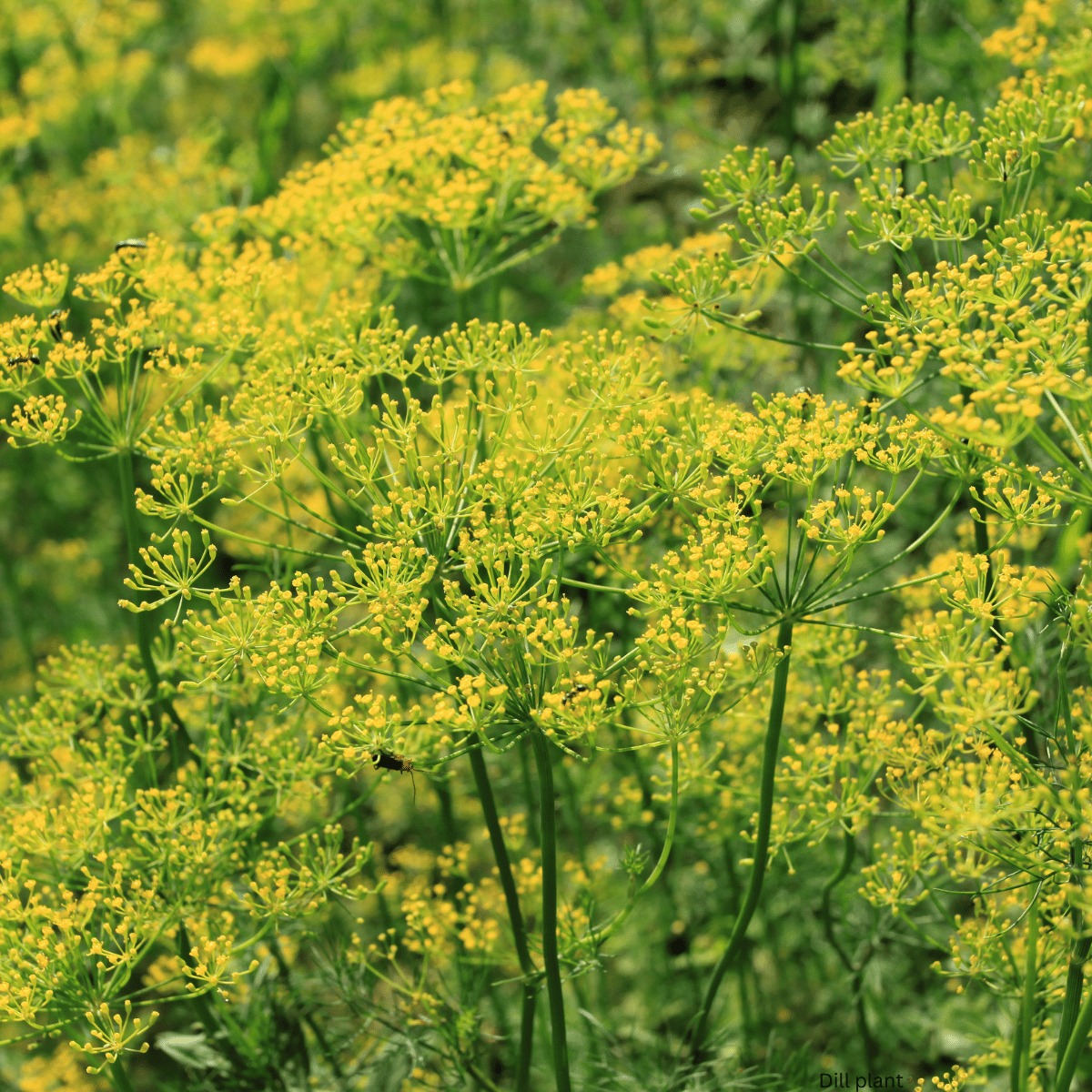
Dill
Dill grows quickly and prefers cool weather, making late summer planting ideal. Sow in succession to provide a continuous harvest. Container gardens are a great option for small spaces.

Parsley
Parsley performs well in late summer and early fall. Sow seeds or transplant starter plants for the best time to harvest fresh herbs. Row covers help protect tender plants from pests.
Chervil
Chervil is a delicate herb that prefers cooler temperatures. Plant in late summer to enjoy a fall harvest. It grows well in both container gardens and flower beds, mixed with vegetable plants.

Tips for Success with Late Summer Planting
Keep Soil Moist and Cool
Late summer planting often happens when average temperatures are still high, so baby plants need extra care. Provide at least an inch of water each week to keep the soil surface evenly moist. Mulch with organic matter to hold moisture, cool the soil, and protect tender plants from late afternoon heat. This practice ensures good germination and best results for cool-season crops.
Use Shade and Protection
New plants can suffer in the heat of summer, but shade cloth or planting in the late afternoon helps reduce stress. Row covers also shield cool-weather crops from pests and protect them from a light frost in early fall. Cold frames are an excellent tool for vegetable gardeners who want to extend the season into early winter. With these simple tools, you can create a successful garden even in short growing seasons.
Succession Planting for a Longer Harvest
Succession planting is a great time-saving method that stretches your harvest well into late fall. Planting dates staggered every one to two weeks keep leafy greens, root crops, and fast-growing vegetables coming until frost dates arrive. This technique is especially helpful in home gardens and container gardens where space is limited. It also allows you to enjoy a steady supply of fresh vegetables without overwhelming harvests all at once.
Refresh the Soil Between Crops
A fall garden grows best when the soil is healthy and rich in organic matter. Before planting a second crop, add compost, aged manure, or natural fertilizers to restore nutrients lost during summer months. Crop rotation also helps prevent disease and keeps soil temperatures balanced for cool-season vegetables. Preparing the soil surface properly in late summer leads to a more successful garden and healthier vegetable plants.
Protect Against Early Frosts
Average frost dates vary by region, but it is always a good idea to prepare for sudden changes. Cold frames and row covers provide a little help for tender plants if early frosts arrive sooner than expected. Hardy vegetables like kale, brussels sprouts, and root vegetables withstand cool weather better than warm-season crops. With simple protection, your fall vegetable garden can continue producing until late fall or early winter.
Your Fall Garden Awaits!
Whether you’re planting for the first time or growing your successful garden for the 10th year, late summer is a great time to start a second crop. With careful planning around planting dates, average first frost dates, and soil temperatures, you can enjoy fresh vegetables long after your spring garden has finished.
This is the perfect time to sow cool-season crops, protect tender plants with row covers or cold frames, and make the most of the summer heat that’s still lingering in your home gardens. Let’s take advantage of this excellent time of year and grow a bountiful fall vegetable garden together!
Let’s Garden Together!
I’d love to hear what you’re planting this late summer. Share your garden plans in the comments so we can celebrate your successes together and inspire each other. Whether you’re growing leafy greens, root vegetables, or herbs, every little planting counts toward a productive fall garden.
For extra inspiration, be sure to watch my YouTube channel. You’ll find videos showing what’s going in the ground, helpful tips for late summer planting, and ideas to make the most of your home garden. Social media is another great place to see what I’m working on and gather ideas for your own garden.
Don’t forget to save this post for your garden planning. It’s a helpful reference for tracking planting dates, protecting tender plants, and keeping an eye on soil temperatures as you prepare for a successful fall harvest. Gardening is a journey, and there’s always something new to try. I hope this post gives you encouragement and ideas to enjoy a productive and rewarding fall garden!
-
Easy Herbal Conditioner Bar Recipe with Chamomile & Calendula
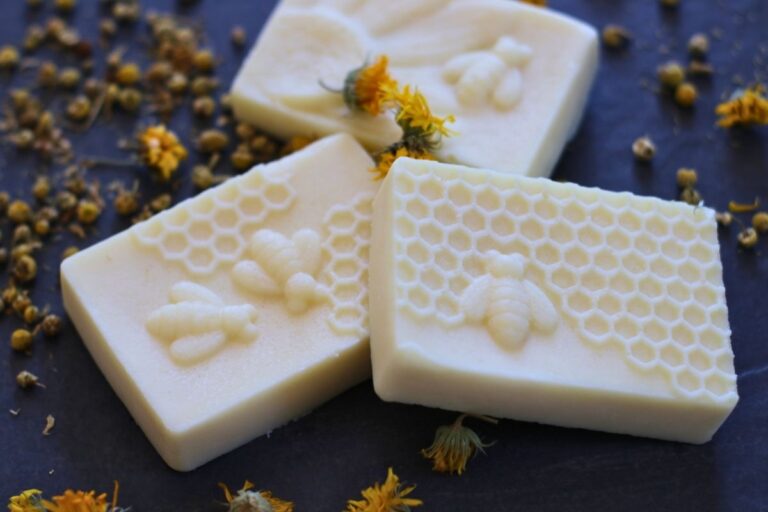
Easy Herbal Conditioner Bar Recipe with Chamomile & Calendula This herbal conditioner bar recipe combines nourishing oils, cocoa butter, BTMS-50, and vitamin B5 for soft, manageable hair. It also features chamomile-infused coconut oil and calendula-infused olive oil for a special herbal touch. Unlike traditional bottled conditioner, solid conditioner bars are highly concentrated and require very…
-
The Best DIY Honey Foaming Face Wash | Glowing, Healthy Skin
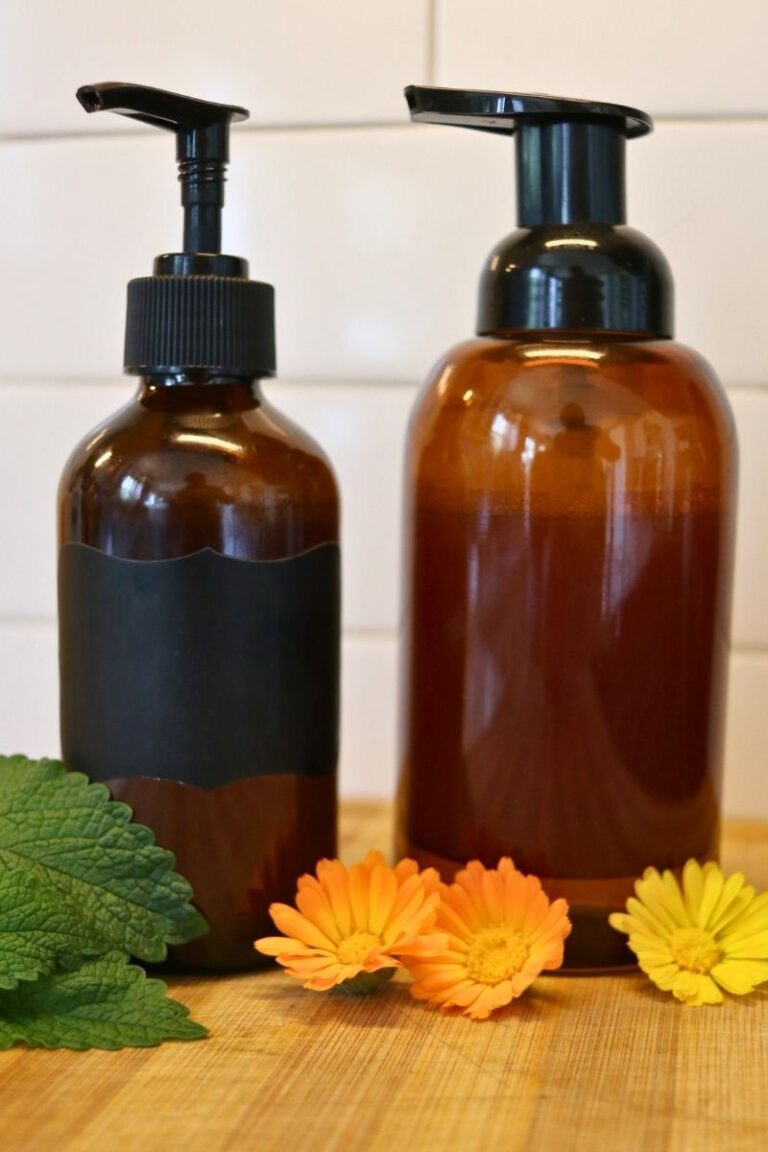
The Best DIY Honey Foaming Face Wash for Glowing, Healthy Skin A Simple, Gentle Daily Cleanser You Can Feel Good About I have tried many cleansers over the years, both as a nurse and a busy mom. However, I kept coming back to simple, nourishing ingredients. This honey foaming face wash has become a favorite…
-
Simple Gentle Liver Detox Tea Recipe (Natural & Nourishing)
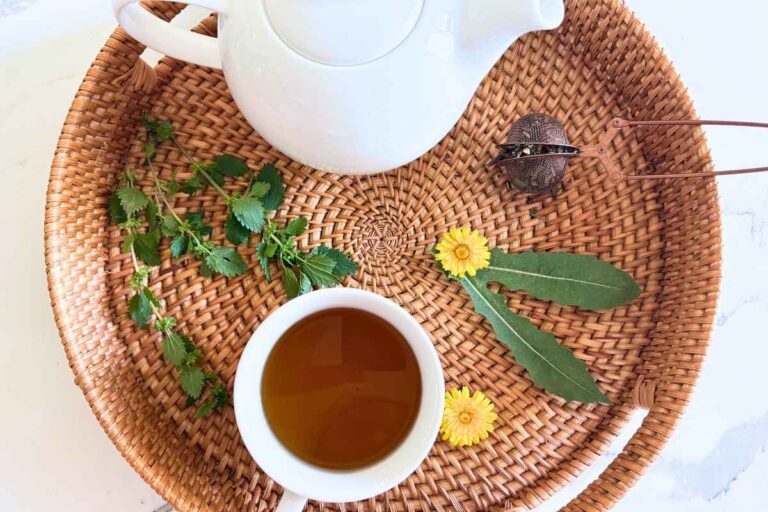
Gentle Liver Detox Tea Recipe (Natural and Nourishing) A Simple Way to Support Your Body Naturally As the seasons begin to shift, I often notice my body asking for a slower, gentler reset. After months of heavier foods and busy days, everything can start to feel a little sluggish. Instead of turning to harsh detoxes,…
-
Easy Apple Cinnamon Baked Oatmeal Recipe
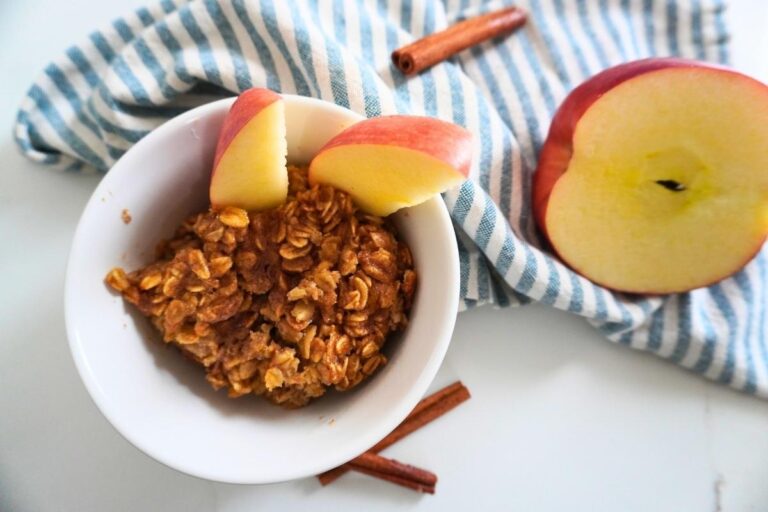
Apple Cinnamon Baked Oatmeal Recipe This apple cinnamon baked oatmeal recipe is one of those breakfasts that brings calm to busy mornings. I started making baked oatmeal when I needed something nourishing that could feed my family without extra work. This recipe comes together quickly, uses simple pantry staples, and bakes while the rest of…
-
Herbal Calendula and Chamomile Sugar Scrub
Herbal Calendula and Chamomile Sugar Scrub There is something deeply satisfying about making simple body care products with herbs you already know and trust. Over time, I’ve learned that our skin responds best to gentle, nourishing ingredients, especially when they come straight from the apothecary shelf or pantry. This calendula chamomile sugar scrub is one…
-
Apple Mint and Lemon Balm Calm Tea
Apple Mint and Lemon Balm Calm Tea A Gentle, Comforting Blend for Stressful Days When the day feels a little too loud, or your mind just won’t slow down, apple mint and lemon balm calm tea is one of my favorite ways to create a pocket of peace. As a mom of five and an…