The Amazing Benefits of Bee Balm (Bergamot)
The benefits of bee balm begin with its vibrant color, strong aroma, and rich history in herbal medicine. Native to North America, this hardy plant has been used for generations to soothe sore throats, treat minor wounds, and support the nervous system.
Bee balm plants, including Monarda fistulosa and Monarda didyma, are also known by common names like wild bergamot, scarlet bee balm, Oswego tea, and lemon mint. This herbaceous perennial is a member of the mint family and grows easily in full sun or partial shade.
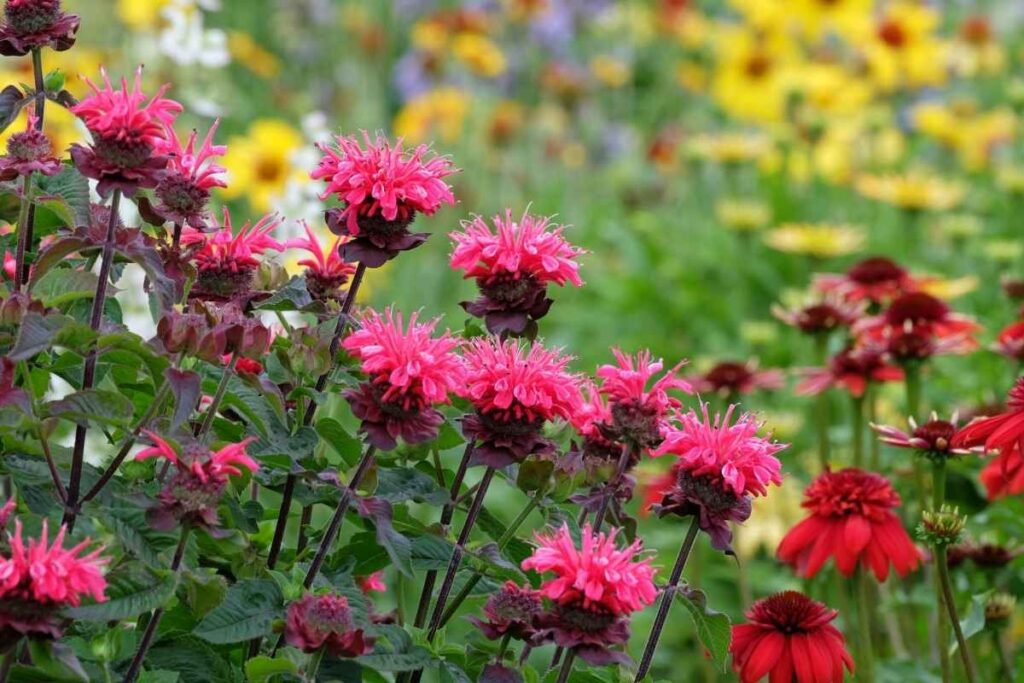
You’ll find bee balm flowers in pollinator gardens, flower beds, and cottage gardens across the eastern United States. It’s one of my favorite native plants to grow for both its beauty and its many uses in herbal tea and natural remedies.
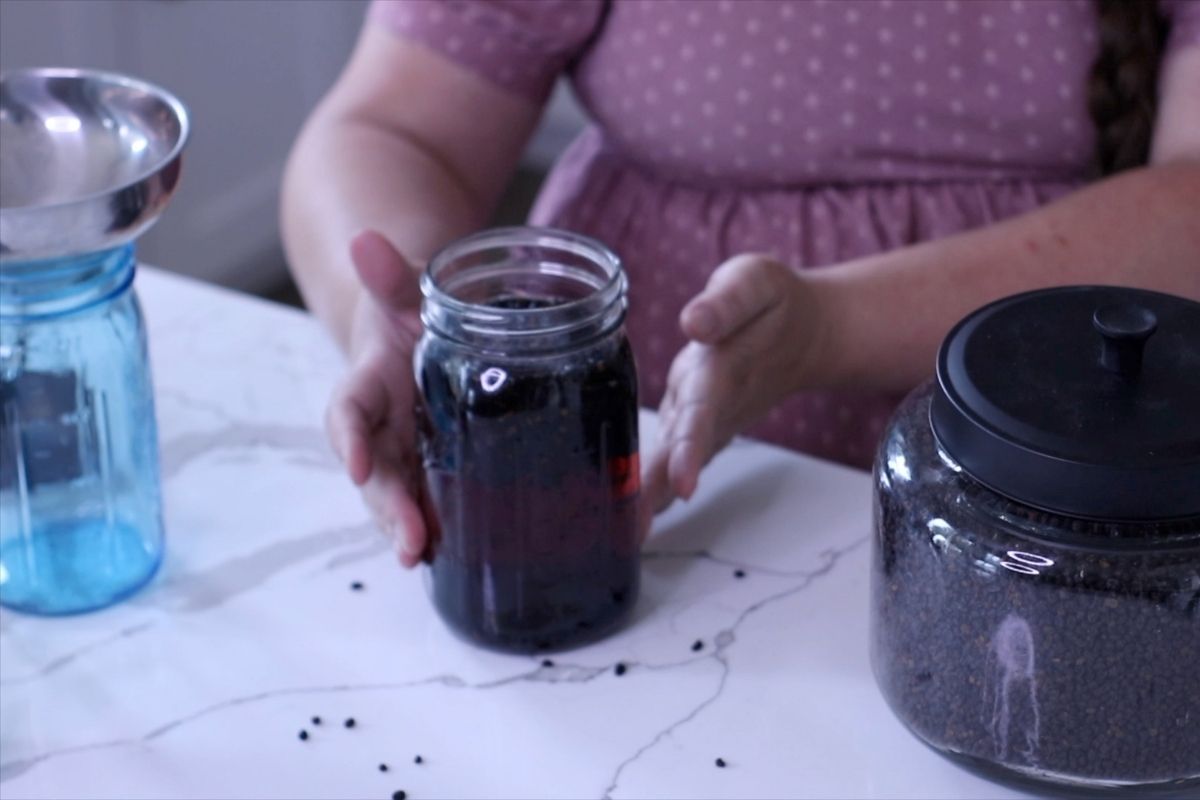
In this post, I’ll share how to grow, harvest, and use the leaves of the bee balm plant. There’s also a video included where I show how to garble the dried plant and prepare it for tea or homemade medicine.
Let’s take a closer look at why this hardy plant belongs in every herbalist’s garden.
Save for Later!
What Is Bee Balm and Where Does It Grow
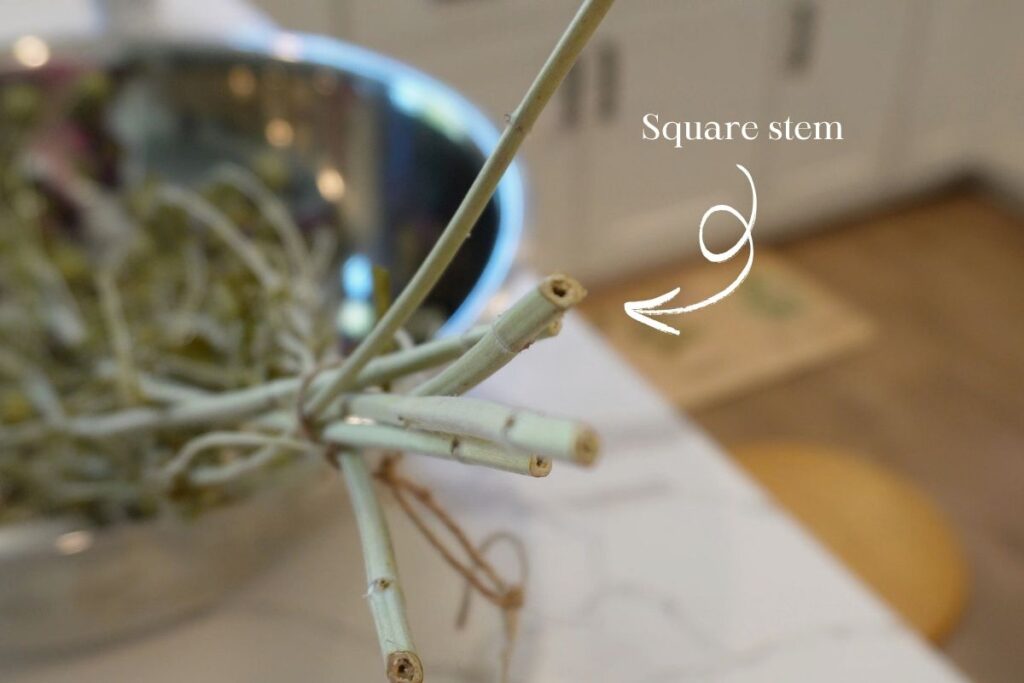
Bee balm is a perennial herb native to North America and a valued member of the mint family. This hardy plant thrives in meadows, along woodland edges, and in pollinator gardens across the eastern United States. Its vibrant red flowers, square stems, and fragrant leaves make it a favorite among native bees and gardeners alike.
Common Names and Species
Bee balm is known by several common names, including wild bergamot, scarlet bee balm, lemon mint, and Oswego tea. Its Latin names include a few species: Monarda didyma, Monarda fistulosa, m. didyma, and m. punctata. Each has its own subtle look and growing habit, but all varieties share the same herbal value and garden charm.
Ideal Growing Conditions
Bee balm plants grow best in well-drained soils rich in organic matter. They prefer full sun but tolerate partial shade, especially during the hottest summer months. Good air circulation is important, as it helps reduce the risk of powdery mildew on the leaves. Moist soil helps support strong growth through the season.
Gardeners often plant bee balm seeds in early spring after the last frost date or set out new plants in early fall. With time, these hardy perennials fill out beautifully. By the second year, most individual plants are full and spreading, offering clusters of colorful flower heads and fresh new growth.
A Useful and Beautiful Garden Herb
The entire plant can be used for natural remedies, from the hollow stems and bee balm leaves to the showy flower heads. Bee balm adds both beauty and function to flower beds, vegetable gardens, and cottage gardens. It’s a great addition to any herbal space—whether you’re growing it for its medicinal properties, for use in bee balm tea, or to attract pollinators to your yard.
Medicinal Benefits of Bee Balm
Bee balm is more than just a pretty garden flower. The benefits of bee balm extend into the world of natural wellness, offering gentle yet effective support for a variety of common ailments. From sore throats to nervous tension, this native North American plant has earned its place in herbal medicine.
Soothing Sore Throats and Coughs
One of the most well-known uses of bee balm is for respiratory relief. Bee balm tea made from the dried plant is a traditional herbal remedy for sore throats, coughs, and mild fevers. Its warming, slightly spicy flavor helps open the sinuses and soothe irritation in the throat. It’s a great way to find comfort during the cold season or after long days outdoors in dry summer air.
Calming the Nervous System
Bee balm is known for its calming effect on the nervous system. It can help ease tension, irritability, and even menstrual cramps when taken as a tea or herbal infusion. The essential oil content of the bee balm plant contributes to its relaxing properties, making it a supportive herb during times of stress. Many herbalists turn to wild bergamot or monarda didyma as a natural way to unwind.
A Gentle Herb for Colicky Babies
In small, carefully prepared doses, bee balm has been used traditionally for colicky babies. A weak tea or warm compress made from the leaves of the bee balm plant can gently ease tummy troubles. Its ability to calm the digestive system makes it a comforting herbal remedy for little ones experiencing gas, restlessness, or discomfort. Always consult with a trusted healthcare provider when using herbs with infants.
Natural Antiseptic and First Aid Ally
Bee balm has natural antiseptic qualities that make it useful for minor wounds, bee stings, and skin irritations. The entire plant—especially the leaves and flower heads—can be made into an herbal wash, poultice, or steam. It helps clean minor scrapes while also calming inflammation. Bee balm is a great addition to any natural first aid kit, especially during the active summer months.
Herbal Tea With a Spicier Flavor
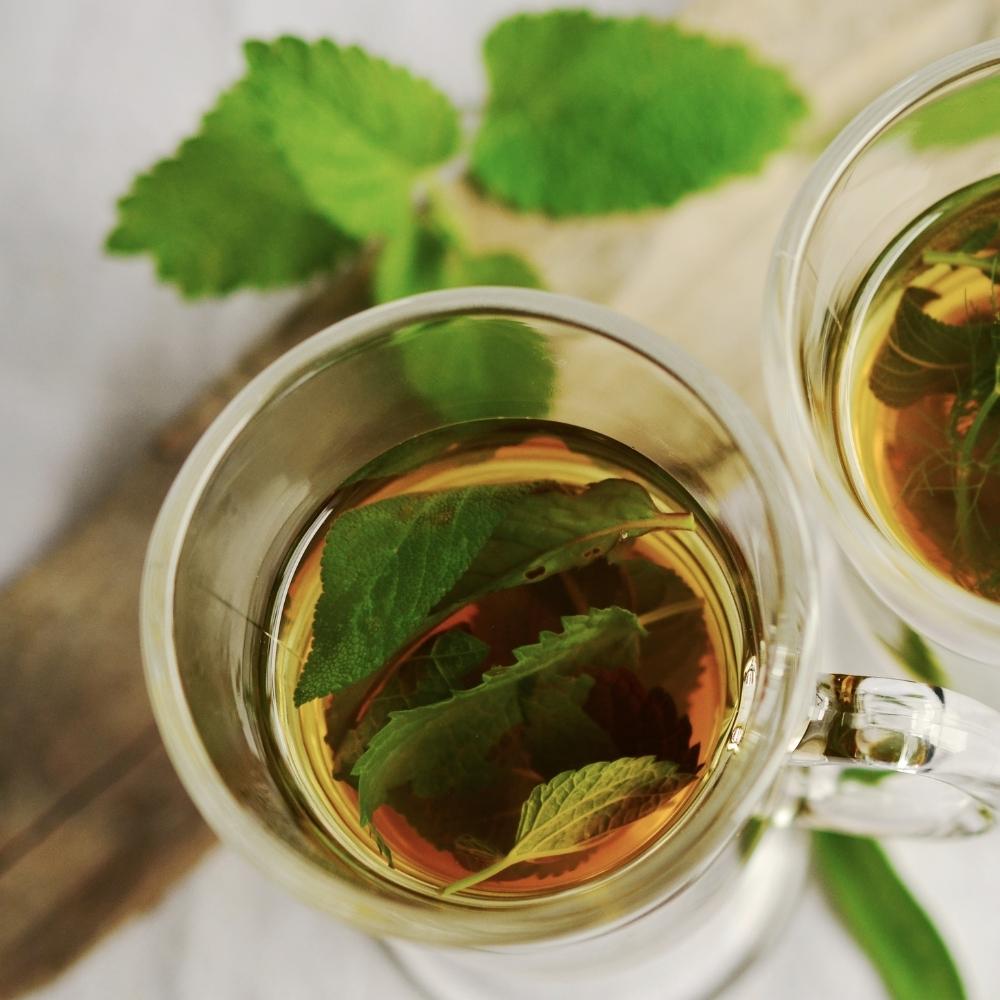
Bee balm tea, often called Oswego tea, has a distinct spicier flavor compared to lemon balm or mint. It’s slightly citrusy and warm, thanks to its essential oil content, which is why it has been used as a replacement for bergamot orange in homemade versions of Earl Grey tea. Drinking bee balm tea is not only enjoyable, but also one of the best ways to benefit from the plant’s medicinal properties.
How to Grow and Care for Bee Balm
Growing bee balm is a rewarding experience for any gardener, especially those interested in native plants and herbal medicine. This hardy perennial is surprisingly easy to care for once established, making it a great addition to both small and large gardens.
Planting and Soil Requirements
Bee balm thrives best in well-drained soil rich with organic matter. While it prefers moist soil, it can tolerate poorer or sandy soils if given enough nutrients. For best results, plant bee balm in an area with full sun, although it will tolerate partial shade, especially during hot summer afternoons.
Starting From Seeds or New Plants
You can begin growing bee balm from seeds sown in early spring after the last frost date. Alternatively, young plants or divisions planted in early fall establish quickly and often bloom by the next growing season. The growing season is generally long, with new growth appearing in early spring and vibrant flowers blooming through late summer and early fall.
Managing Growth and Preventing Disease
Bee balm can spread and fill in flower beds by the second year, forming dense clumps with its square, hollow stems and bright flowers. To keep plants healthy, provide good air circulation to reduce the risk of powdery mildew, a common issue in humid conditions. Avoid overcrowding and prune back old stems in early spring to encourage fresh growth.
A Great Addition to Pollinator and Vegetable Gardens
Bee balm’s strong fragrance and bright red flowers attract native bees, butterflies, and hummingbirds, making it a natural fit for pollinator gardens. It also pairs well with vegetable gardens by encouraging beneficial insects that help control pests. Whether you’re growing Monarda fistulosa or scarlet bee balm, this plant adds beauty and function to your garden space.
How to Harvest and Use Bee Balm
Harvesting bee balm at the right time ensures the best flavor and medicinal benefits. Knowing how to properly gather and prepare this versatile plant can make all the difference in your herbal remedies and teas.
When and How to Harvest
The best time to harvest bee balm is just before the flowers fully open, usually in the summer months or early fall. At this stage, the flower heads and leaves contain the highest concentration of essential oils and medicinal compounds. Use clean scissors or garden shears to snip the flower heads and fresh bee balm leaves.
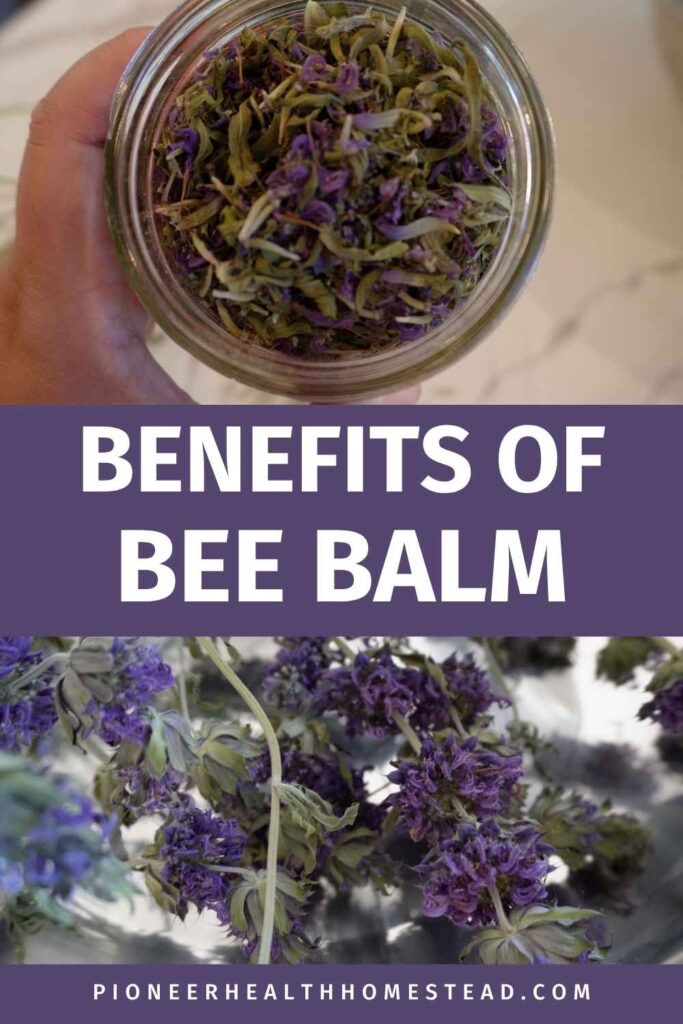
You can harvest the entire plant if you plan to dry it for later use. Cut the stems about six inches from the ground, and bundle them loosely for drying in a well-ventilated, shaded area. Proper drying preserves the plant’s aroma and potency, making it perfect for herbal teas and infusions.

Using Bee Balm in Herbal Tea and Remedies
One of the most popular uses of bee balm is brewing herbal tea. Dried leaves and flower heads steeped in hot water release their warm, slightly spicy flavor, reminiscent of bergamot orange. This herbal tea supports sore throats, calms the nervous system, and can even soothe minor digestive discomfort.
Beyond tea, fresh or dried bee balm can be used in salves, tinctures, and herbal steam treatments. The natural antiseptic properties make it a helpful addition to remedies for minor wounds, skin irritations, and bee stings. A warm compress made from infused bee balm can also relieve congestion and promote healing.
Storing and Preserving Bee Balm
To enjoy the benefits of bee balm year-round, proper storage is key. Store dried leaves and flowers in airtight containers away from direct sunlight and moisture. When using fresh bee balm, keep it refrigerated and use it within a few days for the best flavor and potency.
Whether you use it as a soothing herbal tea or a natural first aid remedy, bee balm is a wonderful herb to have on hand. With simple harvesting and proper care, you can make the most of this native perennial’s healing properties.

Common Questions About Bee Balm
Bee balm is a wonderful plant, but it often raises a few questions from gardeners and herbal enthusiasts alike. Understanding its basics helps you grow it well and use it safely.
Is Bee Balm a Perennial Plant?
Yes, bee balm is a hardy herbaceous perennial. This means it comes back year after year, often growing fuller and more vibrant by the second year. With proper care, it can thrive for many seasons in your garden.
What Are the Differences Between Monarda Species?
Monarda didyma, often called scarlet bee balm, is known for its bright red flowers and spicier aroma. Monarda fistulosa, or wild bergamot, tends to have lavender to pink flowers and a slightly milder scent. Both species share similar growing needs and medicinal uses but offer different looks and flavors.
Can Bee Balm Grow in Partial Shade or Poor Soil?
While bee balm prefers full sun, it can tolerate partial shade, especially during hot afternoons. It grows best in well-drained, nutrient-rich soils but can adapt to poorer or sandy soils if given enough moisture and care.
How Can I Prevent Powdery Mildew?
Good air circulation and planting in sunny spots help prevent powdery mildew, a common fungal issue with bee balm. Avoid overcrowding and remove any affected leaves promptly. Organic sprays and proper watering practices also support healthy plants.
Is Bee Balm the Same as Bergamot Orange?
No, bee balm is often called wild bergamot because of its similar citrusy aroma, but it is not related to the bergamot orange used in Earl Grey tea flavoring. Bee balm is a native North American plant with distinct herbal properties.
Is Bee Balm Safe for Children and Pets?
Bee balm tea and preparations are generally safe in moderate amounts. However, when using herbal remedies for children, especially infants, consult a healthcare professional. Bee balm has traditionally been used with care for colicky babies in weak infusions.
Safety Considerations When Using Bee Balm
While bee balm offers many benefits, it’s important to use it safely and with awareness. One key caution is that bee balm acts as an emmenagogue, meaning it can stimulate menstrual flow. Because of this, bee balm is not recommended during pregnancy.
Using bee balm during pregnancy could potentially cause uterine contractions, which may lead to complications or miscarriage. For this reason, it’s best to avoid herbal teas, tinctures, or other preparations containing bee balm if you are pregnant or trying to conceive.
For women who are breastfeeding, there is limited information on safety, so it’s wise to consult with a healthcare provider before using bee balm remedies.
As with any herbal medicine, moderation is important. Bee balm is generally safe for most adults when used appropriately, but those with sensitive systems or underlying health conditions should check with a trusted herbalist or healthcare professional.
Embracing the Amazing Benefits of Bee Balm
The benefits of bee balm make it a wonderful addition to both gardens and home remedies. This native North American perennial brings vibrant beauty, attracts pollinators, and offers powerful medicinal properties. From soothing sore throats to calming the nervous system, bee balm’s uses are as diverse as its common names—wild bergamot, Oswego tea, scarlet bee balm, and more.
Growing bee balm is easy, whether you start from seeds or new plants. It thrives in full sun or partial shade, prefers well-drained soil, and requires good air circulation to stay healthy. Harvesting the leaves and flower heads at the right time lets you enjoy fresh or dried bee balm tea and natural remedies throughout the year.

While bee balm is generally safe, it should be used with care, especially by pregnant women due to its emmenagogue properties. With proper knowledge and respect, this hardy herb can support your family’s health in many gentle ways.
If you’re looking to deepen your herbal skills, consider adding bee balm to your garden and medicine cabinet. It’s a great way to connect with native plants and enjoy natural healing all year long.
-
Easy Herbal Conditioner Bar Recipe with Chamomile & Calendula
Easy Herbal Conditioner Bar Recipe with Chamomile & Calendula This herbal conditioner bar recipe combines nourishing oils, cocoa butter, BTMS-50, and vitamin B5 for soft, manageable hair. It also features chamomile-infused coconut oil and calendula-infused olive oil for a special herbal touch. Unlike traditional bottled conditioner, solid conditioner bars are highly concentrated and require very…
-
The Best DIY Honey Foaming Face Wash | Glowing, Healthy Skin
The Best DIY Honey Foaming Face Wash for Glowing, Healthy Skin A Simple, Gentle Daily Cleanser You Can Feel Good About I have tried many cleansers over the years, both as a nurse and a busy mom. However, I kept coming back to simple, nourishing ingredients. This honey foaming face wash has become a favorite…
-
Simple Gentle Liver Detox Tea Recipe (Natural & Nourishing)
Gentle Liver Detox Tea Recipe (Natural and Nourishing) A Simple Way to Support Your Body Naturally As the seasons begin to shift, I often notice my body asking for a slower, gentler reset. After months of heavier foods and busy days, everything can start to feel a little sluggish. Instead of turning to harsh detoxes,…
-
Easy Apple Cinnamon Baked Oatmeal Recipe
Apple Cinnamon Baked Oatmeal Recipe This apple cinnamon baked oatmeal recipe is one of those breakfasts that brings calm to busy mornings. I started making baked oatmeal when I needed something nourishing that could feed my family without extra work. This recipe comes together quickly, uses simple pantry staples, and bakes while the rest of…
-
Herbal Calendula and Chamomile Sugar Scrub
Herbal Calendula and Chamomile Sugar Scrub There is something deeply satisfying about making simple body care products with herbs you already know and trust. Over time, I’ve learned that our skin responds best to gentle, nourishing ingredients, especially when they come straight from the apothecary shelf or pantry. This calendula chamomile sugar scrub is one…
-
Apple Mint and Lemon Balm Calm Tea
Apple Mint and Lemon Balm Calm Tea A Gentle, Comforting Blend for Stressful Days When the day feels a little too loud, or your mind just won’t slow down, apple mint and lemon balm calm tea is one of my favorite ways to create a pocket of peace. As a mom of five and an…