The Best Herbal Burn Salve Recipe
The Burn Struggle Is Real
Herbal burn salve recipe might not be something you think about until you need it, but if you spend any time in the kitchen, you probably need one. I can’t even count how many times I’ve burned myself while cooking. Whether it’s steam from boiling pasta, accidentally grabbing a hot pan handle, or brushing up against the oven rack, it always seems to happen when I’m trying to do too many things at once. Dinner is bubbling over, a toddler needs help with something, and I’m answering a spelling question from across the room—then ouch. Another small burn to deal with.
From Ouch to Herbal Medicine
After years of these minor kitchen injuries, I finally got tired of reaching for store-bought burn creams that never seemed to offer much relief. I wanted something simple and natural, something I felt good about using on myself and my older children. That’s when I started exploring homemade burn remedies using ingredients I already had—coconut oil, olive oil, essential oils, and a few medicinal herbs I was growing in the yard. I experimented with a few combinations until I found the right balance. The result was a homemade burn salve that quickly became one of my go-to natural remedies.
Why I Always Keep This On Hand
Now I make sure this salve is always stocked in my first aid kit and tucked away in the medicine cabinet. I even keep a little tin of it in my bag because you never know when you’ll need it. It’s gentle on burned skin, supports the healing process, and uses natural ingredients I trust. Best of all, it takes very little time to make and lasts for months when stored properly. If you’ve ever reached for ice or cold water after a small burn, this salve might just become your new favorite home remedy.
Why Use a Herbal Burn Salve?
A Natural Product with Real Healing Power
A good herbal burn salve is more than just a comfort item. It brings together natural ingredients that are known for their healing properties. When combined, they create a soothing salve that supports the skin as it repairs itself. Coconut oil and olive oil act as carrier oils, helping deliver the benefits of medicinal herbs and essential oils deep into the skin.
Packed with Anti-Inflammatory and Antimicrobial Properties
Certain herbs and oils have powerful anti-inflammatory properties that help calm irritated or burned skin. Lavender essential oil is a favorite of mine because it smells amazing and helps with pain, redness, and healing. Manuka honey and sea buckthorn oil also add antimicrobial support, which helps protect the burned area from infection while the skin begins to heal.
Save for Later!
A Safer Alternative to Store-Bought Options
Many store-bought burn creams are loaded with ingredients I can’t pronounce. When I started making my own herbal medicine, I realized I could create something just as effective using what I had at home. This homemade burn salve avoids harsh chemicals and gives you a natural remedy that’s gentle enough for older children and safe to keep in the first aid kit.
A Must-Have for the Medicine Cabinet
This is one of those multi-purpose salves I always keep nearby. Whether it’s a small burn from the stove, sunburn, or skin irritation from gardening, it’s the perfect remedy. I’ve used it on my own hands after long days in the kitchen or yard, and I’ve even dabbed it on the kids’ scraped knees. It’s a natural way to help the skin without much time, using ingredients that many of us already have at home.
Gathering What You’ll Need
Plant Material for Your Herbal Oil
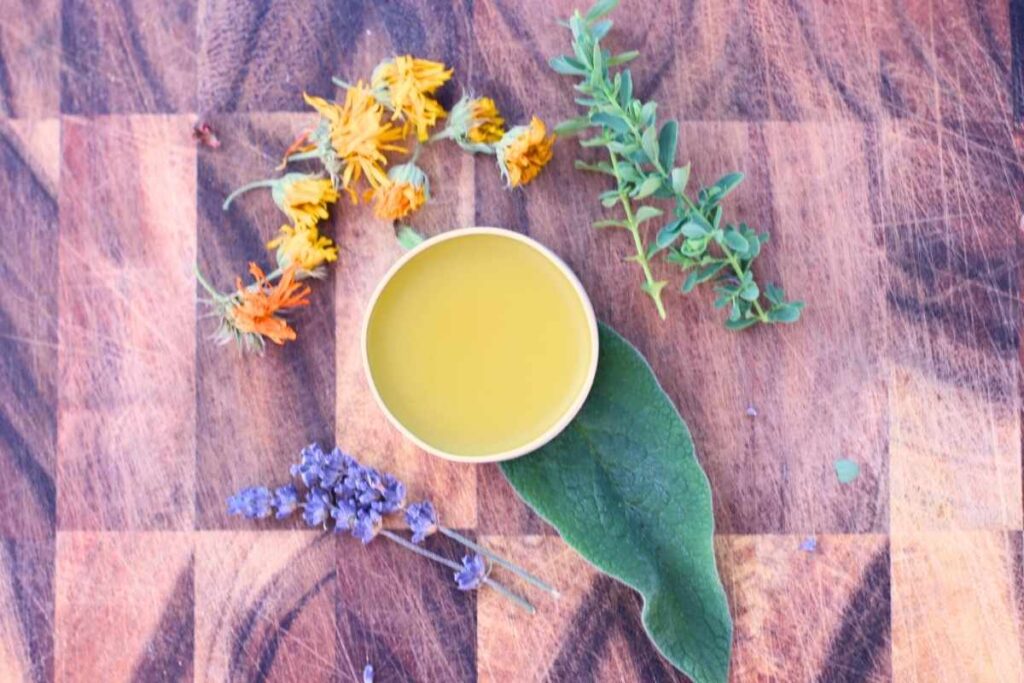
Calendula
Calendula is a common herb with amazing healing properties. It’s known for soothing irritated or burned skin and helping reduce inflammation during the healing process. You can find dried calendula flowers in your garden or order them from places like Mountain Rose Herbs.
Lavender
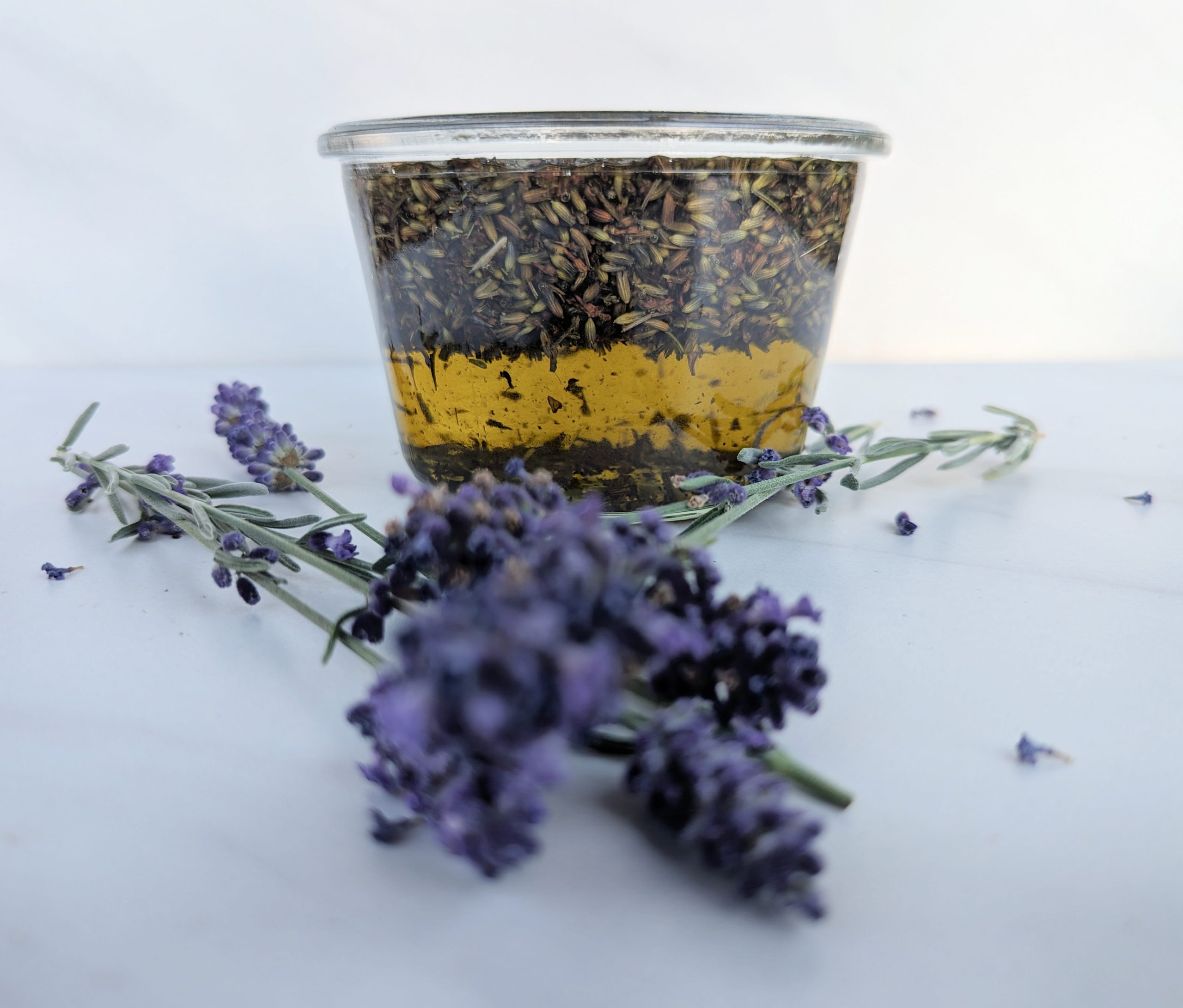
Lavender is one of my favorite medicinal herbs for skin care. It not only smells wonderful but also brings calming, anti-inflammatory benefits. Dried lavender flowers work well for infusing into oil or you can use lavender essential oil when making your salve.
Plantain
Plantain is a simple but powerful herb often overlooked. It supports wound healing and helps calm skin irritation, making it a great addition to any herbal burn salve recipe.
St. John’s Wort
St. John’s Wort oil has long been valued in herbal medicine for its soothing and anti-inflammatory effects. It’s especially useful for minor burns and helps support skin repair.

Carrier Oils for Infusion
Olive Oil
Olive oil is a gentle carrier oil that’s easy to find in grocery stores and kitchens everywhere. It’s nourishing and perfect for infusing dried herbs to create your herbal oil.
Coconut Oil
Coconut oil adds a cooling effect to your burn salve and has natural antimicrobial properties. It’s a wonderful base that helps protect and soothe burned skin.
Sweet Almond Oil
Sweet almond oil is rich in vitamins and perfect for sensitive or dry skin. It makes a nourishing carrier oil that enhances the healing properties of your herb-infused oil.
Sea Buckthorn Oil
Sea buckthorn oil is a powerful natural ingredient known for its ability to help reduce scar tissue and support deeper layers of tissue during the healing process.
Other Ingredients and Supplies
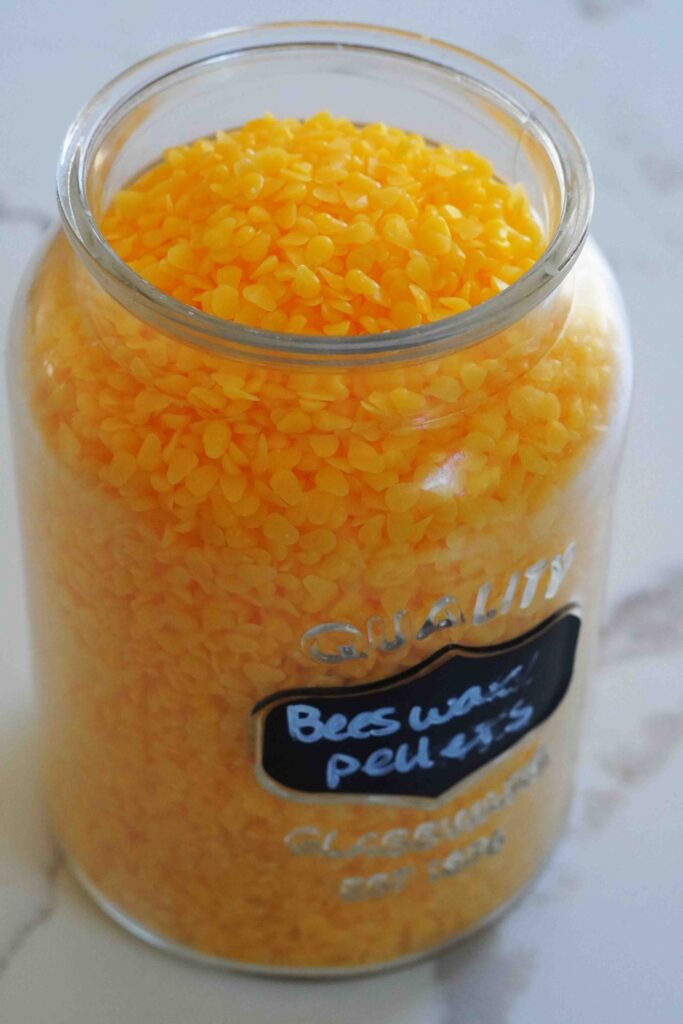
Beeswax Melts
Beeswax is what gives your salve its soothing texture and protective barrier. Using less beeswax will make your salve softer and easier to apply.
Essential Oils and Add-Ins
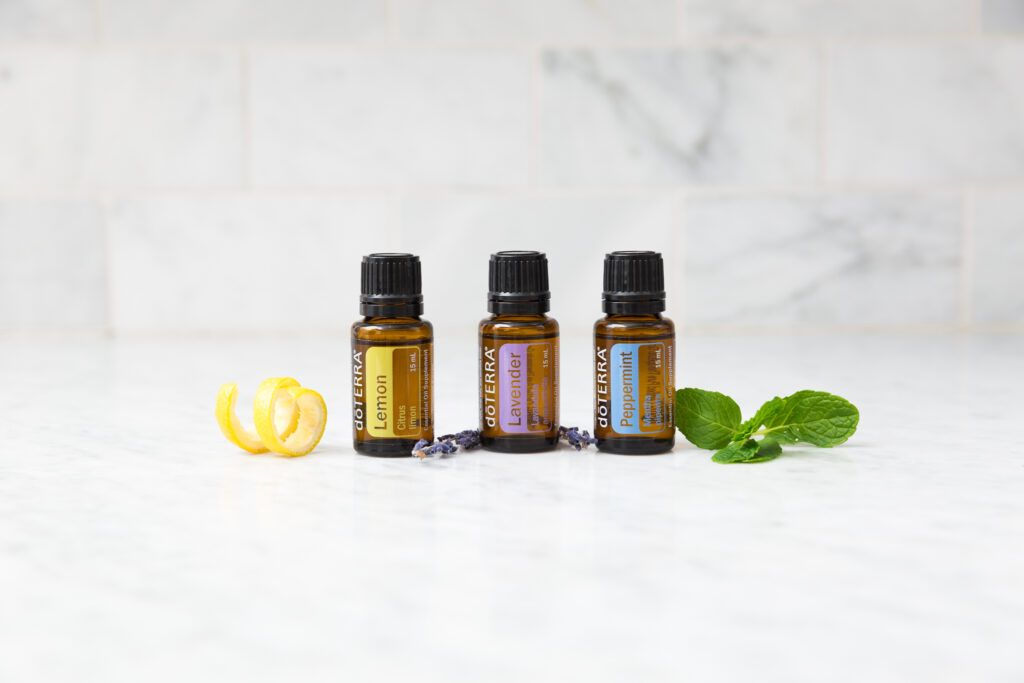
Lavender Essential Oil
Lavender essential oil or lavender oil adds extra healing benefits to your salve. It has a calming scent and helps soothe the affected area.
Vitamin E Oil
Vitamin E oil is optional but highly recommended. It supports skin repair and helps protect the salve from going rancid.
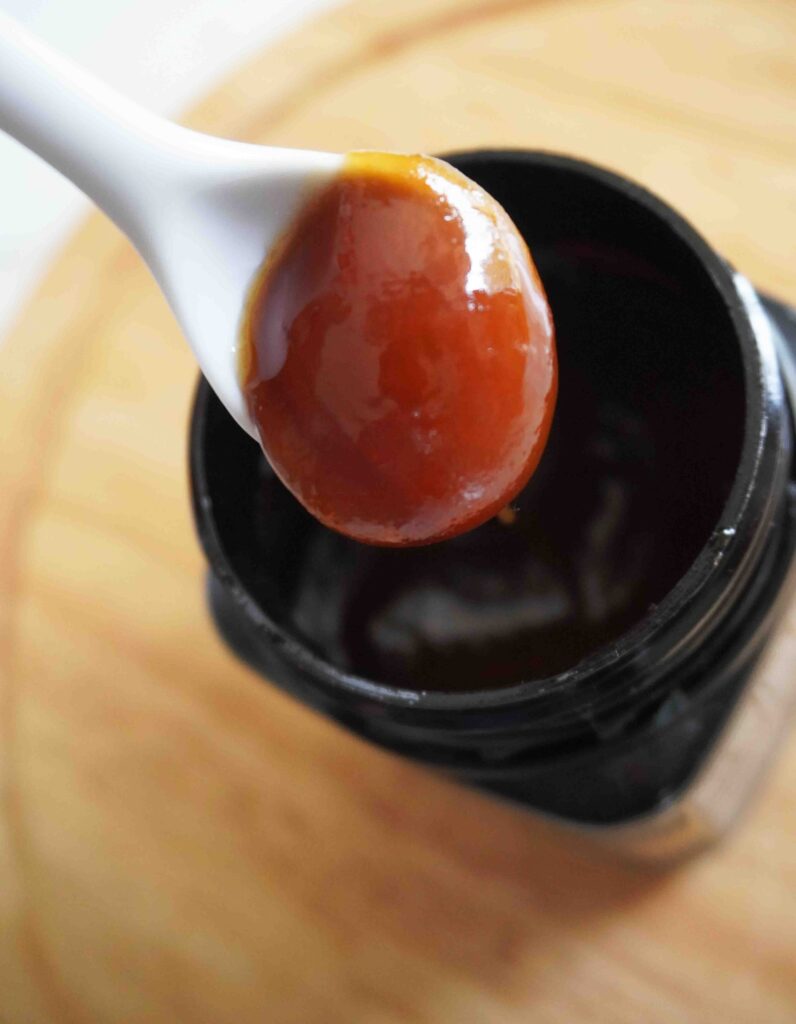
Manuka Honey
Manuka honey is a powerful natural ingredient known for its antimicrobial properties. Adding it to your salve helps protect burned skin from infection and supports healing.
Tools You’ll Need
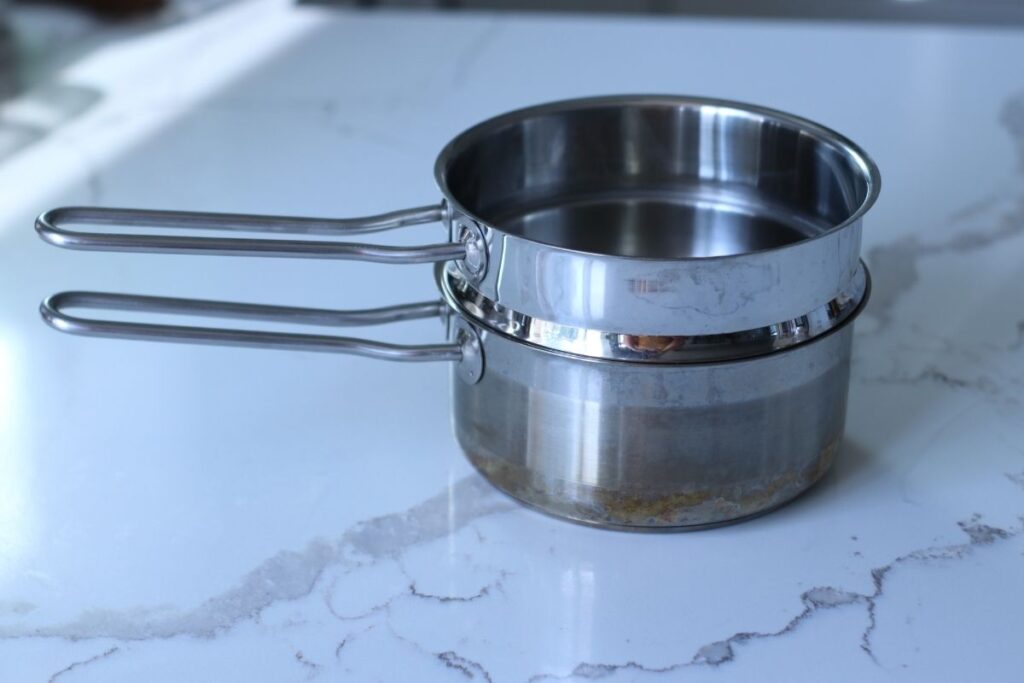
Small Saucepan or Double Boiler
A small saucepan or double boiler is essential for gently melting your beeswax and blending it smoothly with your herbal oil. Using low heat helps preserve the healing properties of your ingredients.
Mason Jar
A clean mason jar is perfect for infusing dried herbs into your carrier oil. It keeps everything sealed and allows the herbs to steep properly over time.
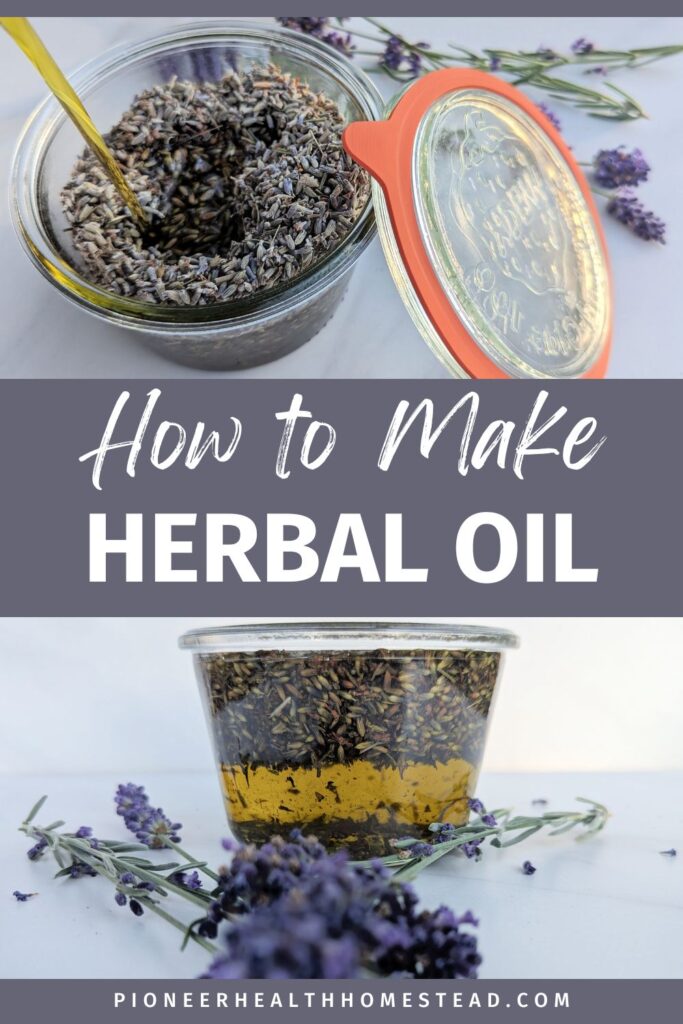
How to Make Herb-Infused Oil
Important Disclaimer About Carrier Oils and Methods
Before you start, it’s important to know that if you choose the solar infusion method, your herbal oil needs to stay liquid at room temperature. For this, olive oil works well because it remains liquid even when cool. Coconut oil, however, solidifies at room temperature, so it’s better suited for heat infusion where you gently warm the oil.
Method 1: Low Heat Infusion
The low-heat method is perfect when you don’t have much time. Using a double boiler or small saucepan, gently warm your carrier oil with the dried herbs for at least 8 to 10 hours. Some people find that 4 hours can work in a pinch, but longer infusion extracts more healing properties from the plant material. Be sure to keep the heat low to protect the anti-inflammatory benefits of your herbs.
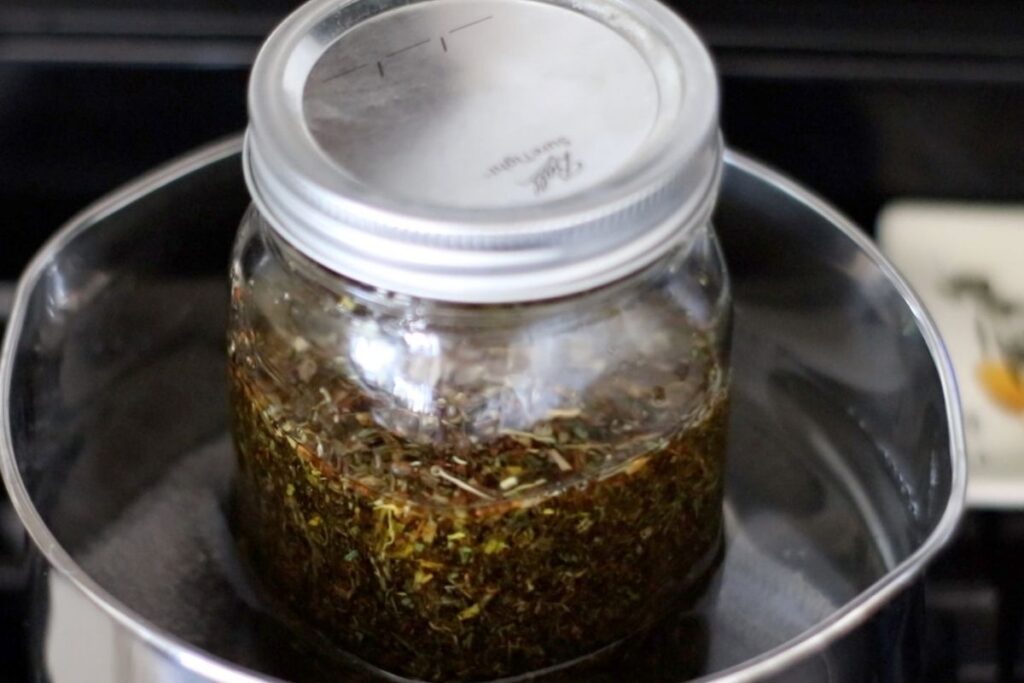
Method 2: Solar Infusion
For a slower, hands-off method, try solar infusion. Place your mason jar filled with carrier oil and dried herbs on a sunny windowsill in a dry place. Avoid direct sunlight for too long to prevent overheating. Let the oil infuse for about a month. This method is great if you want to make herbal oil with minimal effort, but it requires patience.
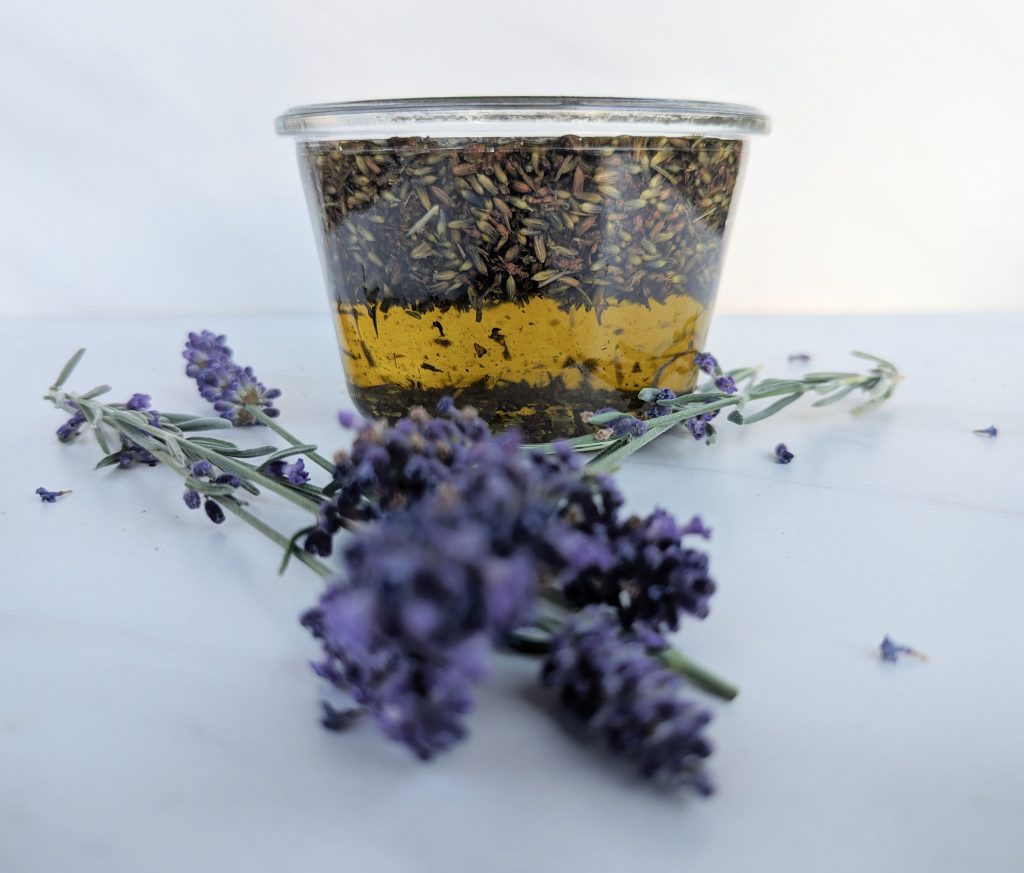
Choosing Your Carrier Oil and Plant Material
Olive oil and coconut oil are excellent carrier oils for making herbal-infused oils. Add your dried plant material to the oil and use the method that best fits your schedule. After the infusion period, strain out the herbs using a fine mesh or cheesecloth and store your herbal oil in a clean jar.
Homemade Herbal Burn Salve Recipe
Ingredients You’ll Need
To make this herbal burn salve, gather:
- 2 tablespoons dried calendula
- 2 tablespoons dried St. John’s Wort (fresh if possible)
- 2 tablespoons dried comfrey
- 2 tablespoons dried plantain
- 1 cup olive oil (carrier oil), plus extra as needed
- 1 ounce beeswax melts
- Optional: 15–30 drops of lavender essential oil
Preparing Your Herb-Infused Oil
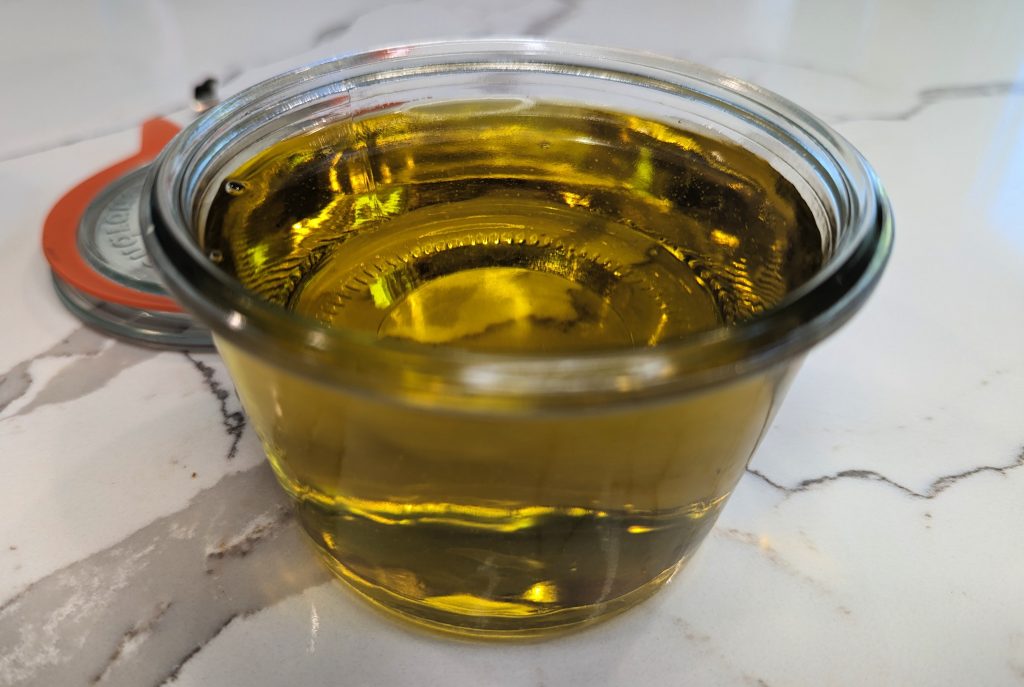
Start by combining the dried herbs in a mason jar with about 1 cup of olive oil. Remember, the plant material will soak up some oil, so it’s a good idea to add an extra 1/4 to 1/2 cup to ensure you have a full cup of herbal-infused oil once ready.
Infuse your herbs using either the low-heat or solar infusion method. After the infusion, strain the oil carefully through a fine mesh or cheesecloth to remove all the plant material.
 2 T each herb in glass jar
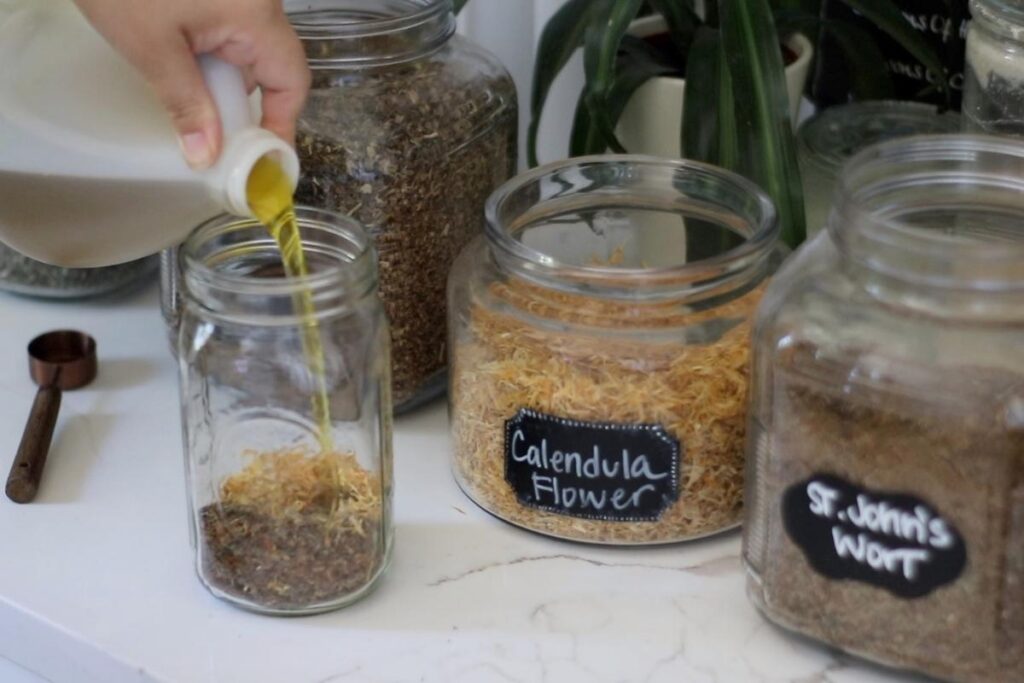 Pouring olive oil over dried herbs
- Using low heat infusion for 8-10 hours
 Straining the herbal infused oil
Making the Salve
Next, gently melt 1 ounce of beeswax into your strained herbal oil using low heat on a double boiler or small saucepan. This will give your salve a soothing texture and protective barrier.
Once melted, remove the mixture from the heat and stir in your optional lavender essential oil, which adds extra healing and calming benefits.
 Measuring out Beeswax
 Measuring out the herbal infused oil
 Pouring ingredients into double boiler
 Stirring mixture to melt
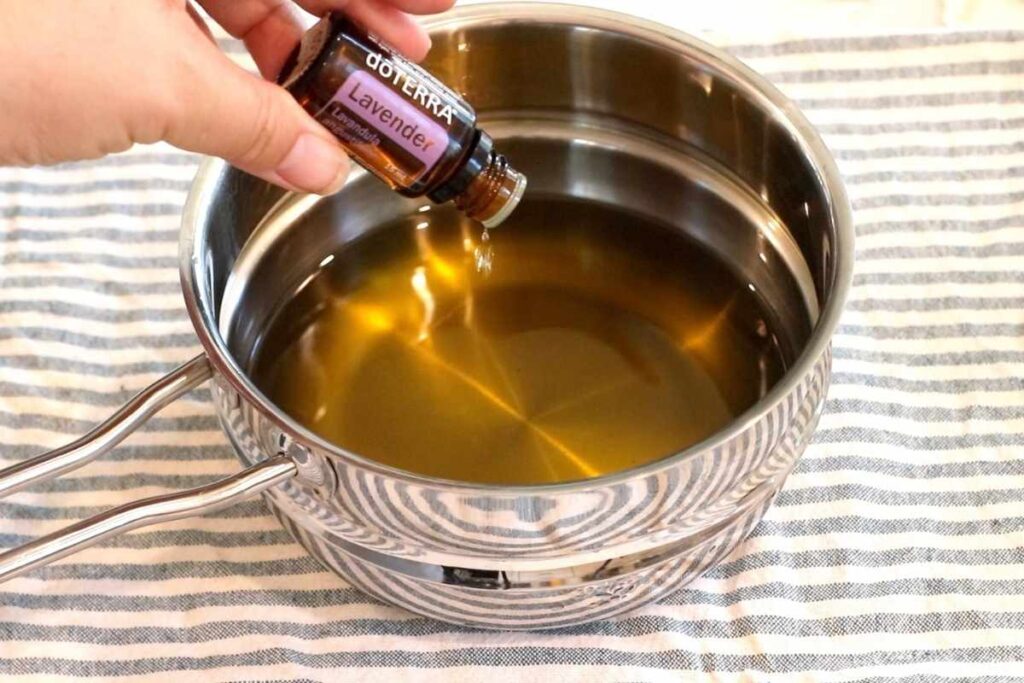 Removed from heat and adding in lavender essential oil
Finishing Touches and Storage
Pour the warm salve into clean jars or tins and let it cool to room temperature until solid.
 Pouring into a tin
 Pouring into glass jar
 Don’t put lid on until completely cooled
 Ready to use!
Don’t forget to label your containers with the date. Store the salve in a dry place out of direct sunlight. Properly stored, this herbal burn salve will last 6 to 12 months.
This natural homemade salve is a perfect remedy for minor burns and skin irritation, packed with the healing properties of medicinal herbs and natural ingredients.
Herbal Burn Salve
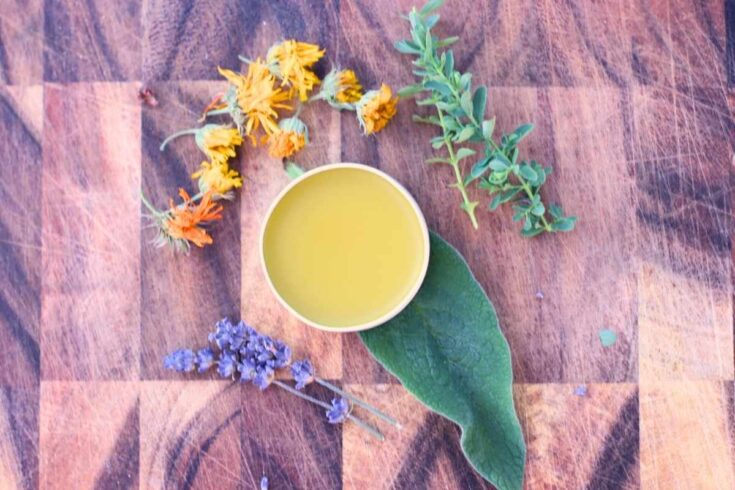
This soothing herbal burn salve is a must-have for every natural first aid kit. Made with healing herbs like plantain, comfrey, calendula, and St. John’s Wort, it gently supports the skin’s natural healing process. The addition of lavender essential oil makes it especially effective for calming minor burns, reducing inflammation, and preventing irritation. Safe for older children and perfect for kitchen mishaps, this homemade salve is simple to make and full of skin-loving ingredients you can feel good about using.
Ingredients
- 2 tablespoons dried calendula
- 2 tablespoons dried St. John’s Wort (fresh if possible)
- 2 tablespoons dried comfrey
- 2 tablespoons dried plantain
- 1 cup olive oil (carrier oil), plus extra as needed
- 1 ounce beeswax melts
- Optional: 15–30 drops of lavender essential oil
Instructions
- Combine 2 tablespoons each of dried plantain, comfrey leaf, calendula, and St. John’s Wort in a mason jar.
- Pour in about 1 cup of olive oil, adding an extra ¼–½ cup if needed to fully cover the herbs.
- Infuse using the low-heat method (double boiler or small saucepan for 8–10 hours) or solar method (sunny windowsill for 3–4 weeks).
- Once infused, strain the oil using cheesecloth or a fine mesh strainer to remove all plant material.
- Measure 1 cup of your finished herbal oil and pour it into a small saucepan or double boiler.
- Add 1 ounce of beeswax melts and warm gently until fully melted, stirring occasionally.
- Remove from heat and stir in 15–30 drops of lavender essential oil (optional).
- Carefully pour the warm salve into clean tins or jars.
- Let cool at room temperature until fully set.
- Label with the date and store in a dry place out of direct sunlight. Shelf life: 6–12 months.
Notes
- Fresh St. John’s Wort is ideal if available—it turns the oil a beautiful deep red and offers even stronger skin support. I would allow the fresh herb to wilt for a day or so before using to help prevent the salve from having too much water content and going rancid quickly.
- For a softer salve, reduce the beeswax to ¾ oz or less. For a firmer, balm-like texture (great in warmer climates), use a full ounce.
- Always clean the affected area with cool water before applying the salve.
- This salve is intended for use on minor burns and skin irritation only. Do not use on deep, blistered, or infected wounds.
- Store in a cool, dry place out of direct sunlight to preserve the healing properties of the herbs and oils.
- If you’re new to any of the herbs or essential oils, test a small amount on the inside of your wrist first to check for sensitivity.
How to Use Your Herbal Burn Salve
Start by cleaning the affected area gently with cool water or cold water. This helps remove any dirt and soothes the burned skin.
Next, apply a thin layer of your herbal burn salve directly to the burned area or skin irritation. The soothing salve will support the healing process and calm inflammation.
If needed, cover the area with a non-stick bandage, sterile gauze, or a gauze wrap to protect the skin and keep the salve in place.
Keep this homemade burn salve in your first aid kit or medicine cabinet as your go-to natural remedy for minor burns and skin irritations.
When to Seek Medical Attention
While this herbal burn salve is a wonderful natural remedy for minor burns and skin irritation, it’s important to know its limits. For burns that are serious, such as second-degree burns covering large areas or any third-degree burns, always seek immediate medical care. These deeper wounds affect the deeper layers of tissue and require professional treatment to prevent infection and promote proper healing.
If you notice signs of infection like increased redness, swelling, pus, or severe pain in the burned area, or if the burn is caused by chemicals or electricity, contact a medical professional right away. Never replace medical advice or antibiotic ointments with home remedies when dealing with severe burns or complications.

Final Thoughts
Making your own herbal burn salve is a comforting way to support your body’s natural healing process using herbal medicine and simple, natural ingredients. With herbs like calendula, St. John’s Wort, comfrey, and plantain, combined with nourishing oils and beeswax, you’ll have a soothing salve ready in your first aid kit for minor burns and skin irritations.
Remember, the most important thing is to care for your skin gently and seek professional medical advice whenever you’re unsure. This homemade herbal burn salve is a perfect remedy for everyday use and a loving addition to your natural remedies collection.
-
Easy Herbal Conditioner Bar Recipe with Chamomile & Calendula
Easy Herbal Conditioner Bar Recipe with Chamomile & Calendula This herbal conditioner bar recipe combines nourishing oils, cocoa butter, BTMS-50, and vitamin B5 for soft, manageable hair. It also features chamomile-infused coconut oil and calendula-infused olive oil for a special herbal touch. Unlike traditional bottled conditioner, solid conditioner bars are highly concentrated and require very…
-
The Best DIY Honey Foaming Face Wash | Glowing, Healthy Skin
The Best DIY Honey Foaming Face Wash for Glowing, Healthy Skin A Simple, Gentle Daily Cleanser You Can Feel Good About I have tried many cleansers over the years, both as a nurse and a busy mom. However, I kept coming back to simple, nourishing ingredients. This honey foaming face wash has become a favorite…
-
Simple Gentle Liver Detox Tea Recipe (Natural & Nourishing)
Gentle Liver Detox Tea Recipe (Natural and Nourishing) A Simple Way to Support Your Body Naturally As the seasons begin to shift, I often notice my body asking for a slower, gentler reset. After months of heavier foods and busy days, everything can start to feel a little sluggish. Instead of turning to harsh detoxes,…
-
Easy Apple Cinnamon Baked Oatmeal Recipe
Apple Cinnamon Baked Oatmeal Recipe This apple cinnamon baked oatmeal recipe is one of those breakfasts that brings calm to busy mornings. I started making baked oatmeal when I needed something nourishing that could feed my family without extra work. This recipe comes together quickly, uses simple pantry staples, and bakes while the rest of…
-
Herbal Calendula and Chamomile Sugar Scrub
Herbal Calendula and Chamomile Sugar Scrub There is something deeply satisfying about making simple body care products with herbs you already know and trust. Over time, I’ve learned that our skin responds best to gentle, nourishing ingredients, especially when they come straight from the apothecary shelf or pantry. This calendula chamomile sugar scrub is one…
-
Apple Mint and Lemon Balm Calm Tea
Apple Mint and Lemon Balm Calm Tea A Gentle, Comforting Blend for Stressful Days When the day feels a little too loud, or your mind just won’t slow down, apple mint and lemon balm calm tea is one of my favorite ways to create a pocket of peace. As a mom of five and an…