Best Herbal Tea for Headaches
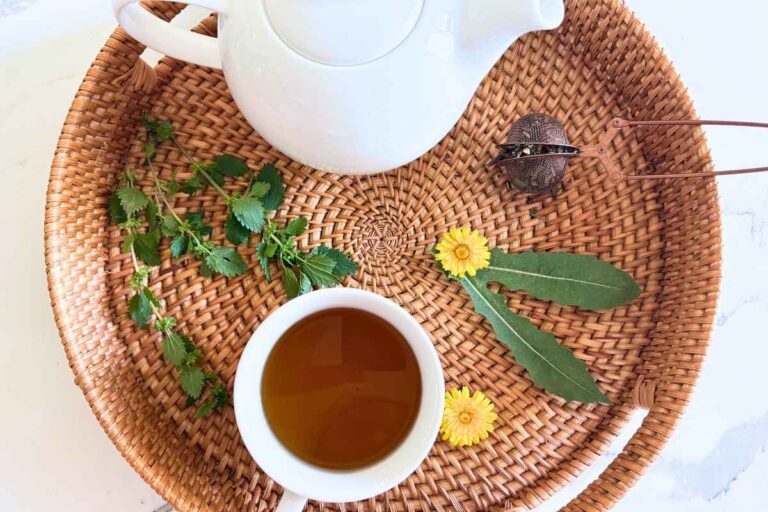
The best herbal tea for headaches is often the one that helps you feel calm, comforted, and truly supported in the moment.
If you’ve ever dealt with a pounding headache, tension behind your eyes, or the deep ache of a migraine attack, you know how hard it is to function. As a mom of five and a nurse, I’ve experienced my fair share of headaches, especially during stressful or sleepless seasons.
While over-the-counter pain medications might offer short-term treatment, they’re not always the best option long-term. That’s why I’ve leaned into herbal remedies more and more over the years. A warm cup of tea, steeped with the right natural ingredients, can be one of the simplest ways to ease headache pain and support your nervous system.
Herbal teas have been used since ancient times to bring relief from a wide range of symptoms. Certain blends may reduce inflammation, encourage blood circulation, calm muscle spasms, and even help with nausea or upset stomach that often comes with migraine headaches. And the ritual itself—sitting quietly with a soothing tea—can do so much to reset both body and mind.
In this post, I’ll walk you through the best tea for headaches: for different types of headaches, the active ingredients that support headache relief, and how to use herbal infusions as part of your natural remedies routine. Whether you’re looking for tension headache support, migraine relief, or just a calming tea to unwind with, I hope this guide helps you find the right fit.
Save for Later!

Understanding Headaches and Migraines
Common Symptoms of Headaches
Headache symptoms can vary, but they’re almost always disruptive. You might feel pressure, throbbing pain, or sensitivity to light and sound. Some headaches come with nausea or an upset stomach. Others may include neck tension, blurred vision, or muscle spasms.
Types of Headaches
Tension-type headaches are the most common. They often feel like a tight band across the forehead. Migraine headaches are more intense and may come with visual disturbances and severe pain. Some people also experience cluster headaches, sinus headaches, or headaches related to blood flow changes.
Migraine Attacks and Triggers
Migraine pain can be triggered by many things. Red wine, bright lights, hormone shifts, stress, and even changes in sleep can all play a role. Some triggers affect blood vessels or nervous system responses, making symptoms worse.
When to Seek Medical Advice
If your headache symptoms are new, frequent, or severe, always check with your doctor. Herbal teas can support your health, but they’re not a replacement for medical treatment. It’s important to rule out serious causes and get the right care when needed.

Why Herbal Tea Helps with Headache Relief
Natural Remedies That Support the Nervous System
Herbal teas are one of the simplest natural remedies for headache pain. Many herbs used in tea blends work gently with the body to calm the nervous system and relax the muscles.
How Herbal Teas Reduce Inflammation
Some herbal infusions contain natural anti-inflammatory properties. These ingredients help reduce swelling and pressure, which may ease tension headaches and migraine symptoms. A warm cup of tea can also support blood circulation and relieve tightness in the head and neck.
The Calming Effect of a Soothing Tea
Beyond the physical relief, sipping tea has a calming effect on the body. It’s a great way to pause during a stressful moment or unwind at the end of the day. When headache symptoms are linked to stress, this soothing routine can make a big difference.
Blood Flow and the Role of Active Ingredients
Certain herbal teas improve blood flow, which may reduce headache pain caused by narrowed blood vessels. The active ingredient in each herb plays a unique role. That’s why finding the right type of tea for your symptoms can bring the best results.
Caffeinated Teas Versus Caffeine-Free Tea
Some people find that teas with caffeine, like black tea or green tea, help ease headache symptoms. Caffeine can reduce inflammation and constrict blood vessels, offering short-term treatment for some types of headaches. Others may find that caffeine makes symptoms worse. Choosing the right tea types based on your body’s response is key.
A Gentle, Time-Tested Approach
Herbal teas have been used in traditional medicine for centuries. From ancient times through modern phytotherapy research, they’ve offered a natural alternative to harsh medications. While results can vary, many people find significant improvements with consistent use.
Let’s look at the best herbal teas for headaches and how each one supports natural relief.
The Best Herbal Tea for Headaches
Peppermint Tea for Tension Headaches
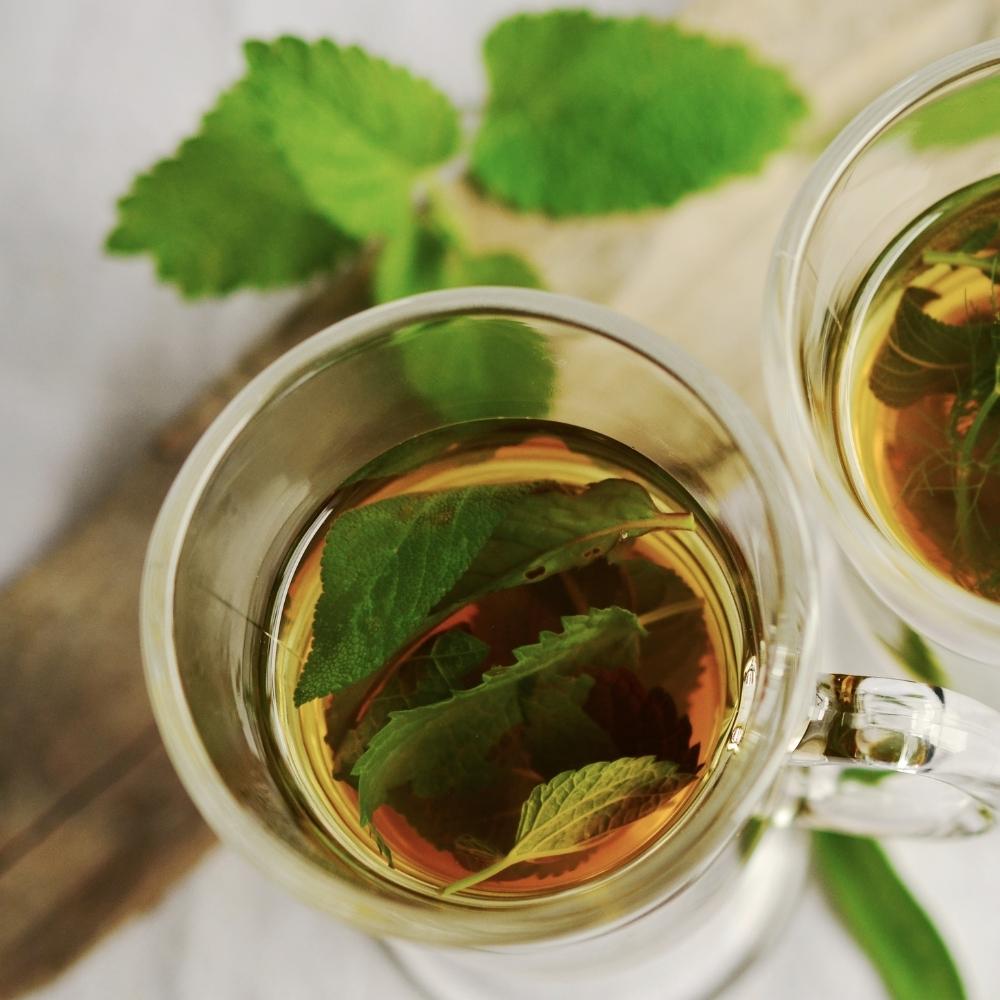
Peppermint tea is one of the best teas for soothing tension headaches. Its cooling effect can help relax tight muscles and ease headache pain. The menthol found in peppermint supports blood flow and has a calming effect on the nervous system. Some people also find relief by using peppermint oil or inhaling peppermint steam alongside their tea.
Ginger Tea for Migraine Relief
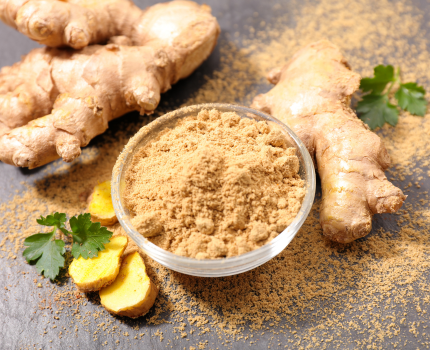
Ginger tea has natural anti-inflammatory properties that may reduce migraine symptoms and support digestion. Migraine headaches often come with nausea, and ginger is known for calming an upset stomach. Studies and clinical trial results suggest ginger can lead to a significant reduction in migraine pain when used early in an attack.
Chamomile Tea for Soothing Stress and Pain
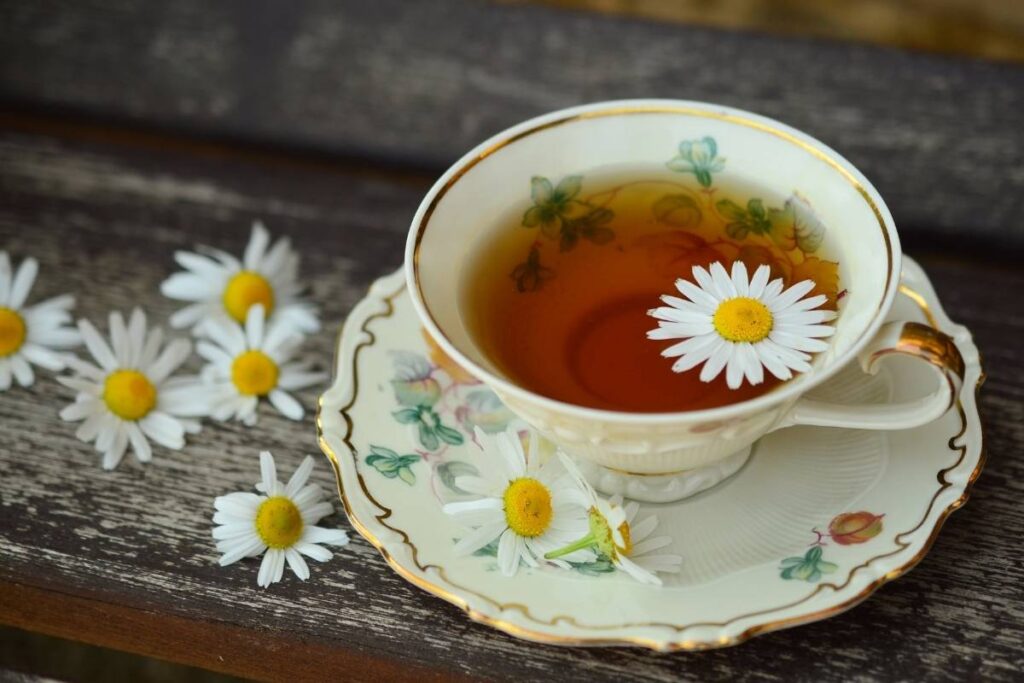
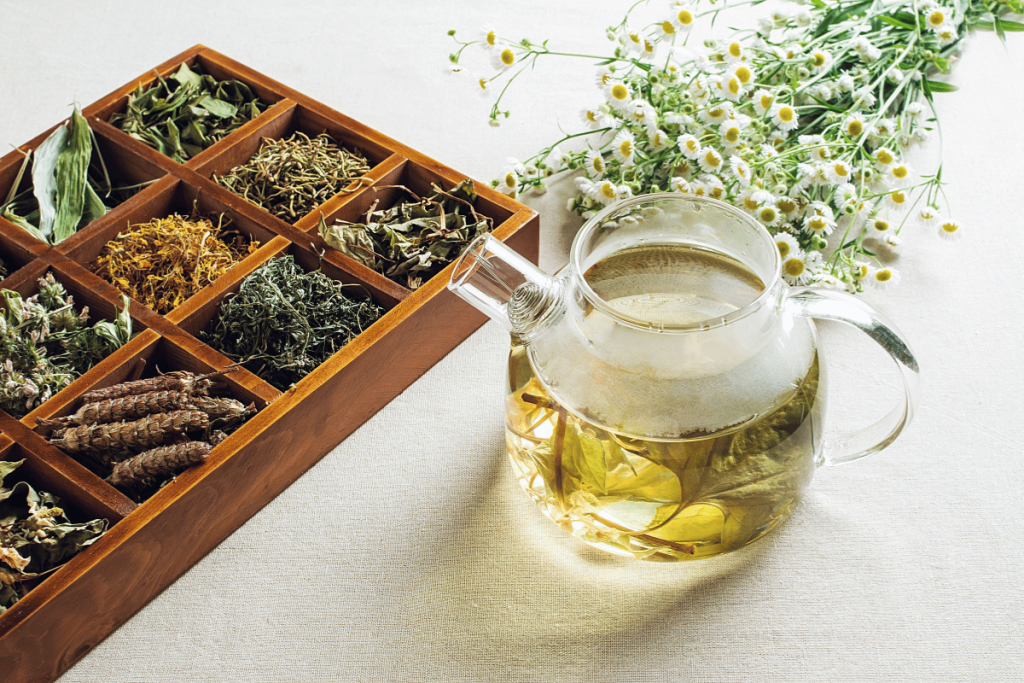
Chamomile tea is a great option for stress-related headaches. It helps the body relax and may ease muscle spasms and pressure in the head. Known for its calming effect, chamomile also supports restful sleep, which plays a key role in preventing headache symptoms.
Feverfew Tea for Migraine Attacks
Feverfew tea has been used in traditional medicine to reduce the frequency and severity of migraine attacks. Its active ingredient works on the blood vessels and inflammatory pathways often involved in migraine pain. While some people find it helpful, research is mixed and limited. It’s important to avoid feverfew if you’re pregnant or taking blood thinners.
Lavender Tea for Calming the Nervous System
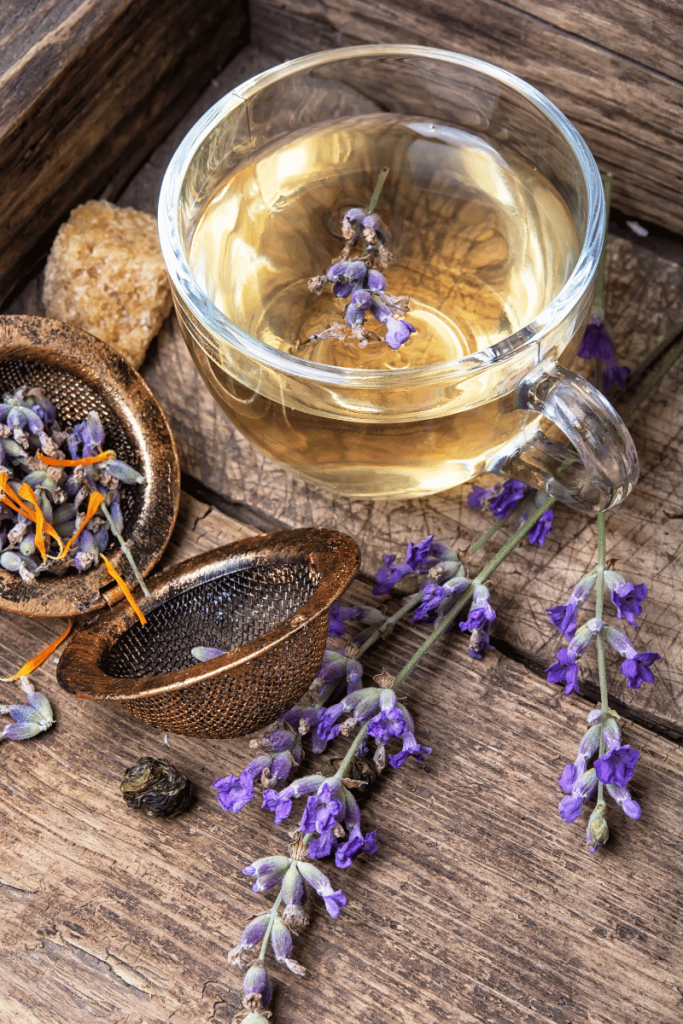
Lavender tea offers both a soothing effect and emotional support. Known for reducing stress and anxiety, it can also calm the nervous system and help ease tension-type headaches. Some people use lavender tea with the inhalation of lavender essential oil for greater results.
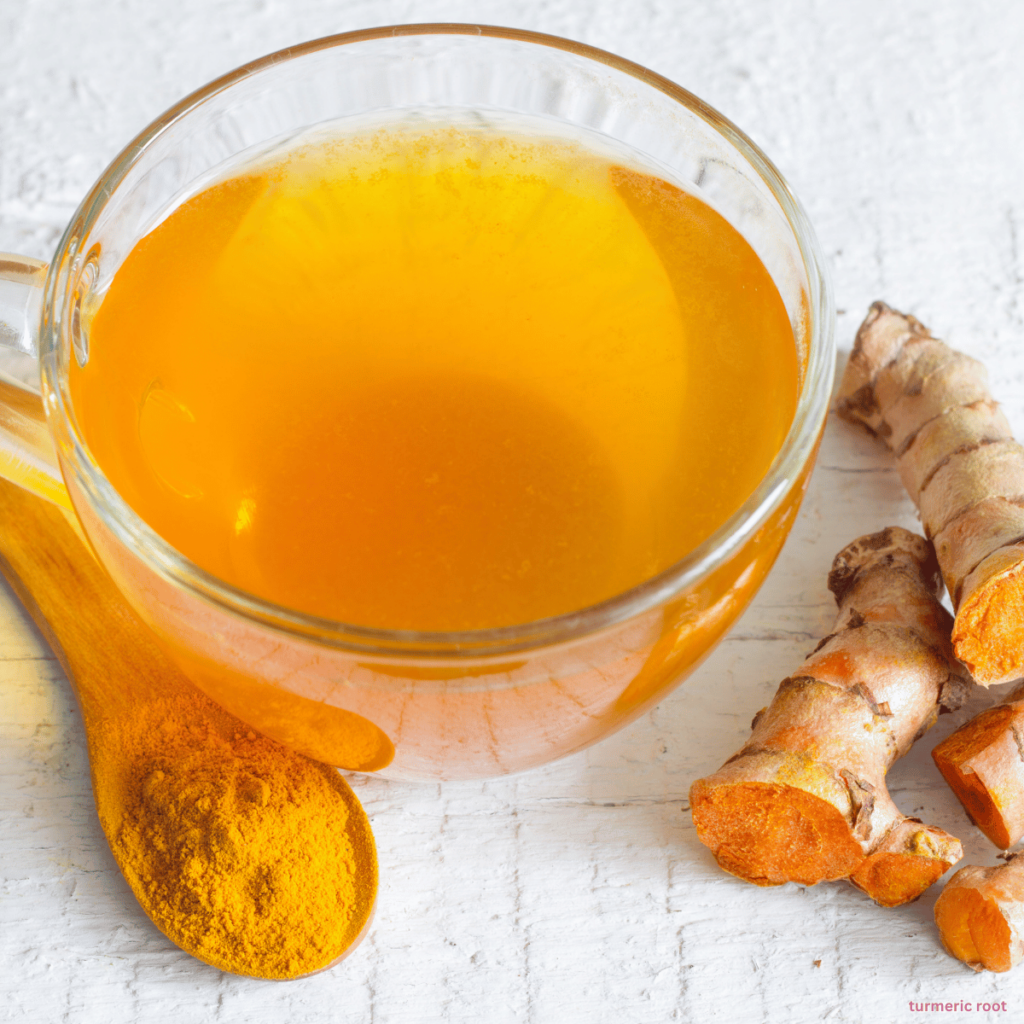
Turmeric Tea for Natural Anti-Inflammatory Support
Turmeric tea contains curcumin, a powerful anti-inflammatory compound. It may help reduce swelling, improve blood circulation, and relieve pain from various types of headaches. Turmeric has long been used in traditional Chinese medicine and continues to show promise in phytotherapy research.
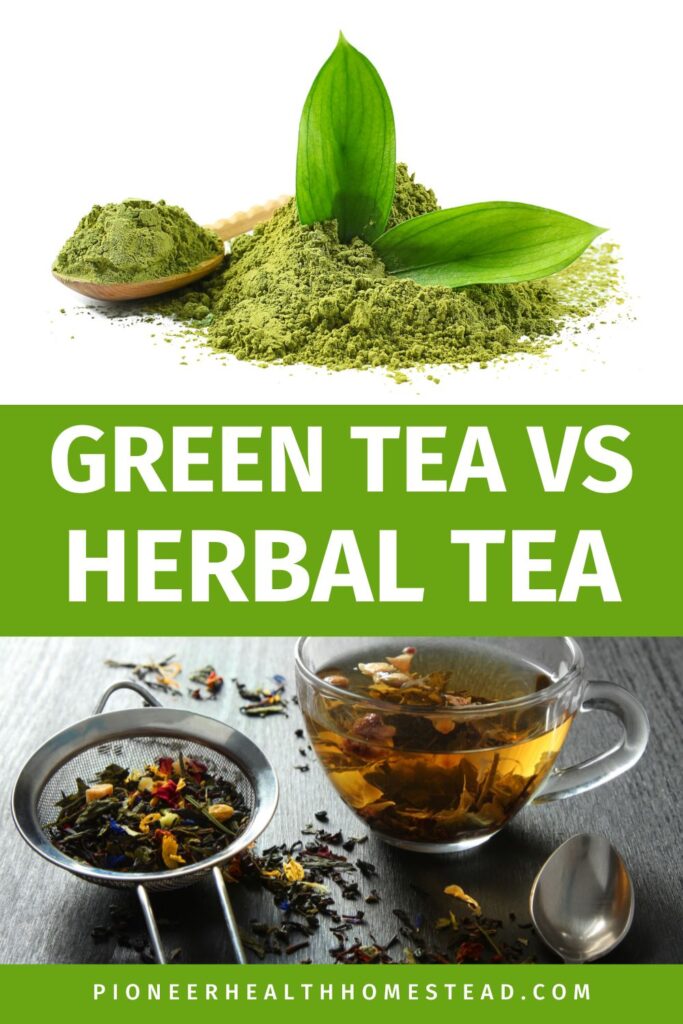
Green Tea and Black Tea for Quick Relief
Green tea and black tea both contain caffeine, which can help with blood vessel constriction and short-term pain relief. These caffeinated teas might offer support during the early stages of a headache. For some, though, they may be a headache trigger. Pay attention to how your body responds.
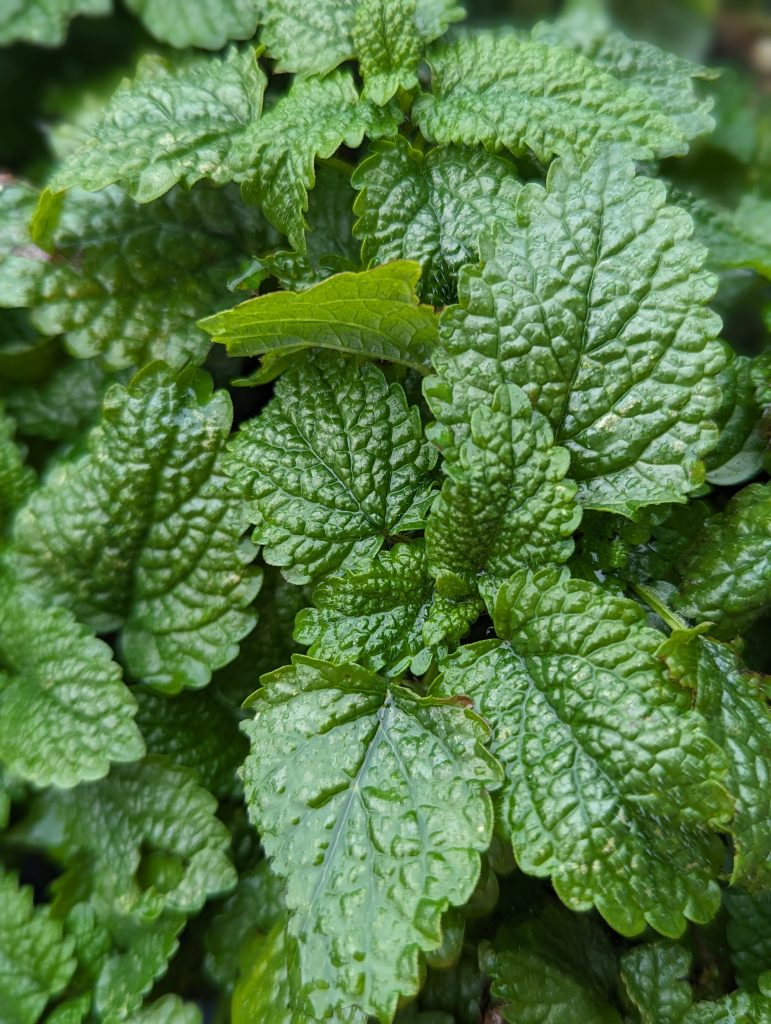
Lemon Balm Tea for Tension and Restlessness
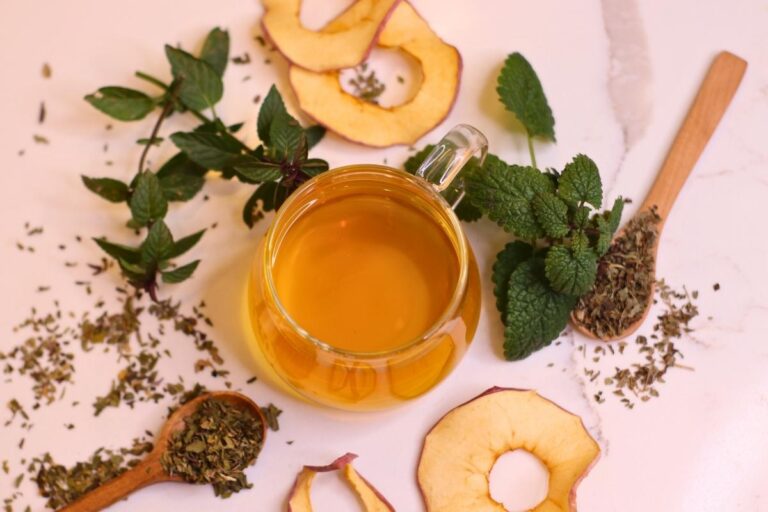
Lemon balm tea has gentle calming properties. It may support the nervous system and ease stress-related symptoms like tension headaches. This tea is often used for mood support and may also help with sleep.
Willow Bark Tea for Severe Pain
Willow bark tea comes from the bark of the willow tree and has been used since ancient times for pain relief. It works similarly to aspirin and may reduce headache pain and lower back pain. It’s best to avoid willow bark if you’re taking blood thinners or other pain medications.
Clove Tea as a Traditional Remedy
Clove tea is used in traditional remedies for pain and inflammation. While there is limited research, its warming and anti-inflammatory properties may support relief from headache symptoms. Use caution if pregnant or sensitive to strong herbs.
In the next section, we’ll explore how combining these herbal teas into blends can offer even more support for natural headache relief.
Tea Blends and Herbal Infusions for Headache Relief
Combining Herbs for Best Results
Using a single herb can be helpful, but blending herbal teas often brings the best results. Each herb supports the body in a different way. When combined, they may work together to ease headache pain more effectively.
Tea Types That Work Well Together
A popular blend for migraine relief includes peppermint, ginger, and chamomile. This mix offers both a calming effect and natural anti-inflammatory properties. Other soothing tea combinations include lemon balm with lavender or turmeric with green tea.
Herbal Infusions for Daily Support
Herbal infusions are a great way to support the immune system and nervous system regularly. They can also reduce the chance of migraine attacks by lowering stress and supporting blood flow.
Choosing High-Quality Natural Ingredients
For best results, always choose teas made from natural ingredients. Look for organic options when possible and avoid artificial flavorings. Freshness matters when using herbal remedies for headache relief.
A Great Way to Build a Routine
Sipping a warm cup of tea each day can become a simple ritual for self-care. Herbal tea blends are a great option to keep on hand as part of your natural remedies cabinet. They’re gentle, effective, and often bring noticeable improvements over time.
In the next section, I’ll share how to get the most from these teas for short-term treatment and long-term relief.

Tips for Using Herbal Teas for Headache Relief
Start at the First Sign of Symptoms
The best time to use herbal tea for headache pain is at the very beginning. A warm cup of tea can ease symptoms before they worsen. For migraine headaches, early support may lead to a significant reduction in severity.
Know the Right Type of Tea
Each type of tea works differently. Some support migraine relief. Others are better for tension-type headaches or stress-related symptoms. Pay attention to how each tea affects your body.
Use Hot Water for a Stronger Brew
Hot water helps draw out the active ingredient in each herb. Let your tea steep for at least ten minutes to get the full benefit. Cover your cup while steeping to hold in the healing oils.
Try Inhalation with Herbal Oils
For added relief, use the inhalation of lavender essential oil or peppermint oil while sipping your tea. This combination may help calm the nervous system and relieve muscle spasms.
Watch for Potential Side Effects
Even natural remedies can have side effects. Herbal teas like feverfew tea and willow bark tea may not be safe for pregnant women or those taking blood thinners. Always check with your doctor for medical advice.
Build a Daily Tea Habit
A daily tea habit is a simple way to support your health naturally. Herbal infusions offer gentle, ongoing care that fits easily into daily activities. Drinking tea regularly may reduce how often you get headaches.
In the next section, we’ll take a look at what the research says about herbal teas and their role in headache relief.

What the Research Says About Herbal Teas and Headache Relief
Clinical Trials and Natural Remedies
Several clinical trials suggest that herbal teas may support headache relief, especially for migraine symptoms and tension-type headaches. Ginger tea, in particular, has shown significant improvements in migraine pain in some studies.
Traditional Use and Anecdotal Evidence
Many of these teas have been used in traditional medicine for centuries. While modern research is still growing, anecdotal evidence and personal experience continue to support their value. Herbal teas remain a trusted natural alternative for those seeking gentle, consistent relief.
Systematic Reviews and Limited Research
Some herbs have been reviewed in systematic research. Others still need more study. There is limited research on lesser-known teas like clove tea or lemon balm. That doesn’t mean they aren’t helpful—it just means more data is needed.
Always Pair with Medical Guidance
Herbal teas can offer short-term treatment and long-term support, but they’re not a replacement for medical treatment. If your headache symptoms change, worsen, or interfere with daily life, always seek medical advice first.
Final Thoughts: Choosing the Best Herbal Tea for Headaches
The best herbal tea for headaches is the one that supports your body and brings you relief in a gentle, effective way. Whether you’re sipping peppermint tea for tension, ginger tea for nausea, or chamomile to unwind at night, herbal remedies are a great way to care for yourself naturally.
Everybody is different. It may take a little experimenting to find the tea that works best for your type of headache. Trust your intuition, listen to your body, and take note of what brings the most relief.
Herbal teas are more than just home remedies. They’re warm, soothing rituals that support the nervous system, promote blood flow, and ease pain—all with natural ingredients you can feel good about.
If you’re looking for a calming way to manage headaches, support your immune system, and create space for rest, herbal teas are a great option to keep on hand.
I hope this guide helps you find the right blend for your needs. And if you already have a favorite soothing tea or natural remedy for headache relief, I’d love to hear about it in the comments.
-
Easy Herbal Conditioner Bar Recipe with Chamomile & Calendula
Easy Herbal Conditioner Bar Recipe with Chamomile & Calendula This herbal conditioner bar recipe combines nourishing oils, cocoa butter, BTMS-50, and vitamin B5 for soft, manageable hair. It also features chamomile-infused coconut oil and calendula-infused olive oil for a special herbal touch. Unlike traditional bottled conditioner, solid conditioner bars are highly concentrated and require very…
-
The Best DIY Honey Foaming Face Wash | Glowing, Healthy Skin
The Best DIY Honey Foaming Face Wash for Glowing, Healthy Skin A Simple, Gentle Daily Cleanser You Can Feel Good About I have tried many cleansers over the years, both as a nurse and a busy mom. However, I kept coming back to simple, nourishing ingredients. This honey foaming face wash has become a favorite…
-
Simple Gentle Liver Detox Tea Recipe (Natural & Nourishing)
Gentle Liver Detox Tea Recipe (Natural and Nourishing) A Simple Way to Support Your Body Naturally As the seasons begin to shift, I often notice my body asking for a slower, gentler reset. After months of heavier foods and busy days, everything can start to feel a little sluggish. Instead of turning to harsh detoxes,…
-
Easy Apple Cinnamon Baked Oatmeal Recipe
Apple Cinnamon Baked Oatmeal Recipe This apple cinnamon baked oatmeal recipe is one of those breakfasts that brings calm to busy mornings. I started making baked oatmeal when I needed something nourishing that could feed my family without extra work. This recipe comes together quickly, uses simple pantry staples, and bakes while the rest of…
-
Herbal Calendula and Chamomile Sugar Scrub
Herbal Calendula and Chamomile Sugar Scrub There is something deeply satisfying about making simple body care products with herbs you already know and trust. Over time, I’ve learned that our skin responds best to gentle, nourishing ingredients, especially when they come straight from the apothecary shelf or pantry. This calendula chamomile sugar scrub is one…
-
Apple Mint and Lemon Balm Calm Tea
Apple Mint and Lemon Balm Calm Tea A Gentle, Comforting Blend for Stressful Days When the day feels a little too loud, or your mind just won’t slow down, apple mint and lemon balm calm tea is one of my favorite ways to create a pocket of peace. As a mom of five and an…