Start Your Home Apothecary: The Essential Beginner’s Guide
A simple, step-by-step guide to help you start your home apothecary, and gather the right tools, ingredients, and confidence to begin herbalism at home.

As a mom of five and a registered nurse, I’ve tried a lot of natural remedies—and learned the hard way that you don’t need to buy out an herb store to get started. That’s why I put this guide together—to help you confidently start your home apothecary using what you probably already have.
Whether you’re preparing to make your first herbal salve, tincture, or tea blend, this post (and the video below) will walk you through the tools and ingredients you need. I’ll also share a few favorite extras that make things easier as you grow your skills.
Save for Later!
🎥 Watch the Video: Herbalism: How to Start Your Home Apothecary
Must-Have Tools to Start Your Home Apothecary
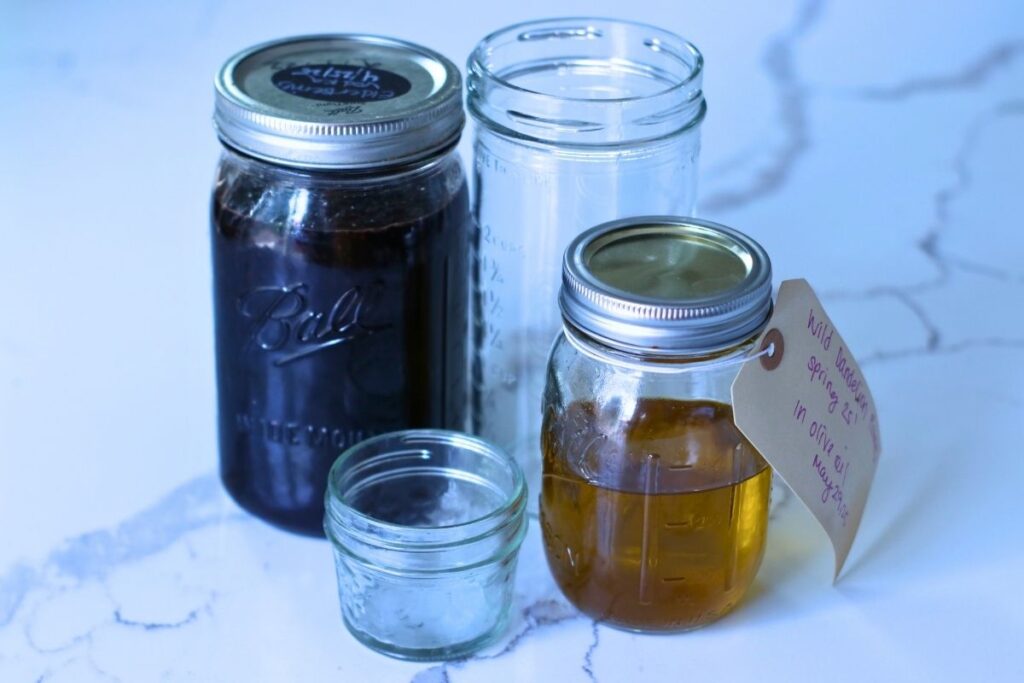
Mason Jars in All Sizes
Mason jars are your go-to containers for infusions, tinctures, salves, and storing dried herbs. I use mine daily. My favorite sizes range from 4 oz to half-gallon (64 oz). You can often find them at thrift shops or estate sales, or even reuse food jars as long as the lid seals tightly and can be sanitized well.
Cheesecloth
This reusable cheesecloth is perfect for straining herbs when making oils or tinctures. Layering it over your mesh strainer helps remove even more plant matter, which can extend your product’s shelf life.

Mesh Strainers
I like to have a few sizes of mesh strainers on hand—smaller ones for tea, larger ones for decoctions and oils. They make cleanup easier and reduce waste.

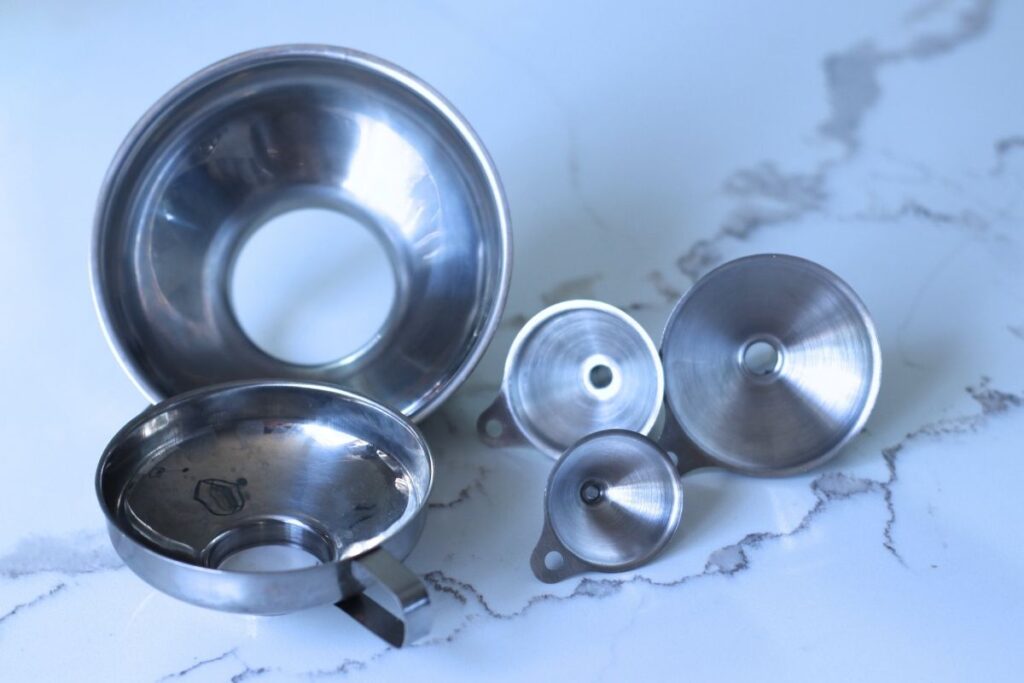
Funnels
Funnels keep your herbal kitchen mess-free. I use narrow ones for liquids and wider ones for transferring dried herbs into jars.
Glass Measuring Cups
Glass measuring cups are a staple for measuring oils, vinegar, and decoctions. I prefer glass because it’s heat-safe, non-reactive, and easy to clean.

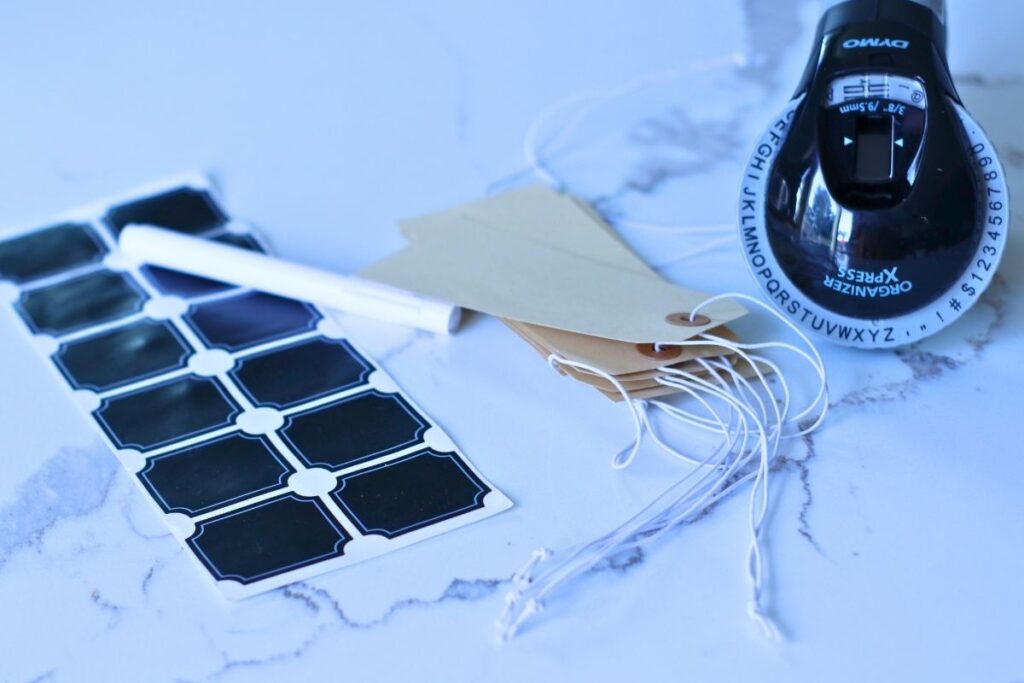
Labels
You must label every jar. I used to use sticky chalkboard labels, but after seeing another herbalist use hanging tags, I switched—and never looked back. They’re easier to reuse and less frustrating to remove.
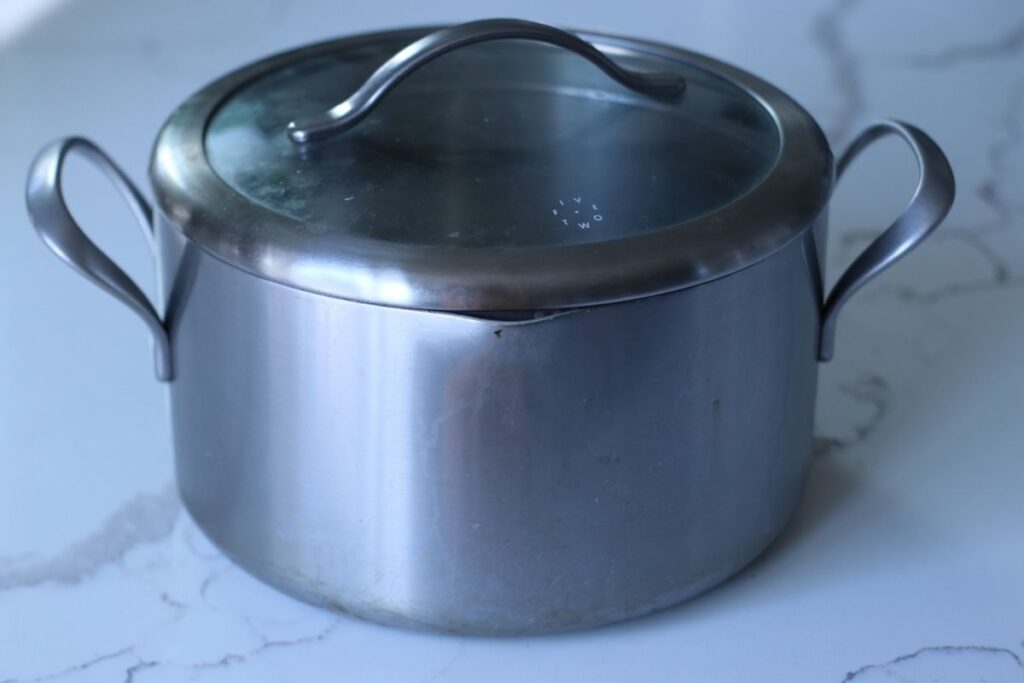
Stainless Steel Stock Pot
Stainless steel stock pots are ideal for making decoctions, broths, and herbal syrups. These is durable, nontoxic, and a worthy investment for your home apothecary.
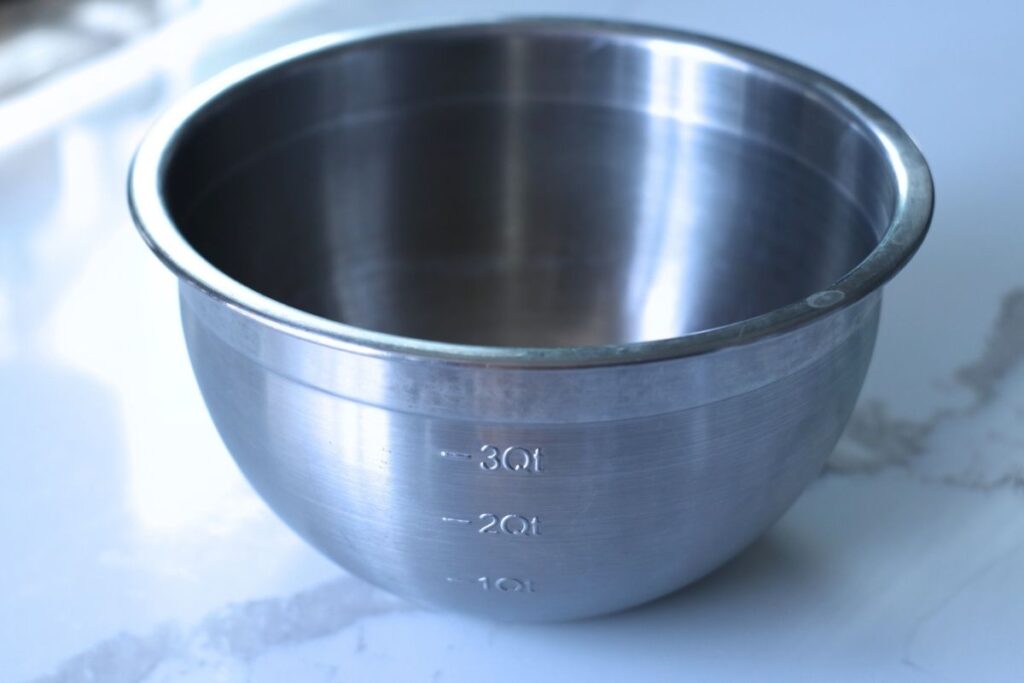
Mixing Bowls
For mixing bowls, opt for glass or stainless steel to prevent plastic from leaching into your herbs. These materials also won’t hold onto strong herbal scents.


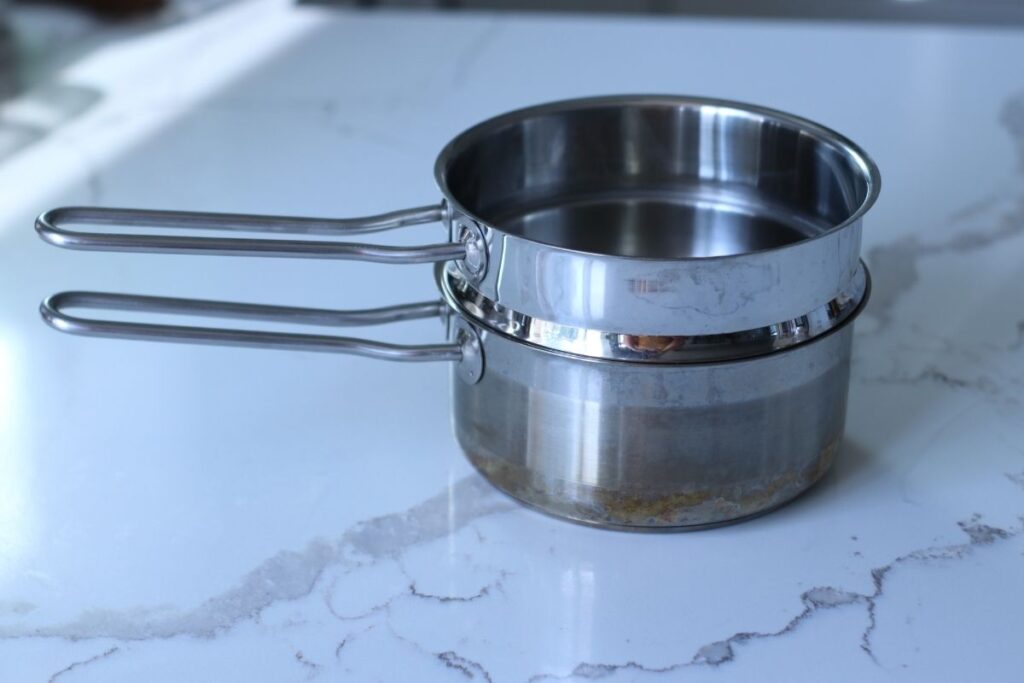
Double Boiler (or DIY One)
If you don’t own a double boiler, you can place a heat-safe glass bowl over a pot of simmering water. You’ll need this for salves, balms, and infusions that shouldn’t be overheated.
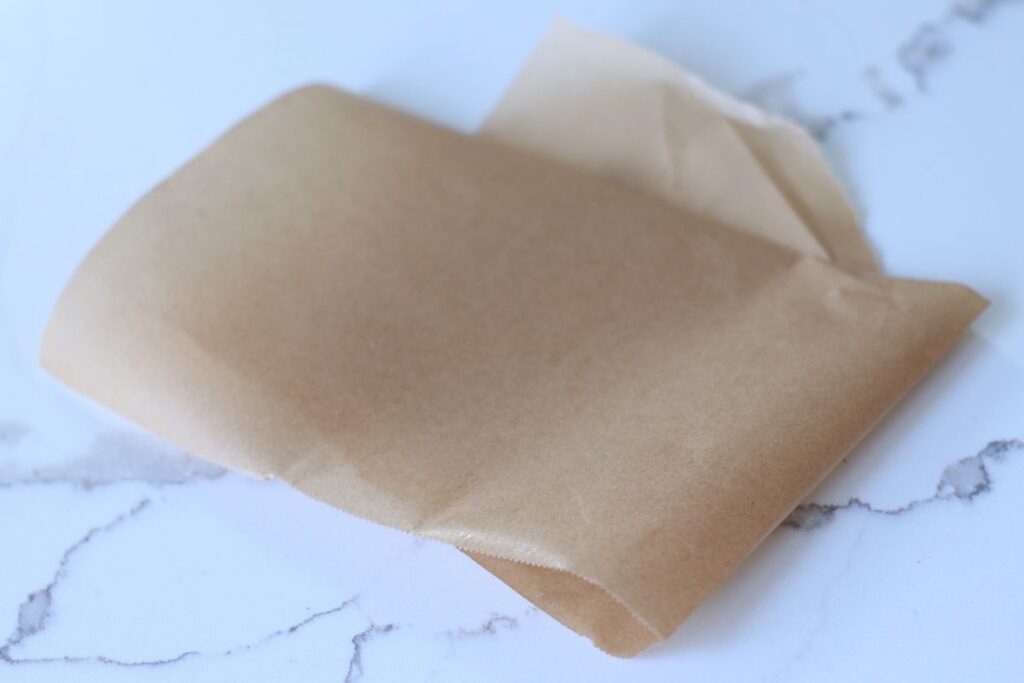
Natural Wax Paper
If you make herbal vinegars like fire cider, natural wax paper is a must to protect your lids from corrosion. It’s also great for lining surfaces or wrapping herbal creations. Older lids may contain BPA, so this adds a layer of safety.
Mixing Spoons
Wooden or stainless steel spoons are ideal. I avoid plastic, especially when working with essential oils or alcohol.

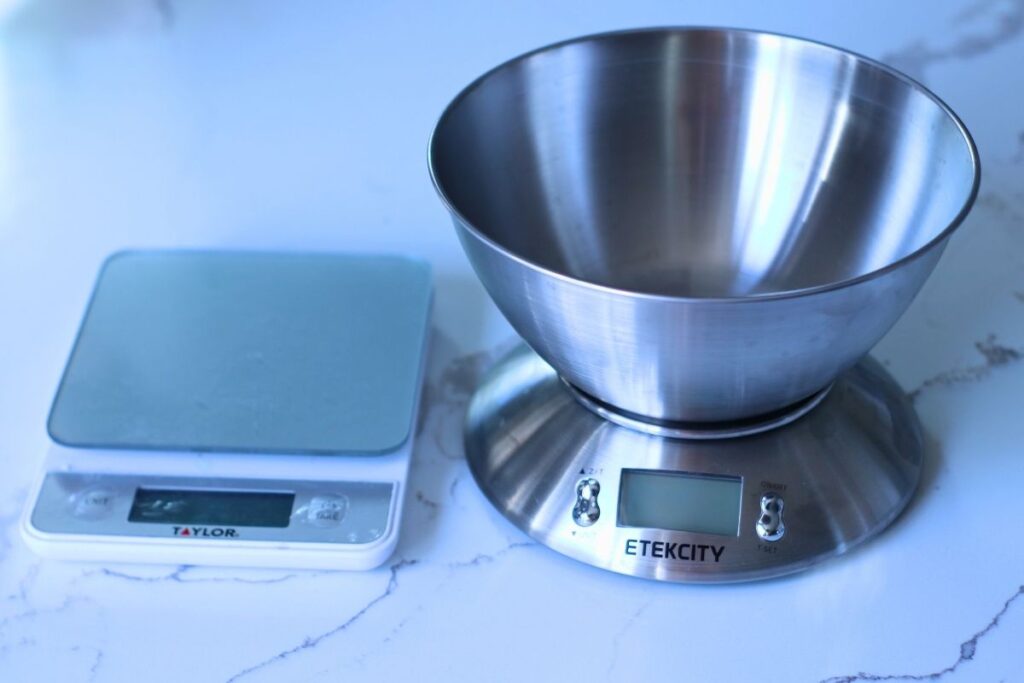
Kitchen Scale
A digital scale brings accuracy to your herbal creations, especially for formulas like tinctures, teas, and soap-making. My new favorite is this scale with a bowl. It makes creating tea blends and more so much easier!
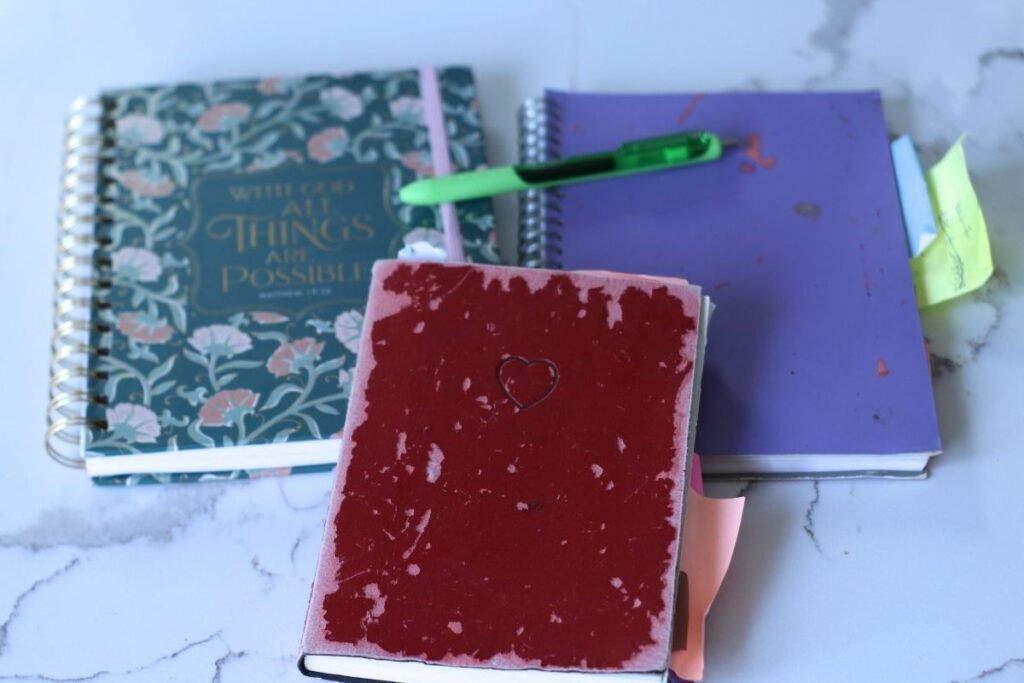
Notebook and Pen
Keep a dedicated herbal notebook where you track your recipes, results, tweaks, and what worked well (or didn’t). You’ll be so glad you did.
Helpful Extras I’ve Grown to Love
Coffee or Nut Grinder
A coffee grinder or nut grinder is perfect for turning dried herbs into fine powders for salves or capsules. If you’re harvesting your own herbs like I do, this tool is a lifesaver for roots, seeds, and tough leaves.

Crockpot
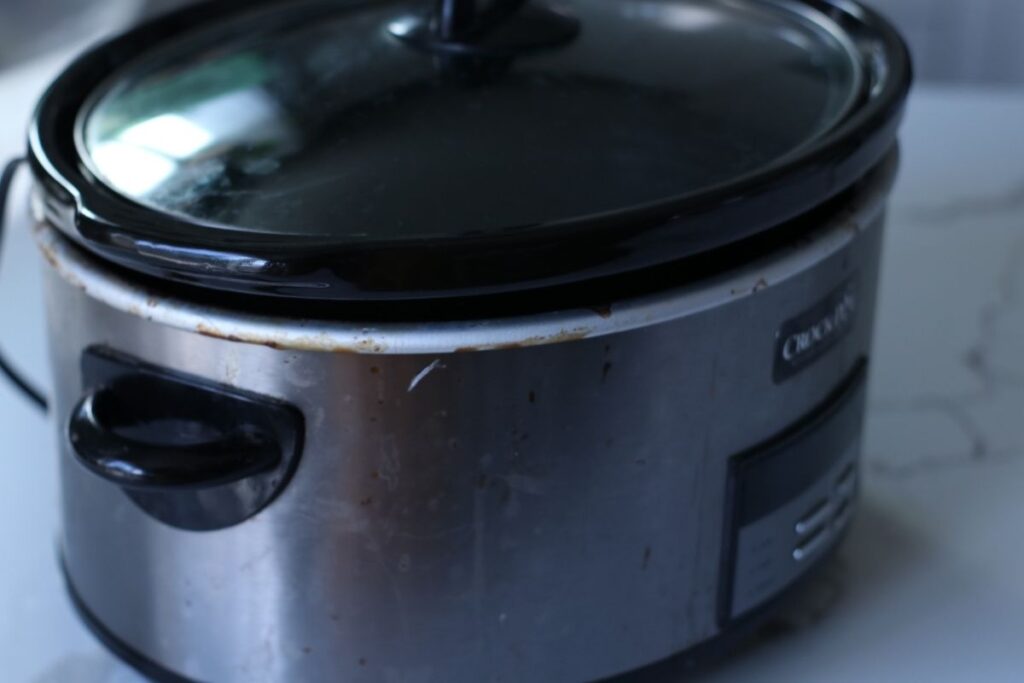
A set-it-and-forget-it way to make slow-infused herbal oils, my crockpot carries its load in my apothecary. I also use mine to make herbal soap. Keep it on the “warm” setting for best results.
Mortar and Pestle
My mortar and pestle is great for bruising herbs before infusing. I especially love using it with seeds like fennel, which benefit from crushing to release their mucilaginous properties.

Measuring Cylinders
When you’re making small batches of tinctures or precise formulations, these help you stay consistent. It’s not necessary at first, but they’re nice to have.

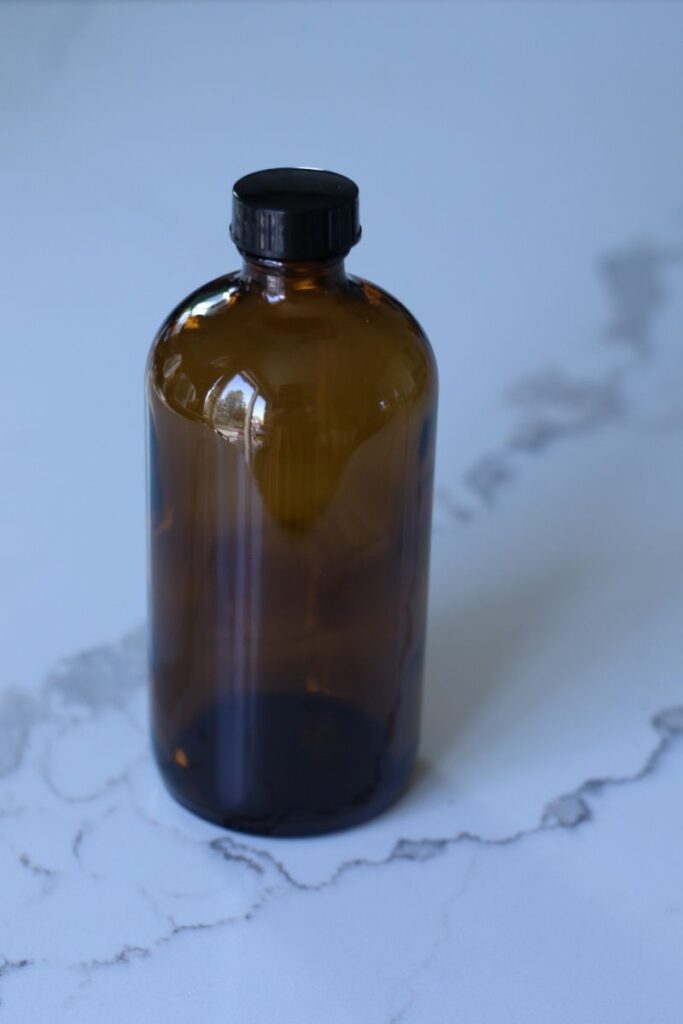
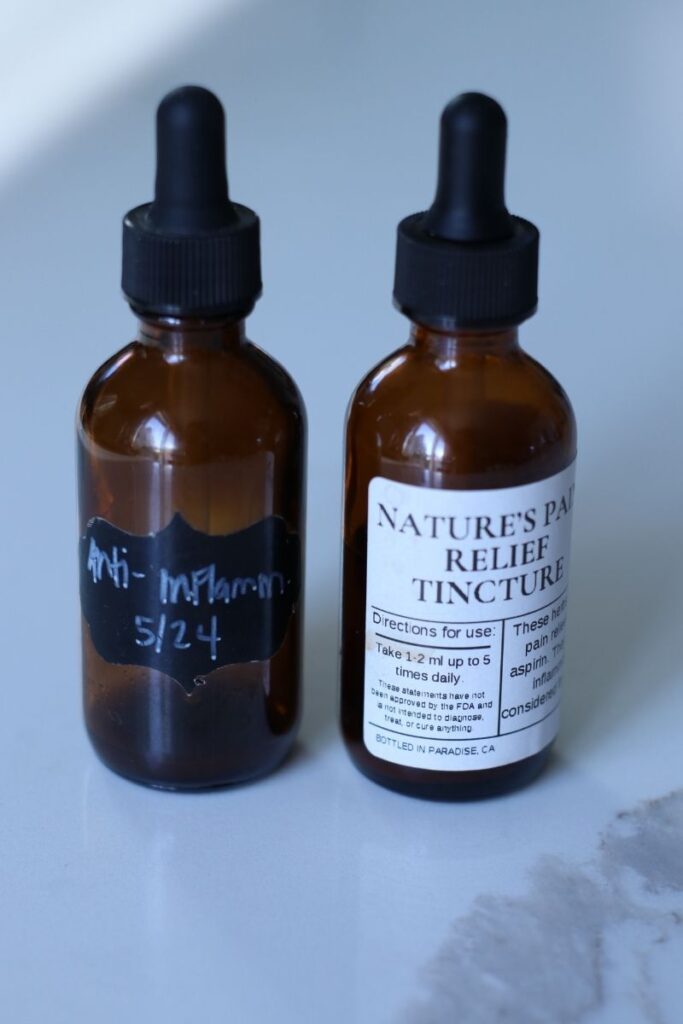
Amber Jars in Different Sizes
These protect your remedies from light and extend shelf life. I started with just mason jars, but amber jars pour easier and feel more “finished” when gifting or storing long-term. Having tincture bottles to use when you start creating your own is essential.
Foundational Ingredients for Your Herbal Pantry
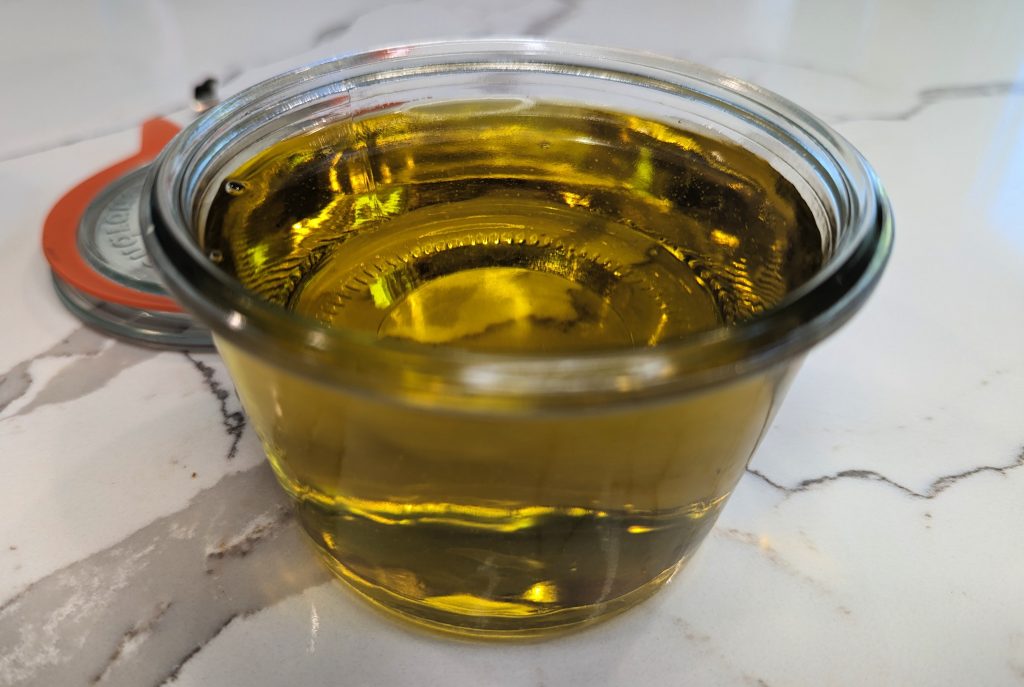
High-Quality Oils
Start with organic oils like olive, avocado, coconut, jojoba, sweet almond, or grapeseed oil. These are your base for almost every skin remedy you’ll make.

Alcohol for Tinctures
Look for vodka or grain alcohol at 80 proof minimum. If you can find 95% alcohol (190 proof), it’s excellent for harder-to-extract herbs—just make sure you learn how to adjust your alcohol-to-water ratio.
Raw Apple Cider Vinegar
A gentle, alcohol-free option for making tinctures and oxymels—especially great for kids or anyone avoiding alcohol. Bonus: raw vinegar is also fantastic for gut health!
Beeswax
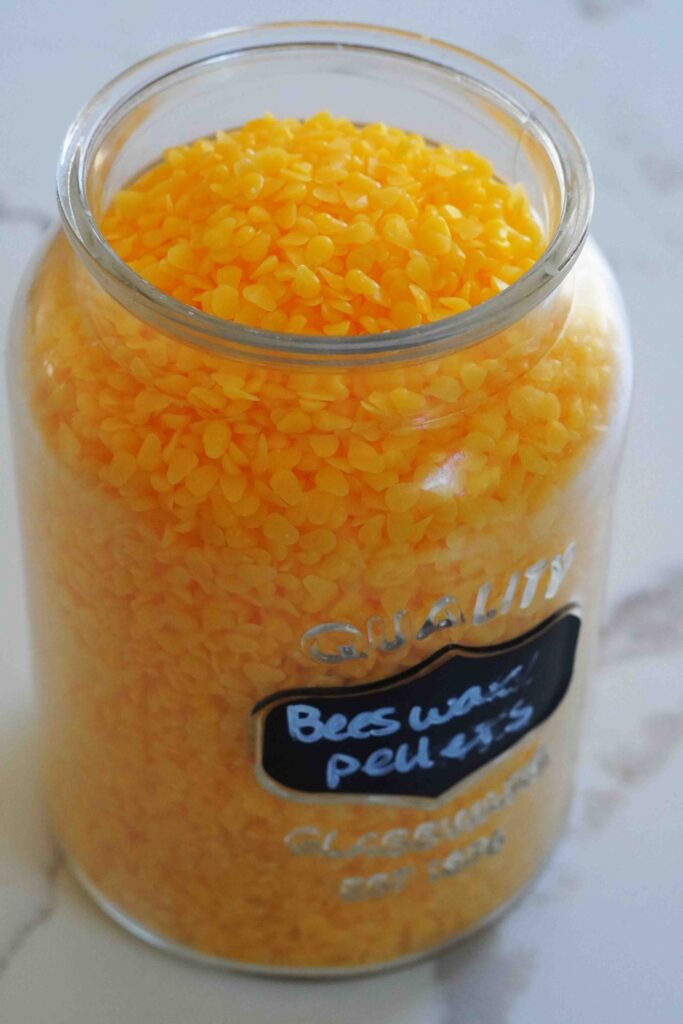
Beeswax transforms infused oils into salves and balms. I recommend sourcing clean, local wax if you can. Pellets are the easiest to work with and melt evenly.
A Few Go-To Herbs
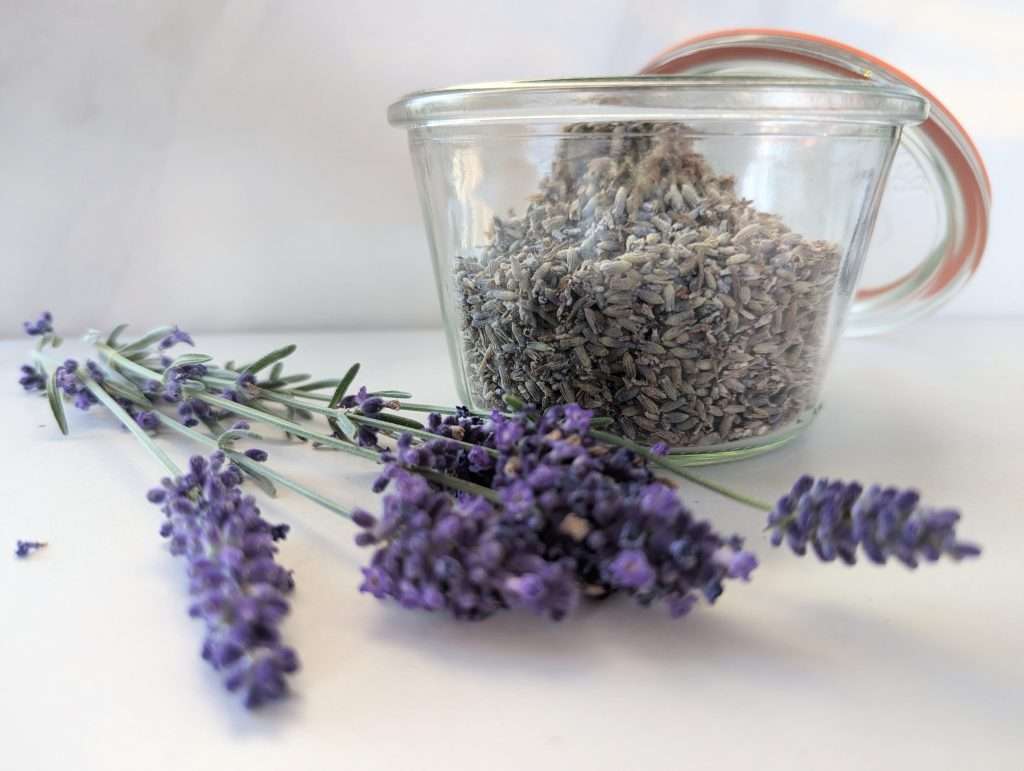
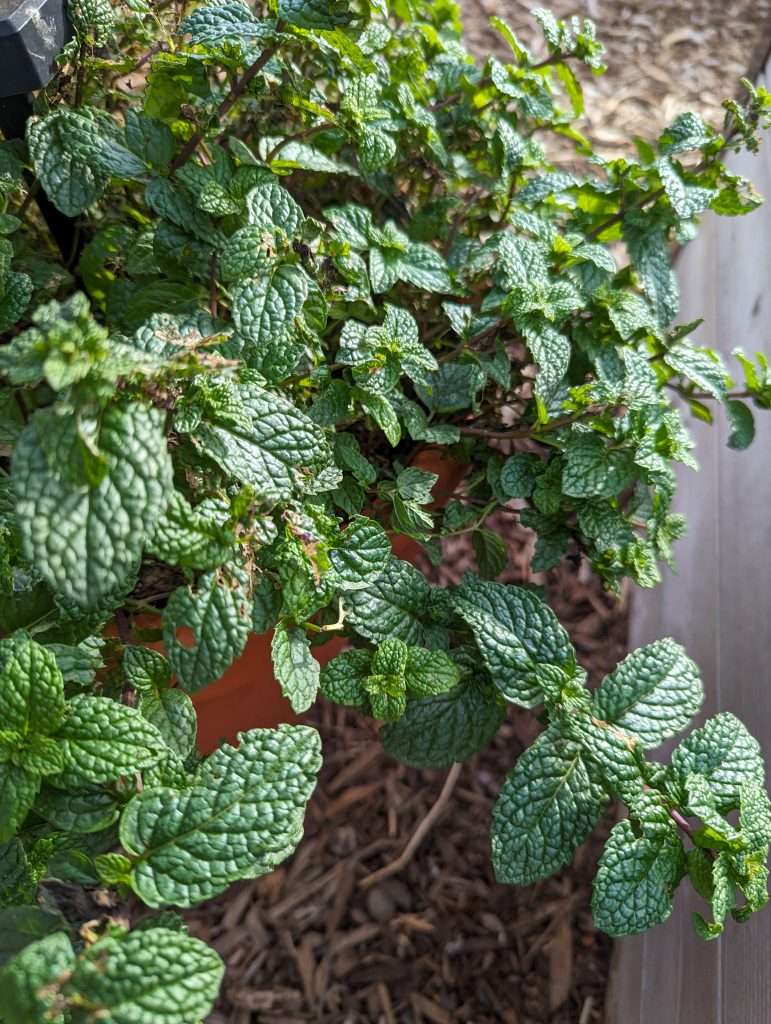
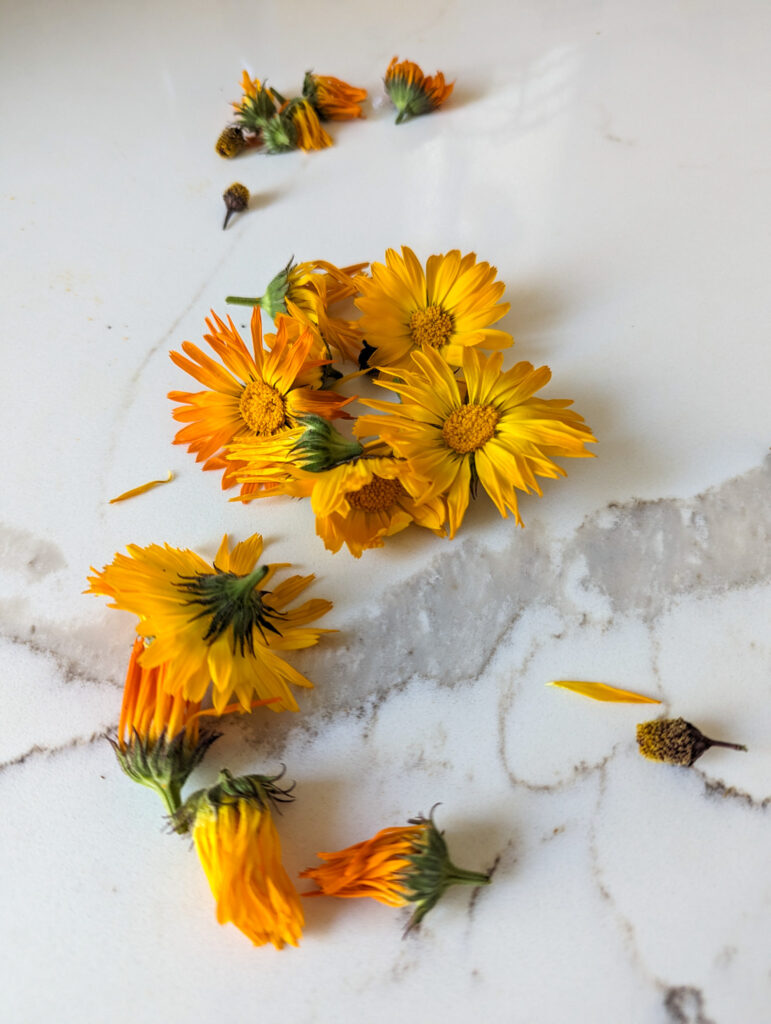
Start with what’s growing around you if possible! Otherwise, I recommend starting with calendula, lavender, chamomile, comfrey, and peppermint. These herbs are gentle, versatile, and used in so many beginner recipes.


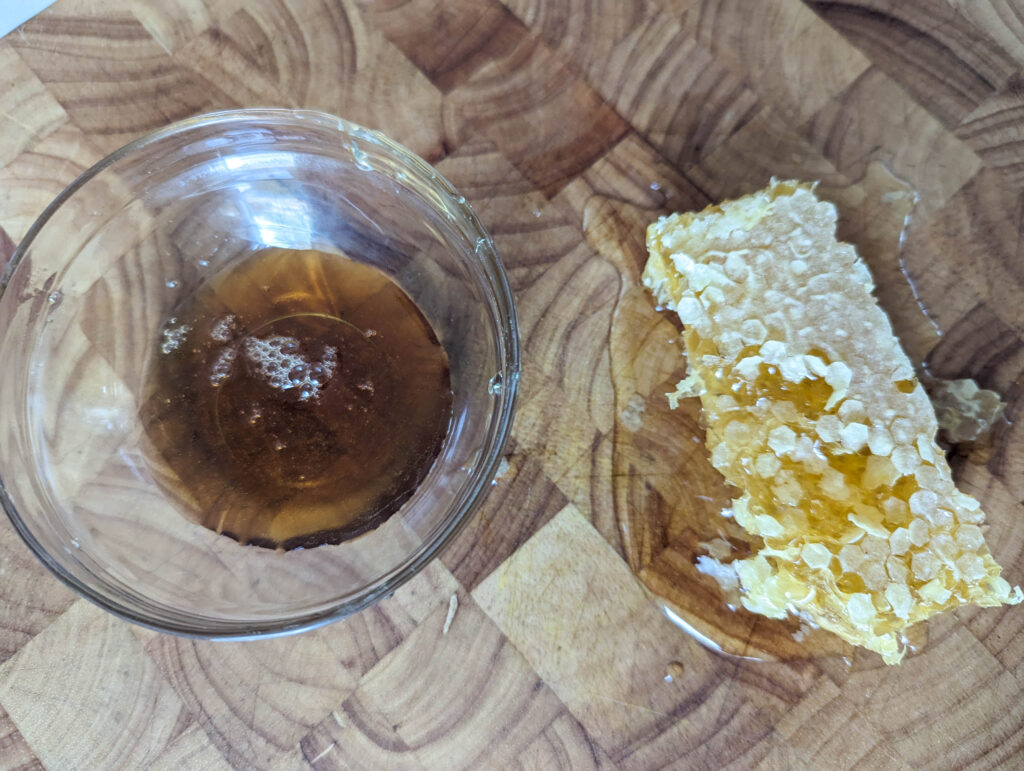
Raw Honey
Raw honey is a beautiful addition to herbal medicine—antibacterial, soothing, and tasty! I use it in skin remedies, cough syrups, and teas.
A Note from My Home Apothecary to Yours
If you’re feeling overwhelmed, please know this: you don’t need to have everything figured out before you begin. I started small—with a jar, a few herbs, and a desire to care for my family more naturally.
Your apothecary doesn’t have to be perfect to be powerful. Let it grow with you. Allow your mistakes teach you. Let your kitchen become your classroom.
And remember, I’m cheering you on every step of the way.

-
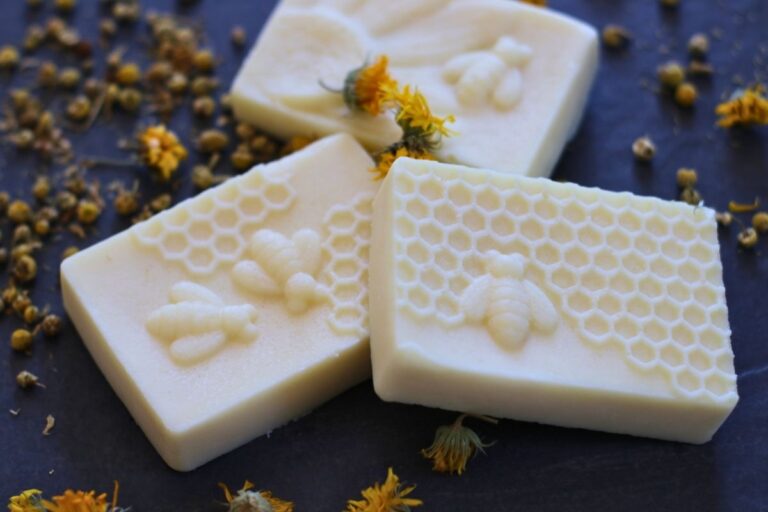
Easy Herbal Conditioner Bar Recipe with Chamomile & Calendula
Easy Herbal Conditioner Bar Recipe with Chamomile & Calendula This herbal conditioner bar recipe combines nourishing oils, cocoa butter, BTMS-50, and vitamin B5 for soft, manageable hair. It also features chamomile-infused coconut oil and calendula-infused olive oil for a special herbal touch. Unlike traditional bottled conditioner, solid conditioner bars are highly concentrated and require very…
-
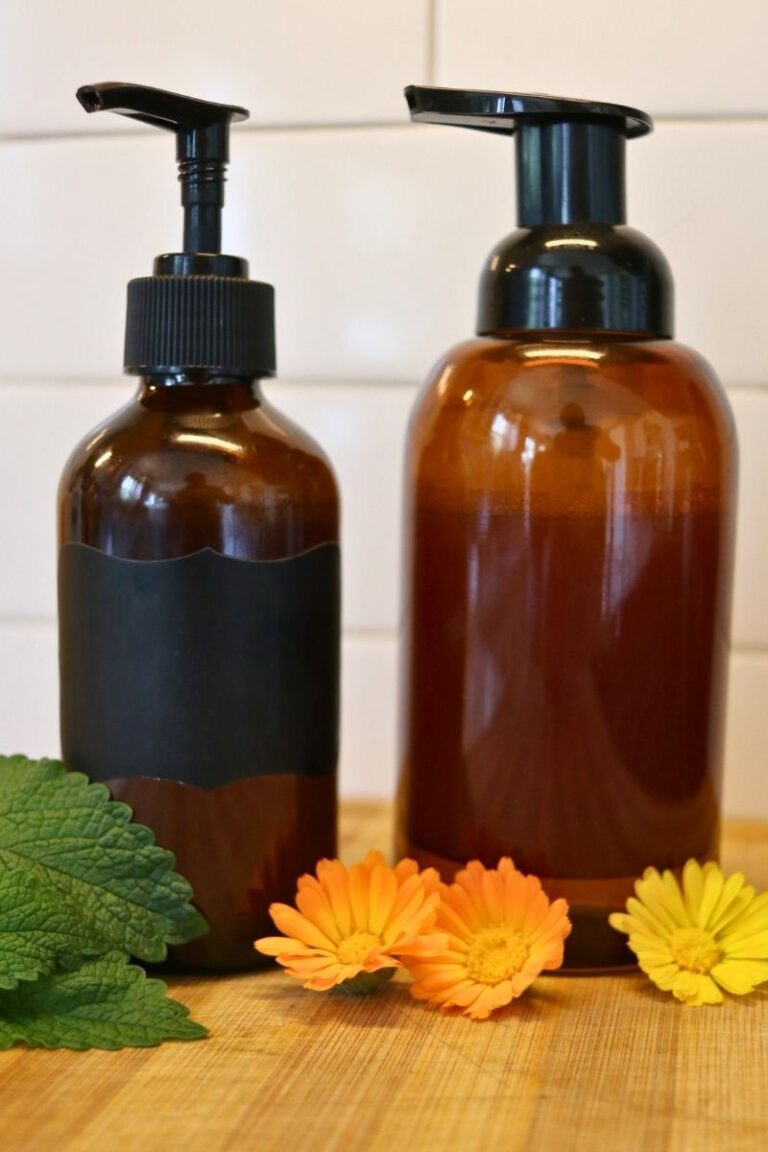
The Best DIY Honey Foaming Face Wash | Glowing, Healthy Skin
The Best DIY Honey Foaming Face Wash for Glowing, Healthy Skin A Simple, Gentle Daily Cleanser You Can Feel Good About I have tried many cleansers over the years, both as a nurse and a busy mom. However, I kept coming back to simple, nourishing ingredients. This honey foaming face wash has become a favorite…
-
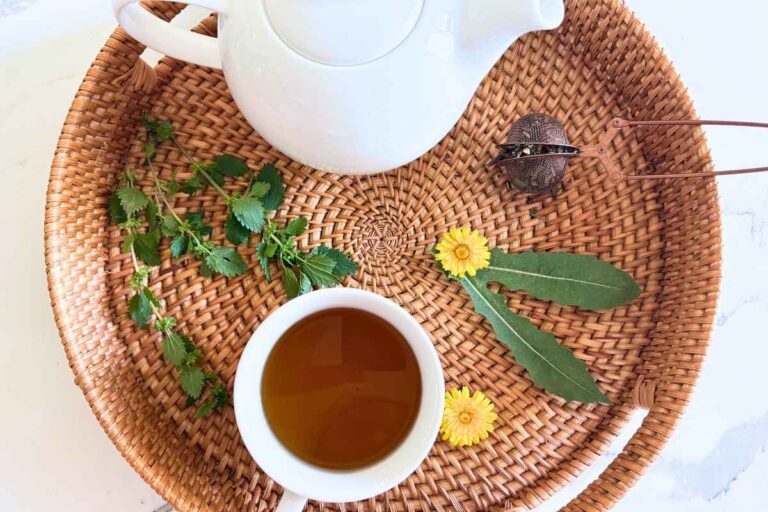
Simple Gentle Liver Detox Tea Recipe (Natural & Nourishing)
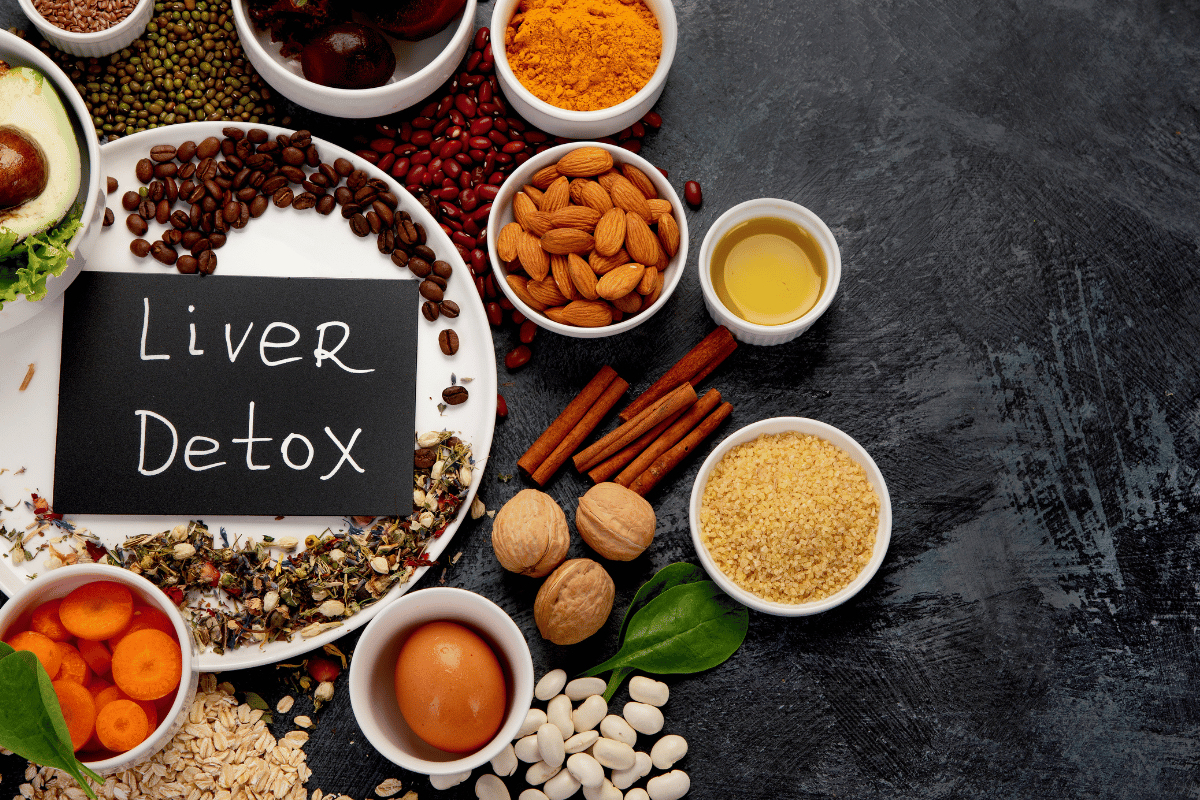
Gentle Liver Detox Tea Recipe (Natural and Nourishing) A Simple Way to Support Your Body Naturally As the seasons begin to shift, I often notice my body asking for a slower, gentler reset. After months of heavier foods and busy days, everything can start to feel a little sluggish. Instead of turning to harsh detoxes,…
-
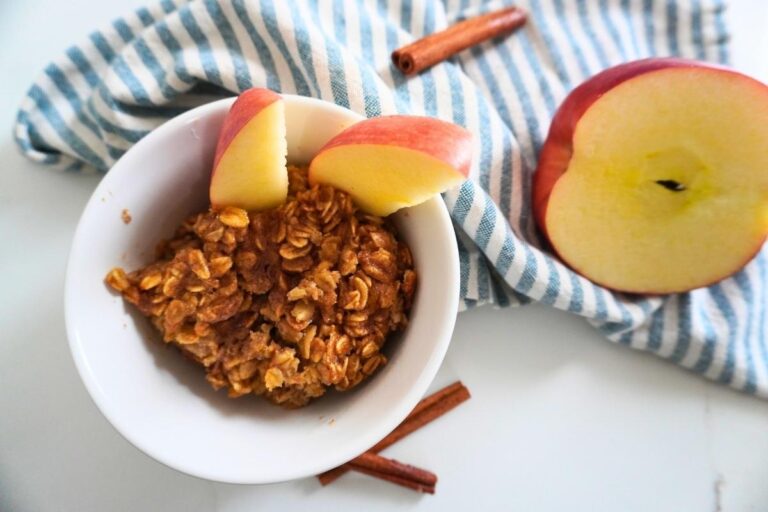
Easy Apple Cinnamon Baked Oatmeal Recipe
Apple Cinnamon Baked Oatmeal Recipe This apple cinnamon baked oatmeal recipe is one of those breakfasts that brings calm to busy mornings. I started making baked oatmeal when I needed something nourishing that could feed my family without extra work. This recipe comes together quickly, uses simple pantry staples, and bakes while the rest of…
-
Herbal Calendula and Chamomile Sugar Scrub
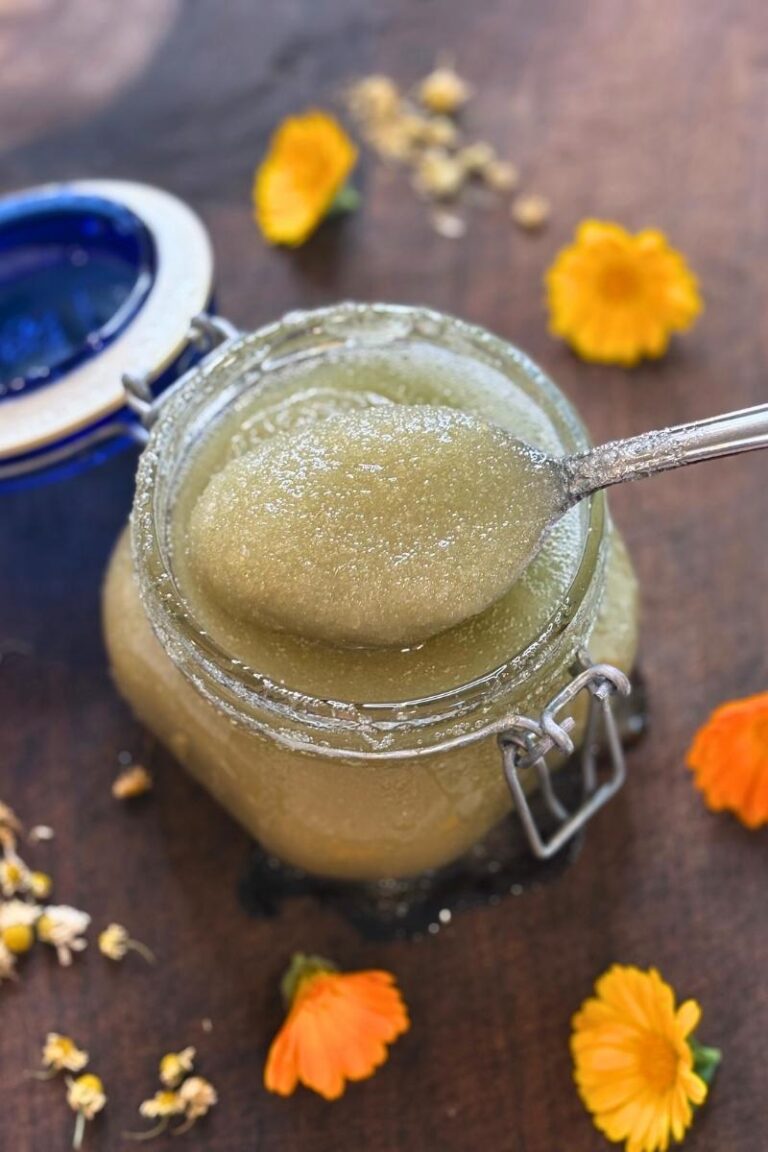
Herbal Calendula and Chamomile Sugar Scrub There is something deeply satisfying about making simple body care products with herbs you already know and trust. Over time, I’ve learned that our skin responds best to gentle, nourishing ingredients, especially when they come straight from the apothecary shelf or pantry. This calendula chamomile sugar scrub is one…
-
Apple Mint and Lemon Balm Calm Tea
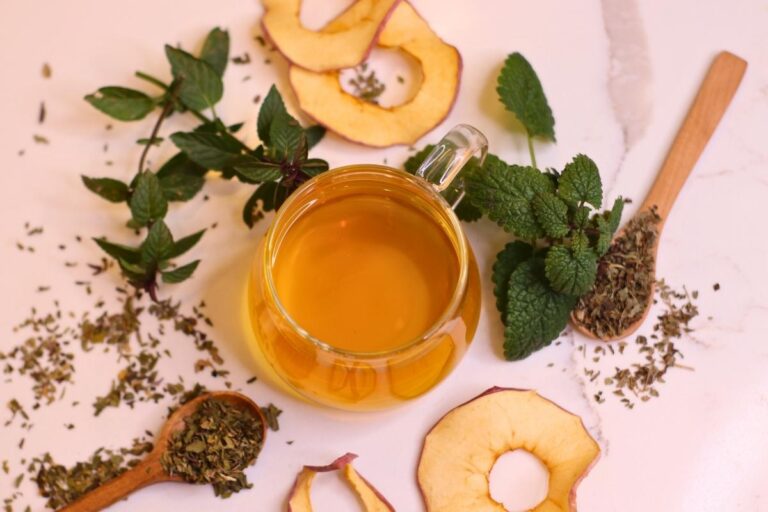
Apple Mint and Lemon Balm Calm Tea A Gentle, Comforting Blend for Stressful Days When the day feels a little too loud, or your mind just won’t slow down, apple mint and lemon balm calm tea is one of my favorite ways to create a pocket of peace. As a mom of five and an…