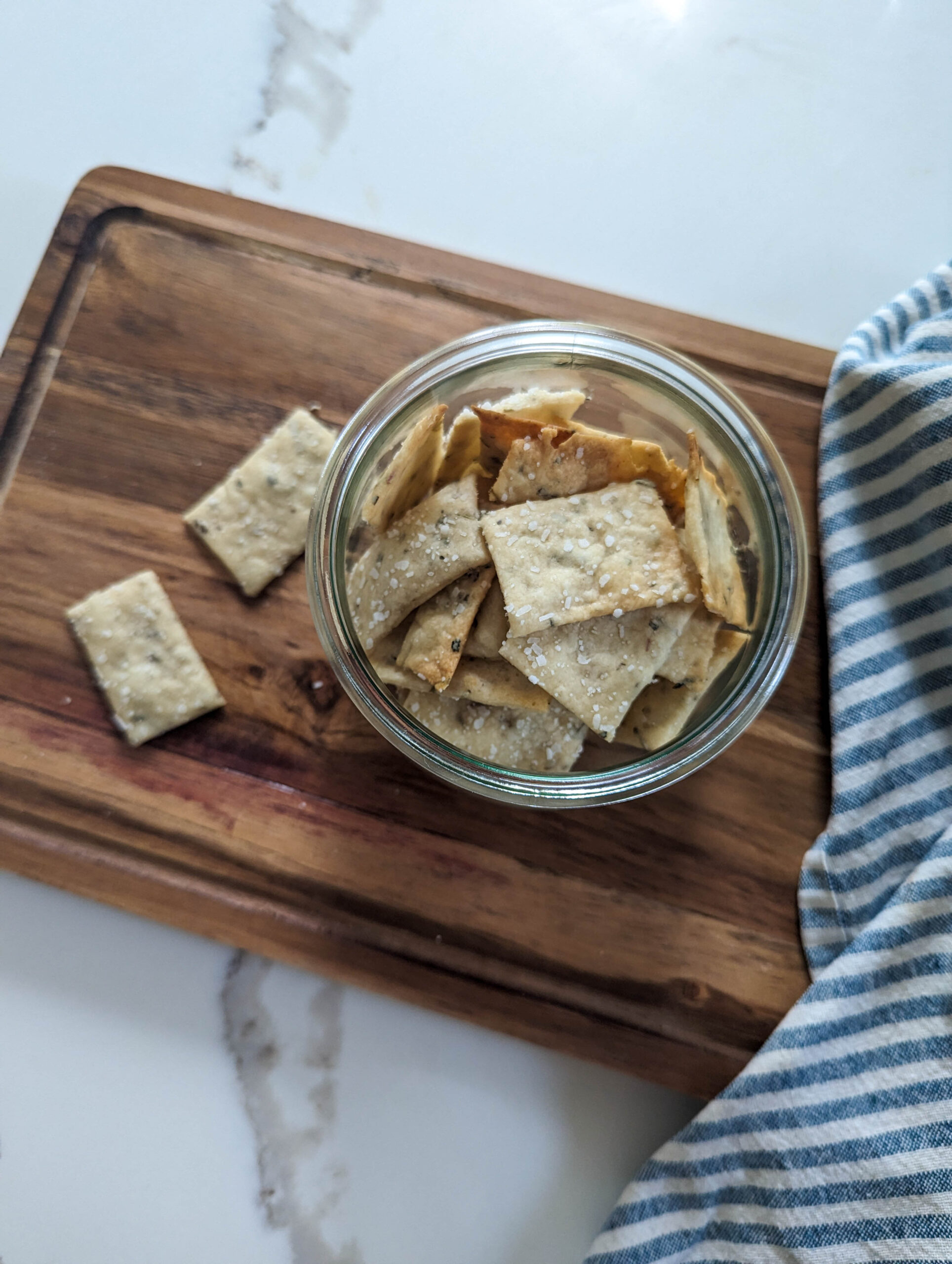
Fresh milled flour changed the way I bake. The bread tastes richer, the muffins are heartier, and I know exactly what is going into the food my family eats. If you have been curious about milling your own flour at home, this guide will walk you through everything a beginner needs to know.
We will cover which wheat berries to buy, hard vs soft wheat, how to store your grain, and how to swap fresh milled flour into the recipes you already make.
Save for Later!
This post may contain affiliate links, which means I may earn a small commission if you choose to purchase through them. It never costs you anything extra, and I only share products I truly use and love in our home. Thank you for supporting my family and the work I do here at Pioneer Health.
What Is Fresh Milled Flour?
Fresh milled flour is flour you grind at home from whole grains, called wheat berries, right before you bake. Nothing is removed. You get the bran, the germ, and the endosperm, which is the whole grain the way it was meant to be eaten.
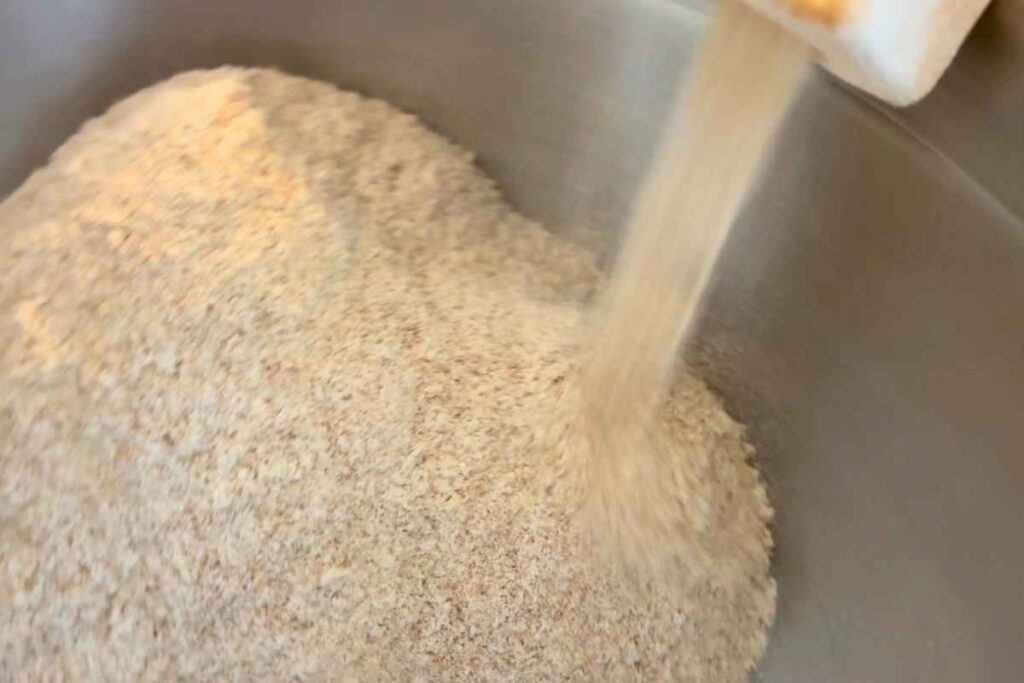
However, most store-bought flour has had the bran and germ taken out so it can sit on a shelf for months. Even most whole wheat flour from the store has been sitting a while. When you mill at home, your flour is as fresh as it can be.
Why I Started Milling My Own Flour
- Flavor. Fresh flour has a sweet, nutty taste that store flour just does not have.
- Nutrition. You keep the whole grain, including the bran and germ.
- Cost. Wheat berries bought in bulk cost less per pound than good quality flour.
- Self-reliance. Whole wheat berries store for years, so a bucket of wheat is a backup plan for your pantry.
Hard vs Soft Wheat: Which One Do You Need?
This is the part that confuses most beginners. The short answer: hard wheat is for bread, and soft wheat is for everything else.
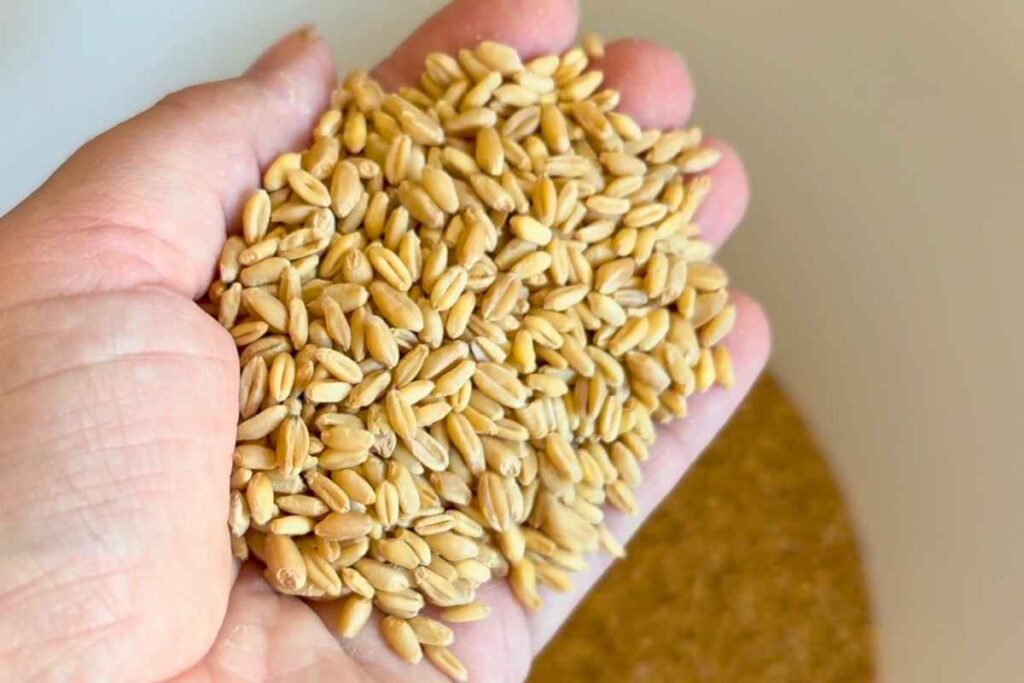
Hard Wheat (for Yeast Breads)
Hard wheat is higher in protein, which builds the gluten that helps bread rise. Use it for sandwich bread, rolls, pizza dough, cinnamon rolls, and sourdough.
- Hard red wheat has a bold, hearty, classic whole wheat flavor.
- Hard white wheat is milder and lighter in color. It is a great place to start if your family is used to white bread.
Soft Wheat (for Quick Breads and Pastries)
Soft white wheat is lower in protein, so it bakes up tender. Use it for muffins, pancakes, cookies, biscuits, pie crust, and cakes. It is what I use in my fresh ground flour muffins.

Other Grains to Try Later
- Spelt is an ancient grain with a sweet flavor that works in both bread and quick breads.
- Einkorn is an ancient wheat with a softer gluten. It bakes differently, so start with recipes written for it.
- Kamut (khorasan) has a buttery, golden flavor and works well in pasta and bread.
My beginner tip: buy one bucket of hard white wheat and one of soft white wheat. Those two will cover almost everything you bake.
Where to Buy Wheat Berries for Fresh Milled Flour
I buy my wheat berries from Azure Standard. They have the best prices I have found anywhere, especially when you buy in 25 or 50 pound bags. Azure delivers to community drop points in many areas, where you pick up your order with other local families.

Besides Azure, you can also find wheat berries at some health food stores, through local farms, or from grain co-ops. Look for berries that are clean, dry, and labeled for milling or human use.
How to Store Wheat Berries for Fresh Milled Flour
Whole wheat berries are one of the best long-term storage foods there is. Stored well, they can last for many years. The key is to keep them cool, dry, and away from bugs and air.
- Food-grade buckets with tight lids (gamma lids make opening them easy)
- Mylar bags with oxygen absorbers inside a bucket for long-term storage
- Large glass jars, like the gallon jars I get from Azure Standard, for the grain you are using now
- A cool, dark, dry spot such as a pantry, closet, or basement
In addition, some families freeze new grain for a few days before storing it to stop any pests. Label every bucket with the type of wheat and the date.
Wheat berries are a big part of my pantry and preparedness plan. Unlike flour, they keep for years until you mill them.
How to Store Fresh Milled Flour
On the other hand, once you mill it, flour starts to lose freshness because the natural oils in the germ are exposed to air. Mill only what you need for the week.
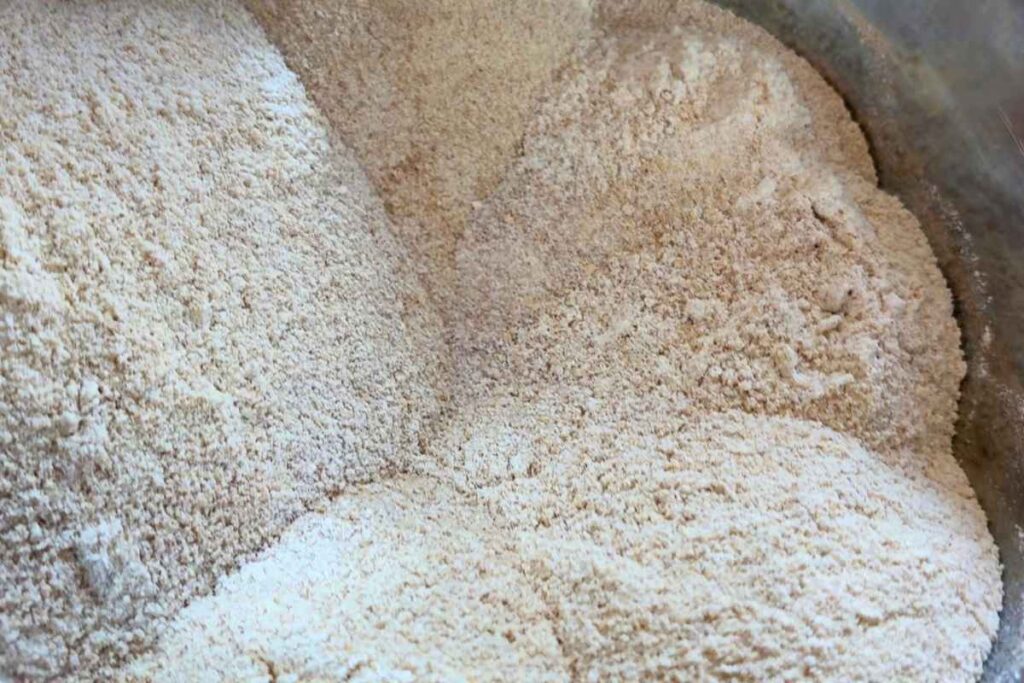
- Use it right away for the best flavor and nutrition.
- Keep it in an airtight container in the fridge for up to about a week.
- Freeze it for longer storage, up to a few months.
Choosing a Grain Mill for Fresh Milled Flour
I use and love my NutriMill grain mill. It is fast, it mills fine enough for soft pastries, and it handles a big batch of flour for a large family. If you bake for a crowd like I do, a good electric mill is worth every penny.
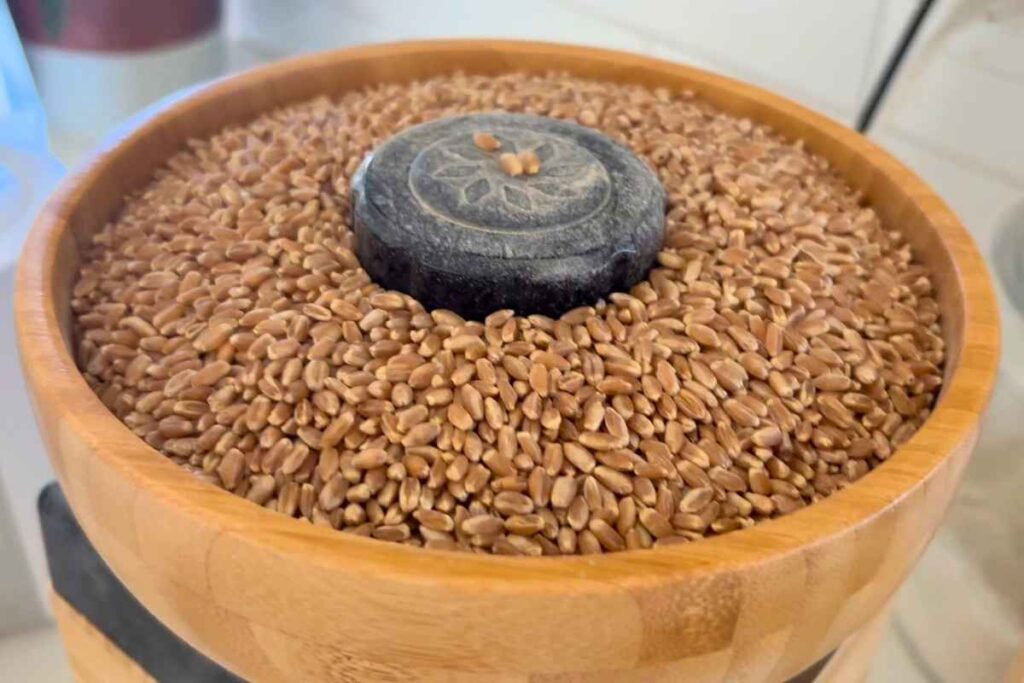
For bread dough, I pair it with my Bosch mixer. Fresh milled flour makes a heavier dough, and the Bosch kneads big batches without straining. You can get both from NutriMill.
NutriMill Black Friday Sale
Right now, NutriMill is having its Black Friday sale through November 30. Use code PIONEERHEALTH for $20 off. The code works on more than just the mill, including the Bosch mixer. Shop NutriMill here.
How to Use Fresh Milled Flour in Your Recipes
Fresh milled flour behaves differently from store flour. Here is what I wish I had known when I started.
- The common rule is to use 1 1/4 cups of fresh milled flour for every cup a recipe calls for. I use an easier method I learned from Lisa Bass of Farmhouse on Boone while watching her videos: for every 1 cup of flour, weigh out 150 grams of wheat berries. Then mill them and use all of that flour as is. No sifting, no extra measuring.
- This works in any recipe, which makes swapping fresh flour into your old favorites so easy. A digital kitchen scale is all you need.
- Let doughs and batters rest 10 to 30 minutes. The bran soaks up liquid slowly, and a short rest gives you a softer crumb.
- Expect a wetter, stickier dough at first. Resist adding too much flour while kneading.
- Start with recipes that are forgiving, like muffins, pancakes, and quick breads, before tackling sandwich bread.
- Need to plan how much grain to buy? 1 cup of wheat berries makes about 1 1/2 cups of flour.
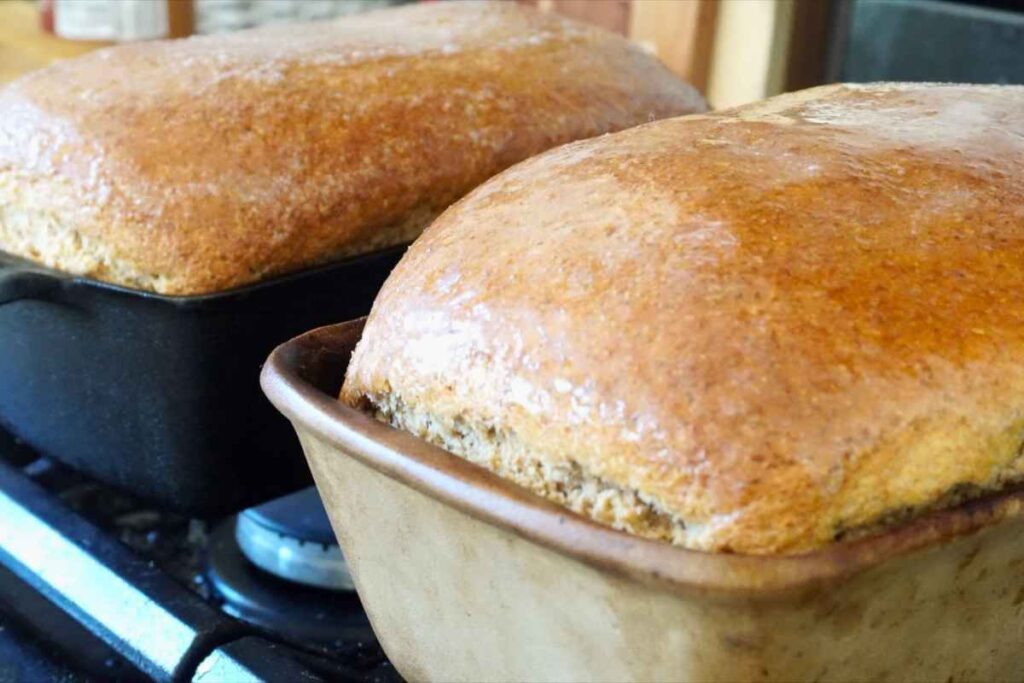
Easy Fresh Milled Flour Recipes to Start With

- Fresh Ground Flour Muffins
- Apple Cinnamon Baked Oatmeal
- Sourdough Discard Herb Crackers
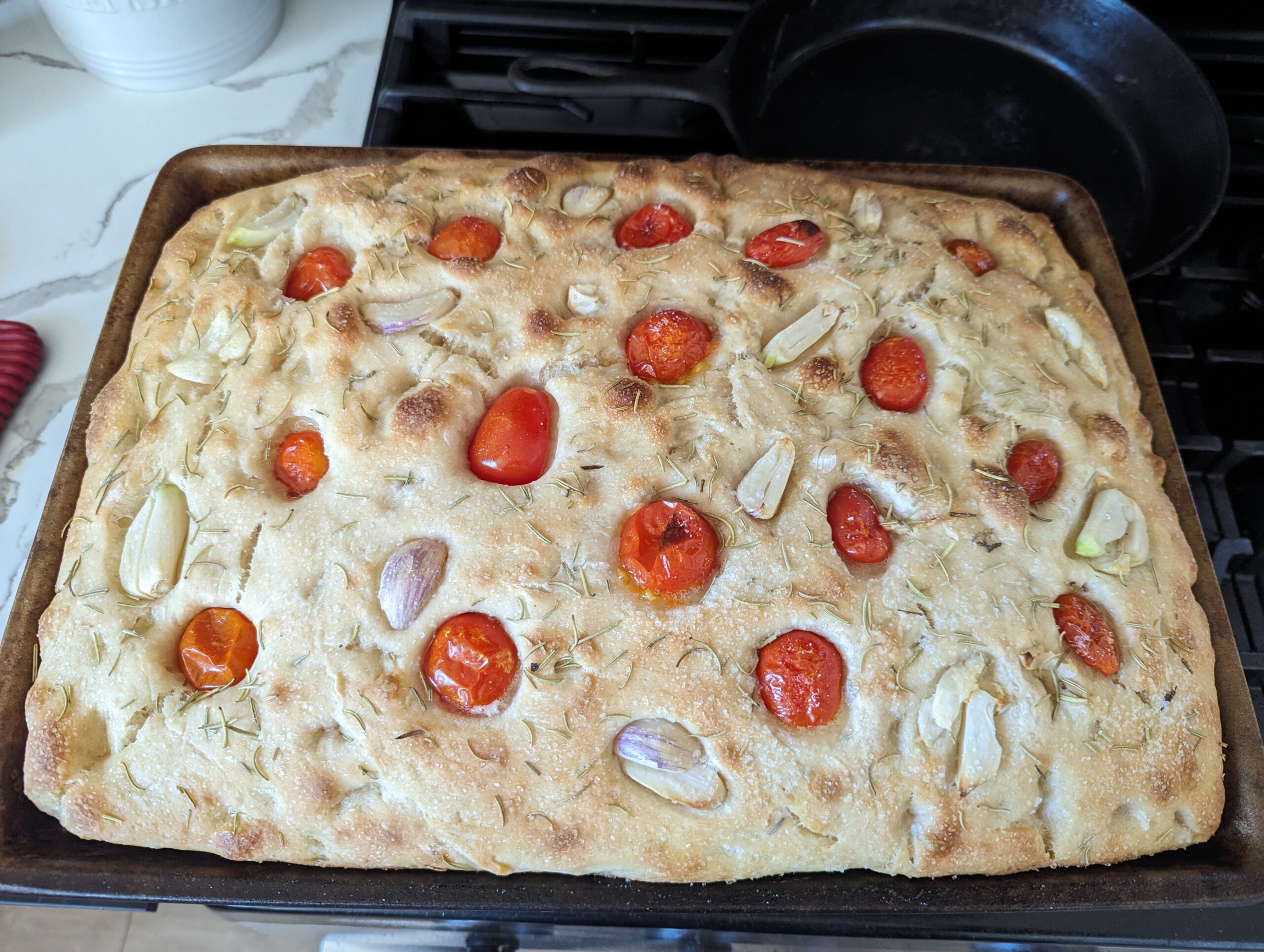
- Simple Sourdough Focaccia
A fresh milled sourdough artisan bread post is coming soon.

My Fresh Milled Kitchen Tools
These are the tools I use in my kitchen every week. If you downloaded my free Fresh Milled Flour Starter Kit, this is the list the QR code brought you to.
- NutriMill grain mill (use code PIONEERHEALTH for $20 off)
- Bosch mixer for bread dough (the same code works)
- Wheat berries from Azure Standard
- Digital kitchen scale for weighing wheat berries
- Large mixing bowls
- Danish dough whisk
- Measuring cups and measuring spoons
- Muffin pan and cooling rack
- Baking pan for focaccia
- Lodge cast iron skillet for Dutch baby pancakes
- Banneton baskets for sourdough loaves with pretty flour lines
- Round parchment paper with handles and a silicone bread sling for Dutch oven baking
- Glass jars for wheat berries and flour
- Airtight containers or buckets for long-term grain storage
- See all my kitchen favorites in my Amazon storefront
Fresh Milled Flour FAQ
Is fresh milled flour healthier?
Fresh milled flour keeps the whole grain, including the bran and germ, which store-bought white flour removes. It is also milled right before you use it, so it has not been sitting on a shelf.
Can I use fresh milled flour in any recipe?
Yes, with a few small changes. Use 150 grams of wheat berries for every cup of flour, let the dough rest, and match the wheat to the recipe: hard wheat for bread and soft wheat for everything else.
How much flour does a cup of wheat berries make?
About 1 1/2 cups of flour, depending on the grain and how fine you mill it.
Do I need a grain mill, or can I use a blender?
Some high-powered blenders can grind small batches, but they make a coarser flour and can wear out quickly. A grain mill gives you a fine, even flour every time.

Start Small
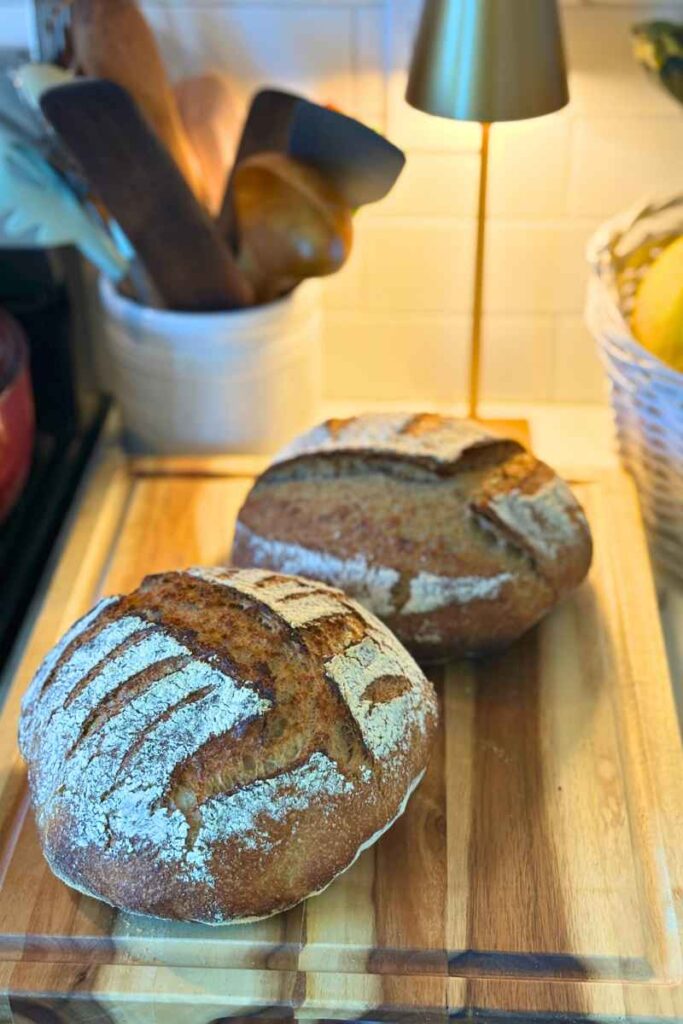
You do not have to change everything at once. Buy one bag of wheat berries, mill a batch, and make muffins. Once you taste the difference, you will want to keep going.
Have questions about getting started? Leave them in the comments and I will help.
-
Easy Peppermint Cocoa Tea Your Kids Will Love
A cozy peppermint cocoa tea that tastes like hot chocolate, with a gift jar version for Christmas.
-
How to Make Chamomile Lavender Tea for Better Sleep
A gentle chamomile lavender tea for bedtime, with tips, add-ins, and a gift jar version.
-
Easy Herbal Tea Recipes for the Holidays (Plus Gift Ideas)
Five easy holiday herbal tea recipes, including an elderberry and rose hip winter tea, plus how to package tea blends as homemade gifts.
-
How to Keep Food Safe in a Power Outage: 3 Simple Lessons
The power went out for 3 days with no generator. Here is how I saved our food, what I canned, and 3 lessons to help your family prepare for an outage.
-
Best Natural Christmas Gifts and DIY Ideas for 2026
Natural Christmas gifts for 2026, including easy DIY ideas, herbal gifts, garden gifts, and cozy handmade presents your family will actually use.
-
Chest Congestion Syrup: My Simple 5-Herb Recipe for Wet Coughs
Chest Congestion Syrup: My Simple 5-Herb Recipe for Wet Coughs This homemade chest congestion syrup is the one I reach for when congestion turns wet and heavy. It’s simple to make in your own kitchen. It uses five herbs, water, and raw honey. When phlegm gets thick and sticky, it’s hard to cough up. That’s…