Simple DIY Natural Laundry Detergent Recipe
Why You Should Make Your Own Natural Laundry Detergent
This DIY natural laundry detergent recipe is a simple way to make your own laundry soap using natural ingredients. Making your own detergent keeps sensitive skin safe from harsh chemicals found in commercial laundry detergents. Using castile soap bars, washing soda, borax, and baking soda creates a gentle yet effective homemade laundry powder. This natural laundry detergent works in HE machines, regular washing machines, and in hot, warm, or cold water. Adding a few drops of essential oils provides a fresh, natural scent while avoiding synthetic fragrances. Making your own laundry detergent is a great way to save money, reduce extra costs, and create a more eco-friendly laundry routine.
Save for Later!
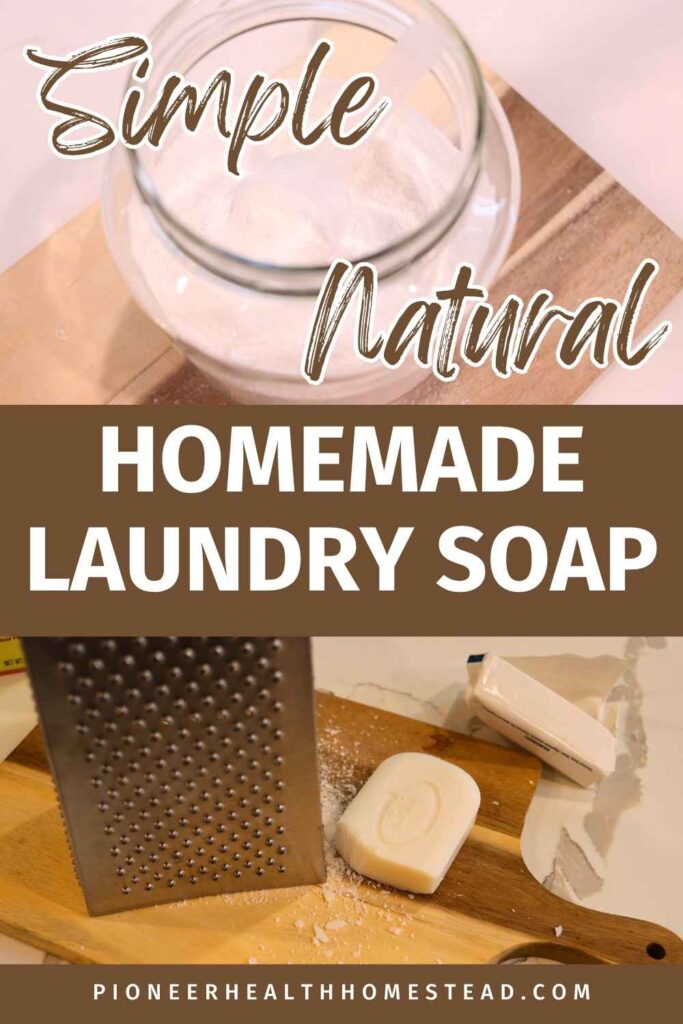
Why Make Your Own Laundry Detergent
Why DIY Laundry Powder is a Natural Option
Store-bought laundry detergents often contain synthetic ingredients that can irritate skin and affect the environment. Creating your own detergent with castile soap bars, washing soda, borax, and baking soda provides a safe, natural option. It is a simple way to reduce the extra cost of commercial detergents while avoiding harsh chemicals. This approach makes clean laundry safer for your family and better for aquatic life.
Harsh Chemicals in Commercial Detergents
Many commercial laundry detergents contain harsh chemicals and synthetic fragrances. These ingredients can irritate sensitive skin or trigger allergies. They may also leave residues on clothing, towels, and bedding. Over time, repeated exposure can increase skin irritation and dryness. By making your own natural laundry detergent, you can avoid these chemicals while still getting clean, fresh laundry.
Gentle Option for Sensitive Skin
Homemade laundry detergent is a safe and gentle alternative. It works well for sensitive skin, baby clothes, and cloth diapers. Families with children benefit from a natural detergent that avoids harsh ingredients. You control every component in your powder, from castile soap bars to essential oils. This allows you to make a laundry detergent that suits your household’s needs perfectly.
Better for the Environment
Commercial detergents often contain chemicals that are harmful to aquatic life. Phosphates and synthetic additives can pollute waterways and harm fish and wildlife. Using a natural laundry detergent reduces environmental impact. It is a safer option for households that want to make eco-friendly choices while keeping clothes clean.
Save Money Over Store-Bought Products
Making your own laundry soap is a great way to save money. Store-bought laundry detergents can be expensive, especially for large families or frequent laundry. A small batch of homemade detergent lasts for many loads of laundry, making it a natural, cost-effective alternative. You can also adjust the recipe to make larger batches for long-term use.
A Personal Laundry Routine Improvement
I started making my own detergent years ago and noticed an immediate difference. My laundry routine became simpler, and my family’s clothes were cleaner and fresher. Reducing exposure to synthetic ingredients gave me peace of mind. The powder is effective, gentle, and reliable, and it has become a staple in my laundry room for keeping clothes clean naturally.
Some of the ingredients and tools I mention in this DIY laundry detergent recipe are linked through affiliate links. If you make a purchase, I may earn a small commission at no extra cost to you.

Ingredients for DIY Natural Laundry Detergent Powder
Castile Soap Bars
Castile soap is the main cleaning agent in this natural laundry detergent. It provides gentle cleaning without harsh chemicals, making it safe for sensitive skin. Castile soap works well on everyday stains and is effective for families with children or cloth diapers. Using a natural soap bar ensures your homemade laundry powder is free from synthetic fragrances and chemical additives often found in commercial detergents. Grating the soap into fine pieces allows it to dissolve easily in hot, warm, or cold water.
Washing Soda
Washing soda is a natural water softener that enhances the cleaning power of your powder. It helps break down dirt, grease, and stains, especially in hard water areas. Washing soda works alongside castile soap to improve overall laundry performance, leaving fabrics clean and fresh. Its inclusion makes this DIY laundry detergent an effective alternative to store-bought detergents with harsh chemicals.
Baking Soda
Baking soda deodorizes clothes and neutralizes odors naturally. It also boosts the cleaning ability of castile soap and washing soda, helping to remove light stains and maintain fabric freshness. Baking soda is gentle on sensitive skin and avoids the need for synthetic fragrances. It is an essential ingredient for making your laundry powder effective while keeping it natural and eco-friendly.

Borax (Optional)
Borax adds extra stain-fighting strength and softens water, making it easier to clean heavily soiled loads. It is optional for those who prefer a gentler detergent, particularly for babies, cloth diapers, or sensitive skin. Borax is a natural mineral that helps lift dirt and enhances the overall effectiveness of your powder, especially when washing in hard water areas.
Essential Oils (Optional)
Adding a few drops of essential oils gives your homemade laundry detergent a fresh, natural fragrance. Tea tree oil, lavender, or lemon are popular options for their pleasant scent and natural antimicrobial properties. Keep the amount small to prevent clumping, and mix thoroughly with the dry ingredients. Essential oils are an easy way to make your powder smell fresh without using synthetic fragrances found in commercial laundry detergents.
How to Make Your DIY Natural Laundry Detergent Powder
Grate the Soap
Start by grating one bar of castile soap using a cheese grater or food processor. Fine shreds dissolve more easily in water. Grating the soap first ensures your homemade laundry powder cleans effectively in hot, warm, or cold water.
Be prepared, this is a true labor of love. I let my children take turns to grade this to get some of their energy out.

Combine the Dry Ingredients
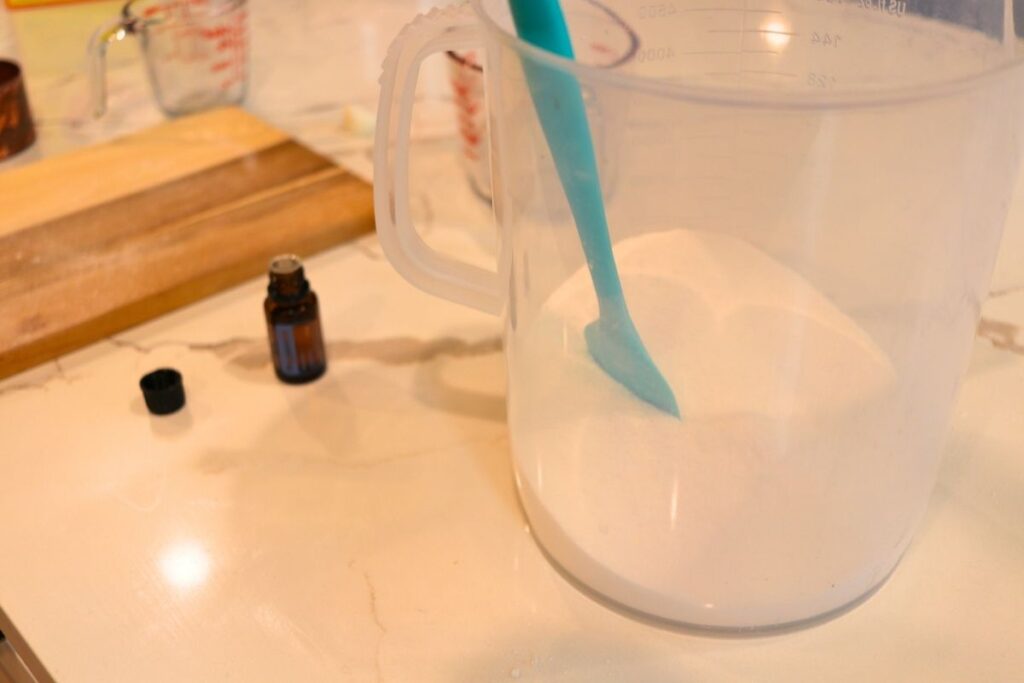
In a large bowl or gallon bucket, mix the grated soap with washing soda and baking soda. If you choose to use borax, add it here. Stir the mixture thoroughly to create an even powder. This combination of natural ingredients makes an effective alternative to commercial laundry detergents.
Add Essential Oils (Optional)
If you want fragrance, add 10–15 drops of essential oils, such as tea tree, lavender, or lemon. Mix carefully to distribute the scent evenly. Using essential oils gives your DIY laundry detergent a fresh, natural fragrance without synthetic chemicals.
Store Your Laundry Powder
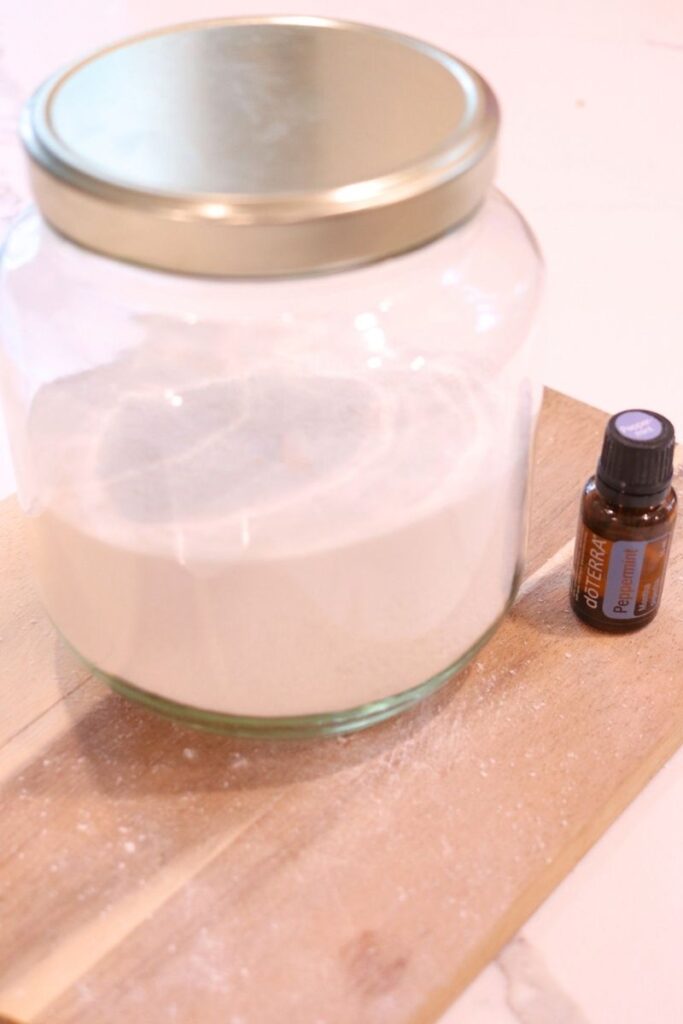
Transfer the mixture into a glass jar or an airtight container. Label it with ingredients and instructions. Storing your powder properly keeps it dry and prevents clumping. This ensures it lasts for many loads of laundry.
How to Use Your Powder
Use two tablespoons per load for regular laundry and three tablespoons for large or heavily soiled loads. The powder works in HE machines and standard washing machines. For extra softness, add half a cup of white vinegar to the rinse cycle as a natural fabric softener. This DIY laundry detergent keeps clothes clean, fresh, and free from harsh chemicals.
DIY Natural Laundry Detergent Powder
Prep Time: 10 minutes
Makes: About 4 cups (enough for 32–40 loads depending on laundry size)
Ingredients
- 1 bar castile soap (grated)
- 1 ½ cups washing soda
- ½ cup baking soda
- 1 cup borax (optional)
- 10–15 drops essential oils (optional)
Instructions
- Grate the castile soap using a cheese grater or food processor.
- In a large bowl or gallon bucket, mix grated soap with washing soda, baking soda, and optional borax.
- Add essential oils if desired and mix thoroughly.
- Store the mixture in a glass jar or an airtight container to keep it dry.
How to Use
- Use 2 tablespoons per regular load.
- Use 3 tablespoons for large or heavily soiled loads.
- Works in HE machines, standard machines, and in hot, warm, or cold water.
- Optional: Add ½ cup white vinegar to the rinse cycle as a natural fabric softener.
DIY Natural Laundry Detergent Powder
Equipment
- Cheese grater Food processor
- A gallon jar or bucket
- A gallon airtight container
Materials
- 1 bar castile soap grated
- 1 ½ cups washing soda
- ½ cup baking soda
- 1 cup borax optional
- 10–15 drops essential oils optional
Instructions
- Grate the castile soap using a cheese grater or food processor.
- In a large bowl or gallon bucket, mix grated soap with washing soda, baking soda, and optional borax.
- Add essential oils if desired and mix thoroughly.
- Store the mixture in a glass jar or airtight container to keep it dry.
Notes
How to Use
- Use 2 tablespoons per regular load.
- Use 3 tablespoons for large or heavily soiled loads.
- Works in HE machines, standard machines, and in hot, warm, or cold water.
- Optional: Add ½ cup white vinegar to the rinse cycle as a natural fabric softener.
Tips and Troubleshooting for DIY Natural Laundry Detergent
Common Mistakes to Avoid
Clumping can occur if your powder is exposed to moisture. Avoid using too much liquid essential oil or storing it in a damp container. Using too much powder in an HE machine can also cause residue. These simple tips help your DIY laundry detergent work effectively every time.
Small Batch or Large Batch
You can make a small batch first to test the recipe and adjust for personal preference. A larger batch is convenient and lasts for many loads of laundry. Store your powder in an airtight container or glass jar to keep it dry and clump-free.
Small Batch Tips and Personal Preference
Making small batches lets you test your own homemade laundry detergent and adjust ingredients. Some people prefer more baking soda for deodorizing or a few drops of essential oils for fragrance. Adjusting the recipe to your laundry routine ensures you get the best cleaning power while keeping your powder gentle and natural.
Using Your Powder for Different Laundry Needs
This DIY laundry soap works in HE machines, regular washing machines, and with cold, warm, or hot water. For heavily soiled loads, add a little extra powder. Wool dryer balls or a small amount of white vinegar in the rinse cycle can naturally soften fabrics. You can also use this detergent on cloth diapers or delicate fabrics without worrying about harsh chemicals or synthetic fragrances.

Adjusting for Hard Water
If you have hard water, washing soda helps soften it and improve cleaning performance. Adding borax is optional but provides extra water-softening and stain-fighting power for heavily soiled laundry.
Sensitive Skin and Cloth Diapers
This laundry powder is gentle and safe for sensitive skin. Skip the optional borax for an even milder version. It is effective for cloth diapers, baby clothes, and items for family members with skin sensitivities.
Using Liquid Ingredients Separately
Some natural ingredients work best when added directly to the wash or rinse cycle. Add white vinegar during the rinse cycle as a natural fabric softener. Hydrogen peroxide can boost whitening for whites if added to the wash. Essential oils are added sparingly to the powder for fragrance, but liquid oils should not be added directly to the dry mixture to prevent clumping.
Tips for Best Results
Use two tablespoons of powder for regular laundry and three tablespoons for larger or heavily soiled loads. This DIY laundry detergent works in HE machines, standard machines, and in hot, warm, or cold water. For added softness and reduced static, consider using wool dryer balls in the dryer or a few drops of essential oils.
Final Thoughts
Making your own DIY natural laundry detergent is a simple, effective way to clean laundry without harsh chemicals. This homemade laundry powder works in HE machines, regular washing machines, and in hot, warm, or cold water.
Using castile soap bars, washing soda, baking soda, and optional borax creates a gentle detergent safe for sensitive skin, cloth diapers, and families with children. Adding a few drops of essential oils provides a natural fragrance while avoiding synthetic fragrances in commercial laundry detergents. Making your own laundry soap is a natural option that saves money, reduces extra costs, and supports a more eco-friendly laundry routine. Try this simple recipe and enjoy clean, fresh laundry the natural way.
-
Easy Herbal Conditioner Bar Recipe with Chamomile & Calendula
Easy Herbal Conditioner Bar Recipe with Chamomile & Calendula This herbal conditioner bar recipe combines nourishing oils, cocoa butter, BTMS-50, and vitamin B5 for soft, manageable hair. It also features chamomile-infused coconut oil and calendula-infused olive oil for a special herbal touch. Unlike traditional bottled conditioner, solid conditioner bars are highly concentrated and require very…
-
The Best DIY Honey Foaming Face Wash | Glowing, Healthy Skin
The Best DIY Honey Foaming Face Wash for Glowing, Healthy Skin A Simple, Gentle Daily Cleanser You Can Feel Good About I have tried many cleansers over the years, both as a nurse and a busy mom. However, I kept coming back to simple, nourishing ingredients. This honey foaming face wash has become a favorite…
-
Simple Gentle Liver Detox Tea Recipe (Natural & Nourishing)
Gentle Liver Detox Tea Recipe (Natural and Nourishing) A Simple Way to Support Your Body Naturally As the seasons begin to shift, I often notice my body asking for a slower, gentler reset. After months of heavier foods and busy days, everything can start to feel a little sluggish. Instead of turning to harsh detoxes,…
-
Easy Apple Cinnamon Baked Oatmeal Recipe
Apple Cinnamon Baked Oatmeal Recipe This apple cinnamon baked oatmeal recipe is one of those breakfasts that brings calm to busy mornings. I started making baked oatmeal when I needed something nourishing that could feed my family without extra work. This recipe comes together quickly, uses simple pantry staples, and bakes while the rest of…
-
Herbal Calendula and Chamomile Sugar Scrub
Herbal Calendula and Chamomile Sugar Scrub There is something deeply satisfying about making simple body care products with herbs you already know and trust. Over time, I’ve learned that our skin responds best to gentle, nourishing ingredients, especially when they come straight from the apothecary shelf or pantry. This calendula chamomile sugar scrub is one…
-
Apple Mint and Lemon Balm Calm Tea
Apple Mint and Lemon Balm Calm Tea A Gentle, Comforting Blend for Stressful Days When the day feels a little too loud, or your mind just won’t slow down, apple mint and lemon balm calm tea is one of my favorite ways to create a pocket of peace. As a mom of five and an…