Chest Congestion Syrup: My Simple 5-Herb Recipe for Wet Coughs
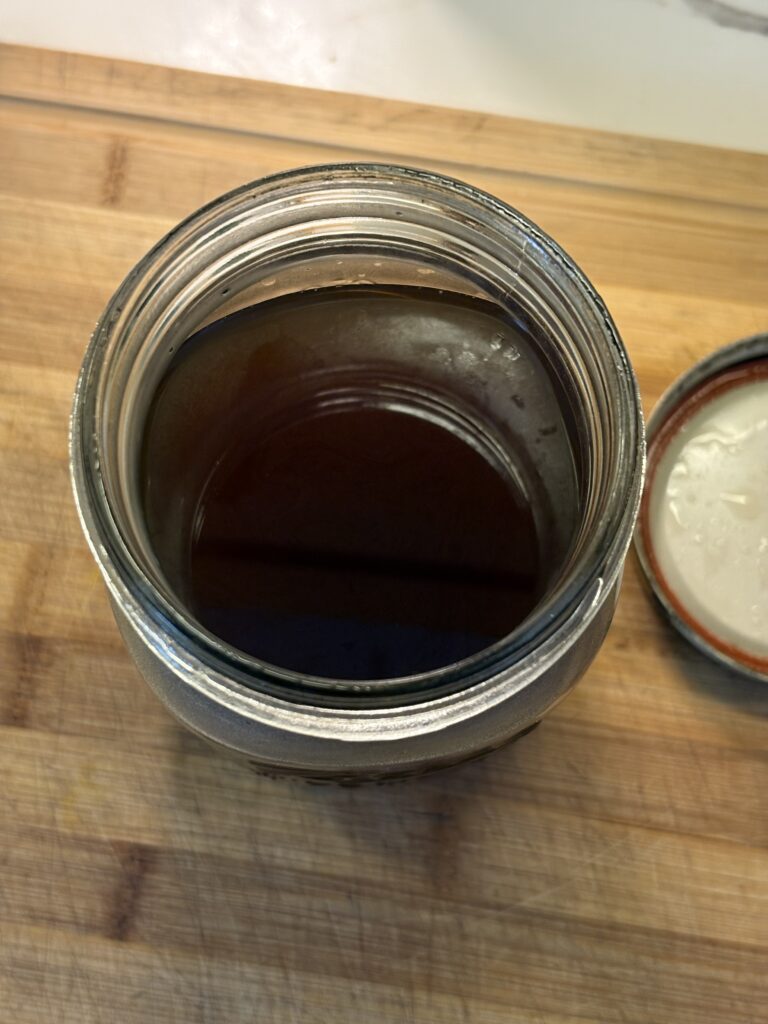
This homemade chest congestion syrup is the one I reach for when congestion turns wet and heavy. It’s simple to make in your own kitchen. It uses five herbs, water, and raw honey.
When phlegm gets thick and sticky, it’s hard to cough up. That’s when this syrup earns its spot in my fridge. Each herb plays a part in warming, soothing, and helping the chest let go of what it’s holding.
It’s not just for coughs, either. These warming herbs help dry up excess wet mucus in the lungs. They also help with some of the drainage in the nasal passages and sinuses.
Let’s walk through the herbs, the method, and the safety notes you need to know.
Ingredients
This batch makes about 3 cups of finished syrup.
| Ingredient | Amount |
|---|---|
| Licorice root (dried) | 0.5 oz |
| Cinnamon (chips or broken sticks) | 0.25 oz |
| Echinacea (dried) | 0.25 oz |
| Elecampane root (dried) | 0.25 oz |
| Ginger root | 0.125 oz dried, or about 0.375 oz fresh |
| Water | 1 quart (4 cups) |
| Raw honey | About 1 cup, or up to 2 cups for a 1:1 ratio |
I use fresh ginger whenever I have it on hand. Dried ginger works well too. Fresh ginger holds more water, so use about three times the dried amount. That’s roughly a 1-inch piece, thinly sliced.
How Each Herb Helps Clear Sticky Phlegm
Licorice Root
Licorice root is the soothing backbone of this syrup. Herbalists have long used it as a demulcent. That means it coats and calms irritated tissue in the throat and airways.
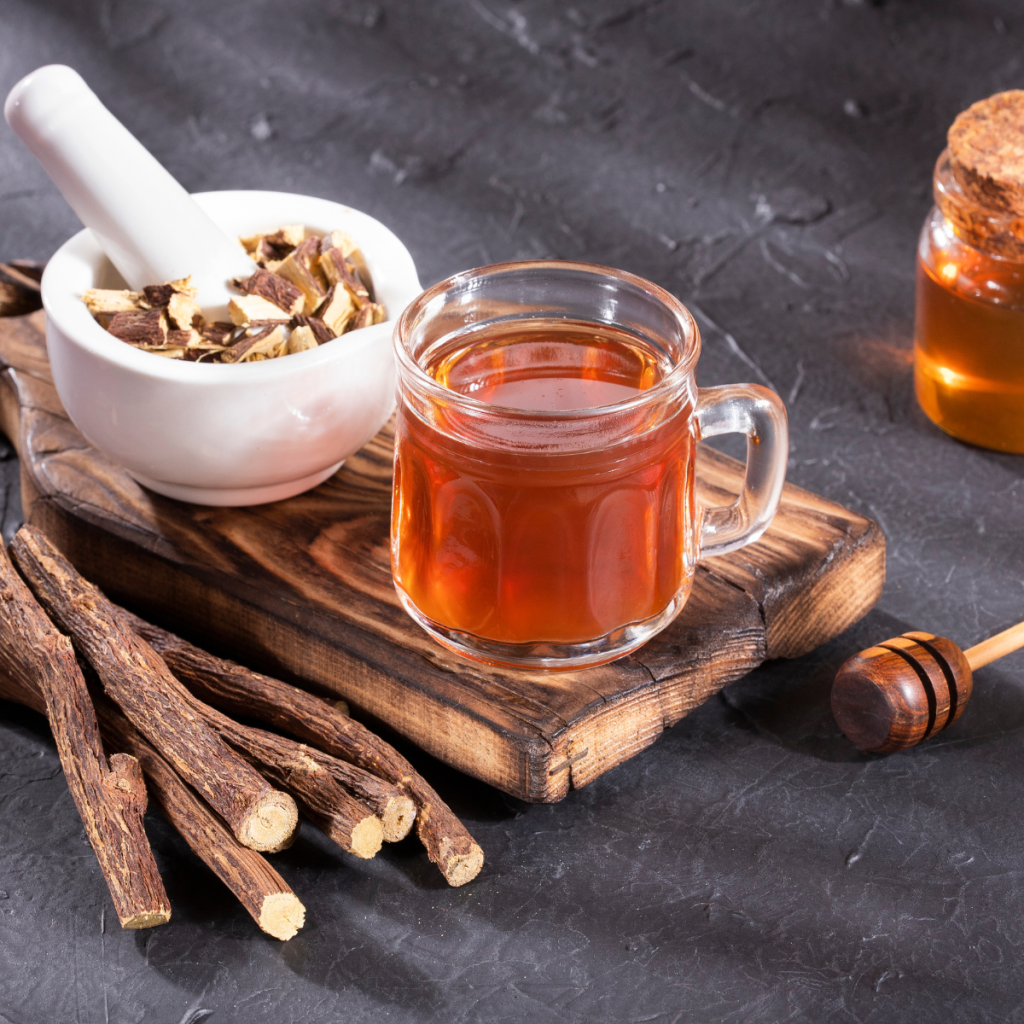
It’s also traditionally used as an expectorant. It helps thin mucus so a cough can actually move it. Its natural sweetness helps the whole blend taste better, too.
Cinnamon
Cinnamon brings warmth to the formula. Warming herbs are traditionally used when congestion feels cold, damp, and stuck.
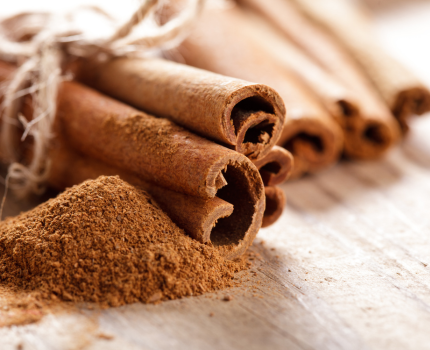
Cinnamon also has antimicrobial properties. It adds flavor that kids and adults tend to like. A warm, cozy taste makes a remedy much easier to take.
Echinacea
Echinacea is best known for supporting the immune system. It’s often used at the first sign of a cold or chest bug.
It doesn’t break up mucus on its own. Its job here is to support the body while it works through the illness that’s causing the congestion.
Elecampane Root
Elecampane is my go-to lung herb. It has been used for centuries for deep, wet coughs with thick mucus.
It’s considered a warming expectorant. It helps loosen phlegm that’s settled in the chest so it can come up. Elecampane also contains inulin, which gives it a gentle soothing quality.
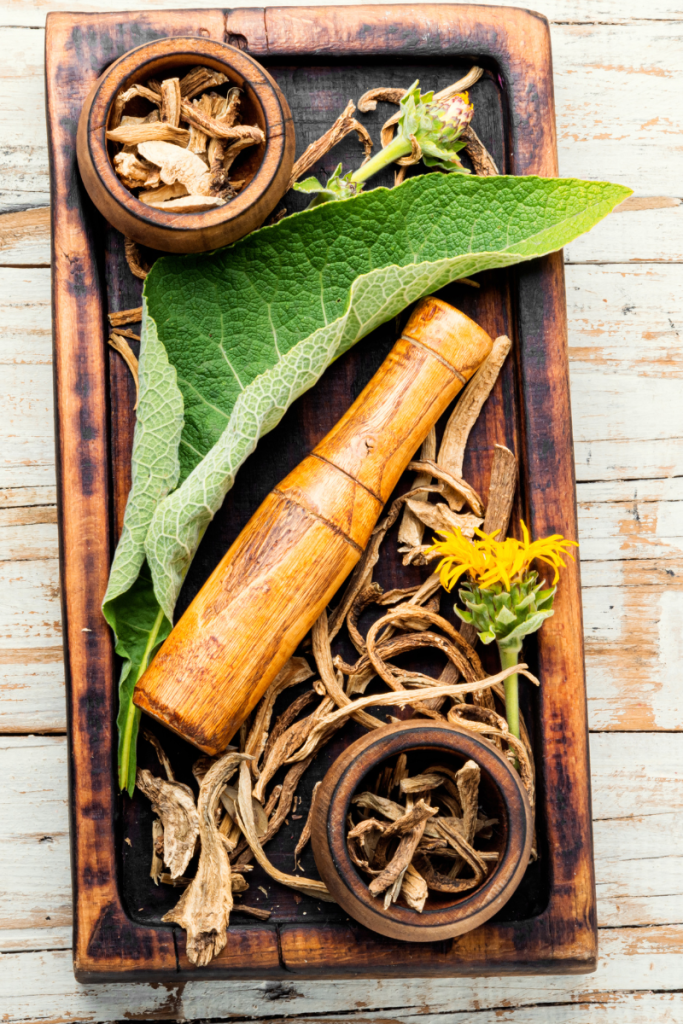
It has a strong, bitter, slightly earthy taste. The licorice, cinnamon, and honey balance it out nicely.
Ginger
Ginger is a classic warming herb for colds and coughs. It’s traditionally used to stimulate circulation and help move stagnant mucus.
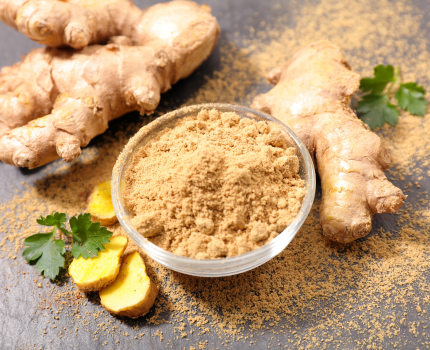
Ginger may also help relax the airways and calm a scratchy throat. It adds a little spicy kick that wakes up the whole syrup.
How to Make the Syrup
- Add all five herbs and 1 quart of water to a pot. Use stainless steel or enamel, not aluminum.
- Bring it to a gentle boil, then lower the heat to a simmer. Roots and bark need this longer simmer to release their goodness. This is called a decoction.
- Simmer uncovered until the liquid reduces by half, to about 1 pint (2 cups). This usually takes 30 to 45 minutes.
- Strain the herbs out through a fine mesh strainer or cheesecloth. Squeeze the herbs to get every last drop.
- Let the liquid cool until it’s warm, not hot. Adding honey to boiling liquid can damage its beneficial enzymes.
- Stir in about 1 cup of raw honey. For a sweeter, thicker syrup, add more, up to a 1:1 ratio (2 cups honey to 2 cups decoction). More honey also helps it keep longer.
- Pour into a clean, sterilized glass jar or bottle. Label it with the name and the date.
How Much to Take
Here’s how I use this syrup in my home. Take it 3 to 5 times a day while congestion is active.
- Adults: 2 tablespoons per dose
- Children over 1 year: 1 tablespoon per dose
This is meant for short-term use while you’re congested, not every day long-term. Licorice root is the main reason why. If the congestion isn’t improving after about a week, check in with your healthcare provider.
Never give this syrup to babies under 1 year old because of the honey. For children, please check with your healthcare provider on the right amount for their age and size as needed.
Ingredients
Method
- Add the herbs and water to a stainless steel or enamel pot.
- Bring to a gentle boil, then lower to a simmer.
- Simmer uncovered until reduced to about 1 pint (2 cups), 30 to 45 minutes.
- Strain well, squeezing the herbs to get all the liquid.
- Cool until warm, not hot. About 100 degrees F
- Stir in about 1 cup raw honey. Add more for a sweeter, thicker syrup, up to a 1:1 ratio.
- Pour into a clean, sterilized glass jar. Label and date it.
Video
Notes
- Adults: 2 tablespoons, 3 to 5 times a day
- Children over 1 year: 1 tablespoon, 3 to 5 times a day
- For short-term use only. Check with your healthcare provider if not improving after about a week.
- Do not give honey to babies under 1 year old.
- Store in the fridge for 3 to 6 months.
- Always pour from the jar. Never put spoons back in. Keep the rim clean.
- Toss if you see mold, bubbles, cloudiness, or a sour smell.
- Speak with your healthcare provider before use.
How to Store It
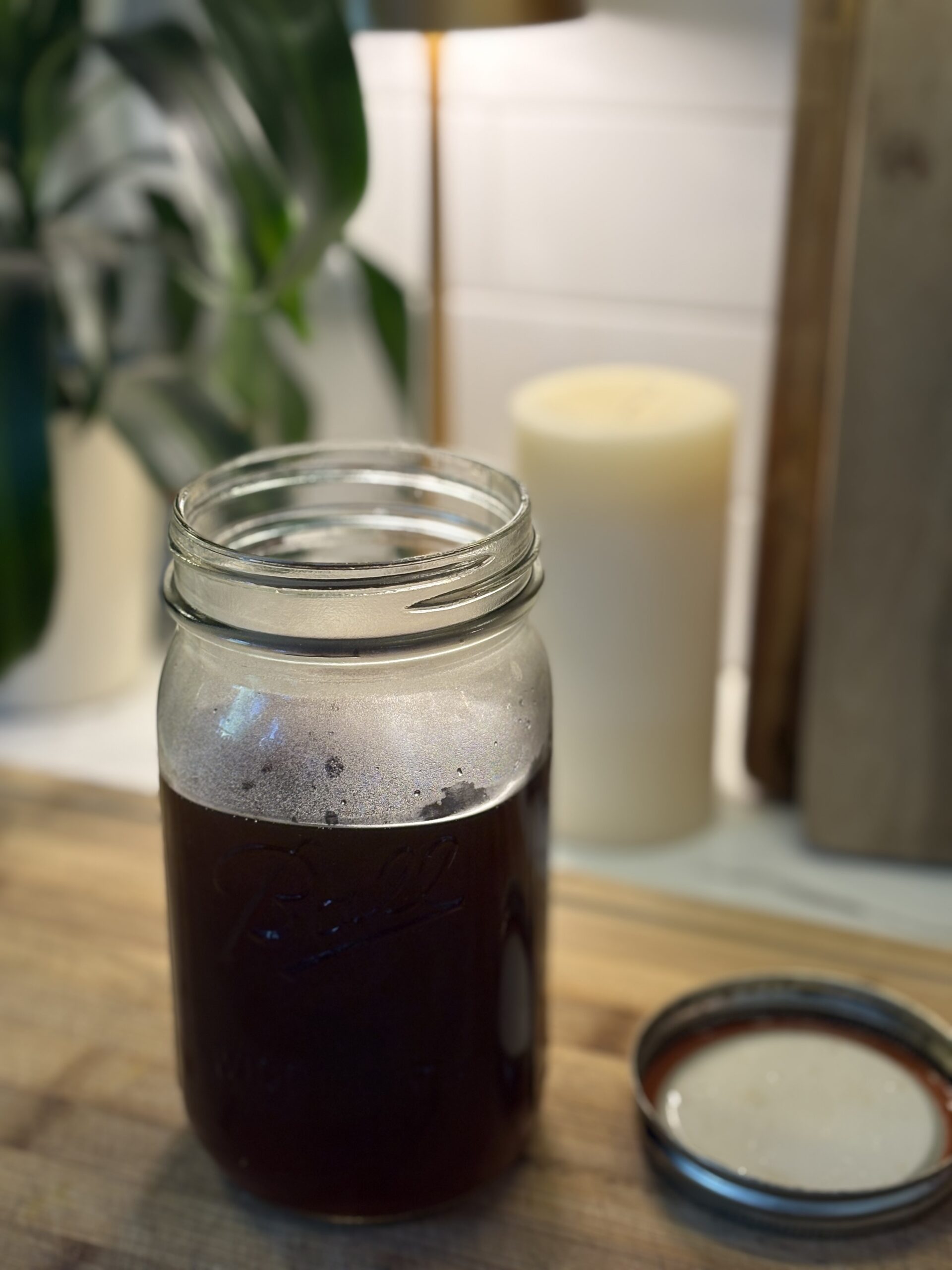
Kept in the fridge, this syrup can last 3 to 6 months. How long it lasts depends on how clean you keep it.
- Always pour from the jar. Never dip a spoon or dropper back into it.
- Keep the rim and lid clean and dry. Wipe drips right away.
- Use a clean spoon for each dose after pouring.
- Store it in the fridge with the lid on tight.
Anything that goes back into the jar can bring bacteria with it. That’s what shortens shelf life.
Toss it if you see mold, bubbles, cloudiness, or a sour or fermented smell. When in doubt, throw it out and make a fresh batch.
Important: No Honey for Babies Under 1 Year
Never give honey to a child under 12 months old. This includes raw honey, cooked honey, and honey in syrups.
Honey can carry Clostridium botulinum spores. A baby’s gut isn’t mature enough to stop those spores from growing. This can cause infant botulism, a serious and sometimes life-threatening illness.
Watch for signs like constipation, weak sucking or feeding, a weak cry, drooping eyelids, or floppy muscle tone. If you notice any of these, get medical care right away.
If you have a baby in the house, keep this syrup well out of reach and clearly labeled. Talk with your pediatrician before giving any herbal preparation to an infant, with or without honey.
Herb Precautions
Natural doesn’t mean right for everyone. Please read these before making this syrup.
- Licorice root: Not for long-term or heavy use. It can raise blood pressure and lower potassium. Avoid it if you’re pregnant or have high blood pressure, heart, or kidney problems.
- Elecampane: Avoid during pregnancy and breastfeeding. Skip it if you’re allergic to plants in the daisy family, like ragweed.
- Echinacea: Also in the daisy family, so the same allergy caution applies. Talk to your healthcare provider if you have an autoimmune condition.
- Ginger and cinnamon: Use caution if you take blood thinners or diabetes medications.
- Honey: Never for babies under 1 year old. Use care with diabetes, since it raises blood sugar.
If you take any prescription medications, check with your healthcare provider for interactions.
When to Contact Your Healthcare Provider
Seek care for trouble breathing, wheezing, chest pain, or a high or lasting fever. Also get help if a cough lasts more than a week or two, or brings up blood or green-brown mucus. For babies and young children, call your healthcare provider sooner rather than later.
Disclaimer
This post is for educational purposes only. It is not medical advice and is not meant to diagnose, treat, cure, or prevent any disease. These statements have not been evaluated by the Food and Drug Administration.
Please speak with your healthcare provider before using this syrup. This is especially important if you are pregnant, nursing, taking medications, have a health condition, or are giving it to a child.
-
How to Make Simple Homemade Beeswax Candles in Mason Jars
How to Make Simple Homemade Beeswax Candles in Mason Jars This post may contain affiliate links. If you purchase through them, I may earn a small commission at no extra cost to you. Please see my Disclosure and Privacy Policy for details. Simple Homemade Beeswax Candles for Cozy Evenings Homemade beeswax candles are one of…
-
Easy Herbal Conditioner Bar Recipe with Chamomile & Calendula
Easy Herbal Conditioner Bar Recipe with Chamomile & Calendula This herbal conditioner bar recipe combines nourishing oils, cocoa butter, BTMS-50, and vitamin B5 for soft, manageable hair. It also features chamomile-infused coconut oil and calendula-infused olive oil for a special herbal touch. Unlike traditional bottled conditioner, solid conditioner bars are highly concentrated and require very…
-
The Best DIY Honey Foaming Face Wash | Glowing, Healthy Skin
The Best DIY Honey Foaming Face Wash for Glowing, Healthy Skin A Simple, Gentle Daily Cleanser You Can Feel Good About I have tried many cleansers over the years, both as a nurse and a busy mom. However, I kept coming back to simple, nourishing ingredients. This honey foaming face wash has become a favorite…
-
Simple Gentle Liver Detox Tea Recipe (Natural & Nourishing)
Gentle Liver Detox Tea Recipe (Natural and Nourishing) A Simple Way to Support Your Body Naturally As the seasons begin to shift, I often notice my body asking for a slower, gentler reset. After months of heavier foods and busy days, everything can start to feel a little sluggish. Instead of turning to harsh detoxes,…
-
Easy Apple Cinnamon Baked Oatmeal Recipe
Apple Cinnamon Baked Oatmeal Recipe This apple cinnamon baked oatmeal recipe is one of those breakfasts that brings calm to busy mornings. I started making baked oatmeal when I needed something nourishing that could feed my family without extra work. This recipe comes together quickly, uses simple pantry staples, and bakes while the rest of…
-
Herbal Calendula and Chamomile Sugar Scrub
Herbal Calendula and Chamomile Sugar Scrub There is something deeply satisfying about making simple body care products with herbs you already know and trust. Over time, I’ve learned that our skin responds best to gentle, nourishing ingredients, especially when they come straight from the apothecary shelf or pantry. This calendula chamomile sugar scrub is one…