Easy Herbal Conditioner Bar Recipe with Chamomile & Calendula
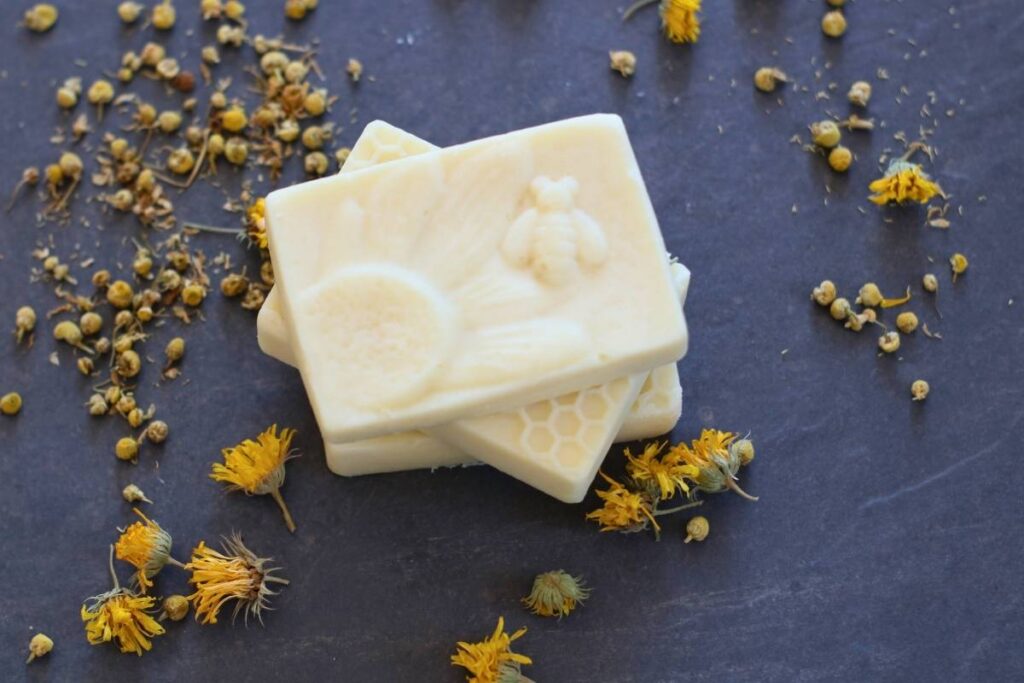
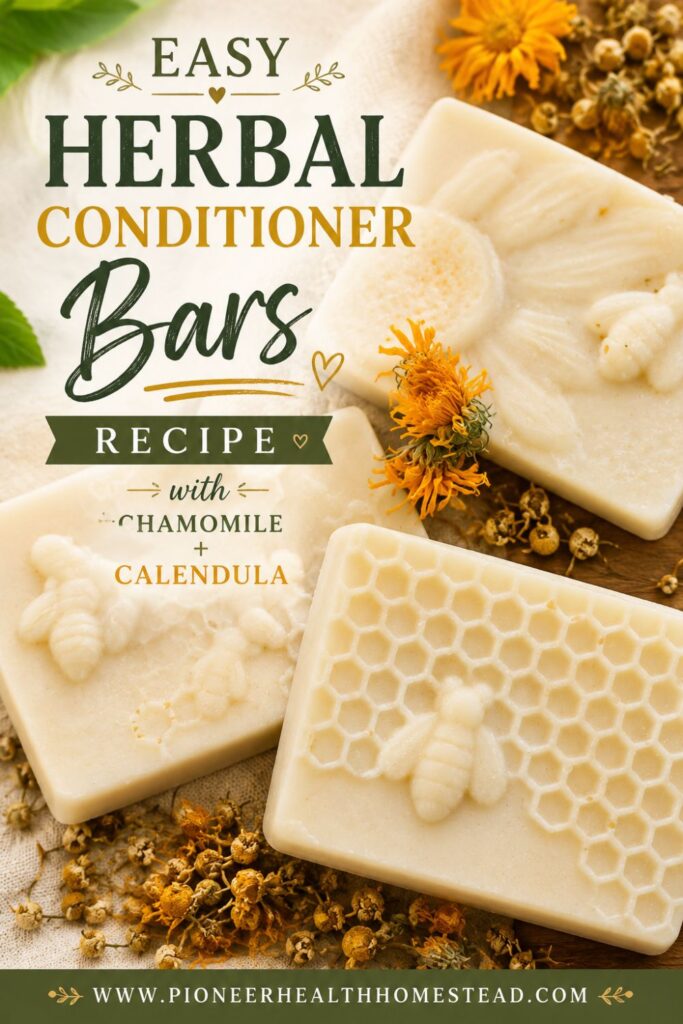
This herbal conditioner bar recipe combines nourishing oils, cocoa butter, BTMS-50, and vitamin B5 for soft, manageable hair. It also features chamomile-infused coconut oil and calendula-infused olive oil for a special herbal touch.
Unlike traditional bottled conditioner, solid conditioner bars are highly concentrated and require very little product. They are also compact, easy to store, and convenient for travel. Since they do not require plastic bottles, they can help reduce packaging in your hair care routine.
However, many homemade conditioner bars are simply made from oils and butter. Those ingredients can soften dry hair, but they may lack the slip expected from traditional conditioner. Therefore, this recipe includes BTMS-50 as the primary conditioning ingredient.
BTMS-50 helps the bar glide across wet hair while improving softness and manageability. Meanwhile, cocoa butter adds firmness, and the herbal oils add richness. Vitamin B5 supports moisture and helps leave the hair feeling smooth.
Save for Later!
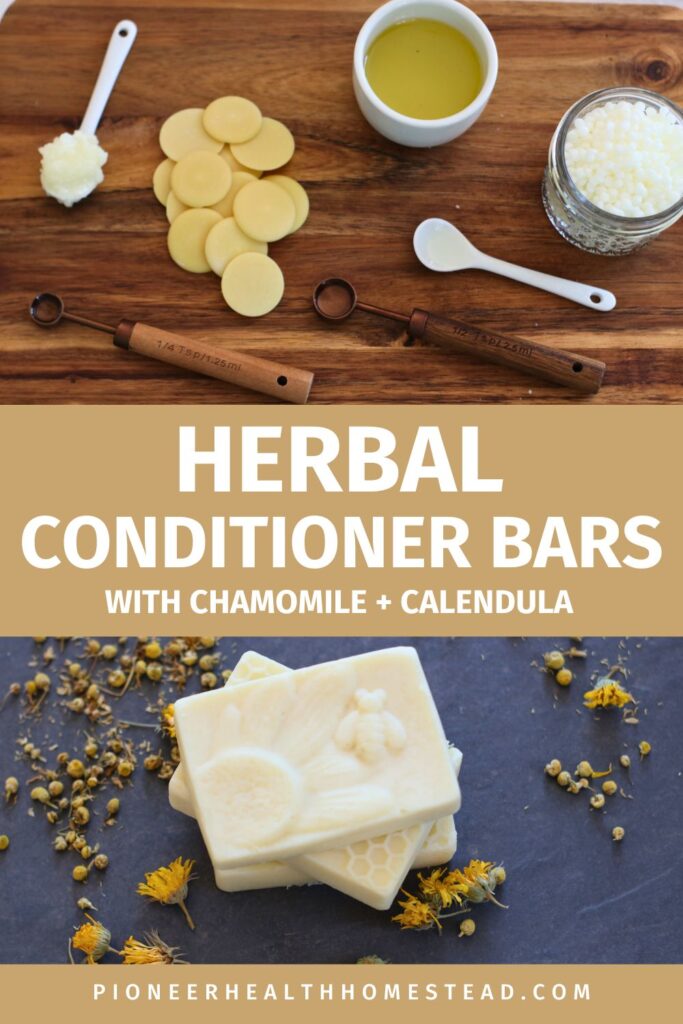
What Is a Solid Conditioner Bar?
A solid conditioner bar is a concentrated alternative to traditional liquid conditioner. Instead of squeezing conditioner from a bottle, you glide the solid bar lightly over wet hair. Then, you work the conditioner through your hair before rinsing.
Conditioner bars usually contain little or no added water. Therefore, they are compact and can last longer than expected. Their small size also makes them easy to store in a bathroom or pack while traveling.
However, a conditioner bar is different from a shampoo bar. Shampoo bars are designed to cleanse the hair and scalp. Conditioner bars are made to soften the hair and improve manageability after washing.
For that reason, use this herbal conditioner bar after your regular shampoo or shampoo bar. Focus the product on the mid-lengths and ends, especially if your scalp becomes oily.
Why Make Homemade Conditioner Bars?
Making homemade conditioner bars allows you to choose every ingredient in your hair care products. You can select the oils, customize the scent, and avoid ingredients you prefer not to use.
Many commercial hair products contain strong synthetic fragrances. However, this recipe uses optional lavender essential oil for a light herbal scent. You can also leave the essential oil out for an unscented conditioner bar.
Additionally, solid conditioner bars are concentrated. A small amount can provide plenty of slip and conditioning. Therefore, one small bar may last longer than expected when stored properly.
Conditioner bars also require less packaging than traditional bottled conditioner. They are easy to store and do not take up much space. Additionally, there is no liquid bottle to leak inside a travel bag.
Some benefits of homemade conditioner bars include:
- Less plastic packaging
- Simple and customizable ingredients
- Easy storage
- Convenient travel
- Optional herbal-infused oils
- Customizable fragrance
- A concentrated formula
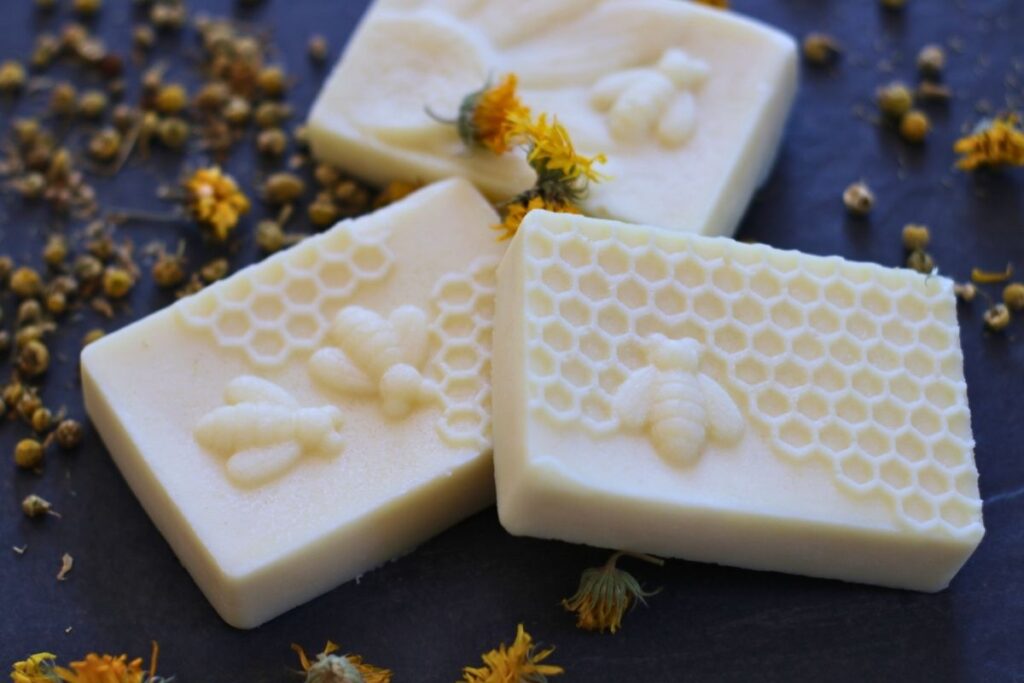
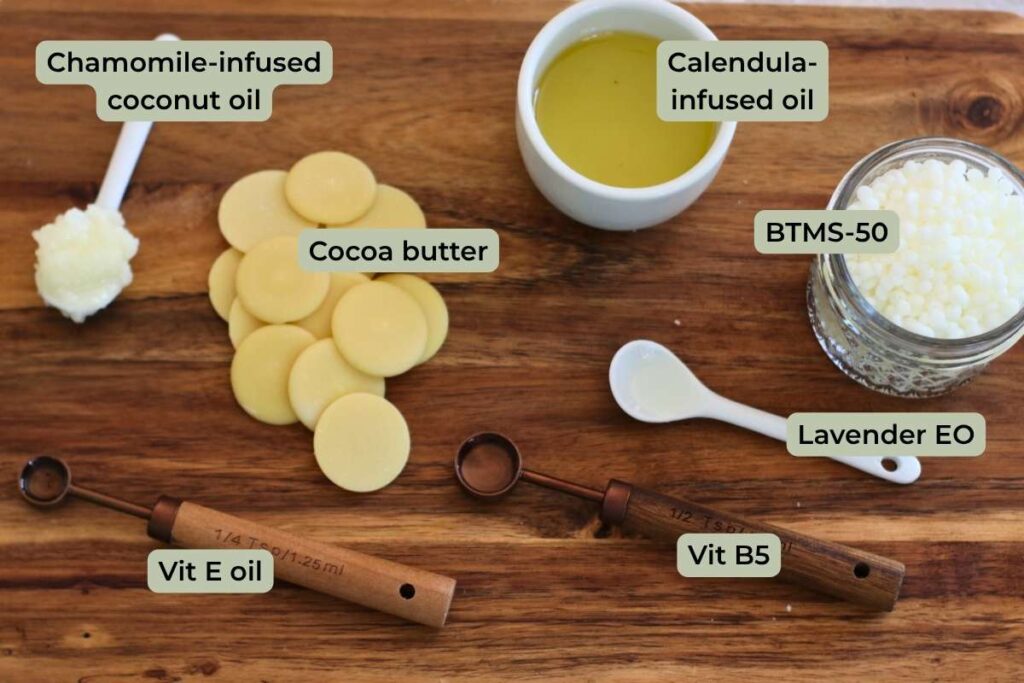
Ingredients in This Herbal Conditioner Bar Recipe
Each ingredient serves a specific purpose in this homemade conditioner bar. Some ingredients provide conditioning and slip. Meanwhile, other ingredients improve firmness, texture, moisture, or shelf life.
Understanding the purpose of each ingredient also makes it easier to customize future batches. However, changing ingredient amounts can affect the firmness and performance of the finished bar.
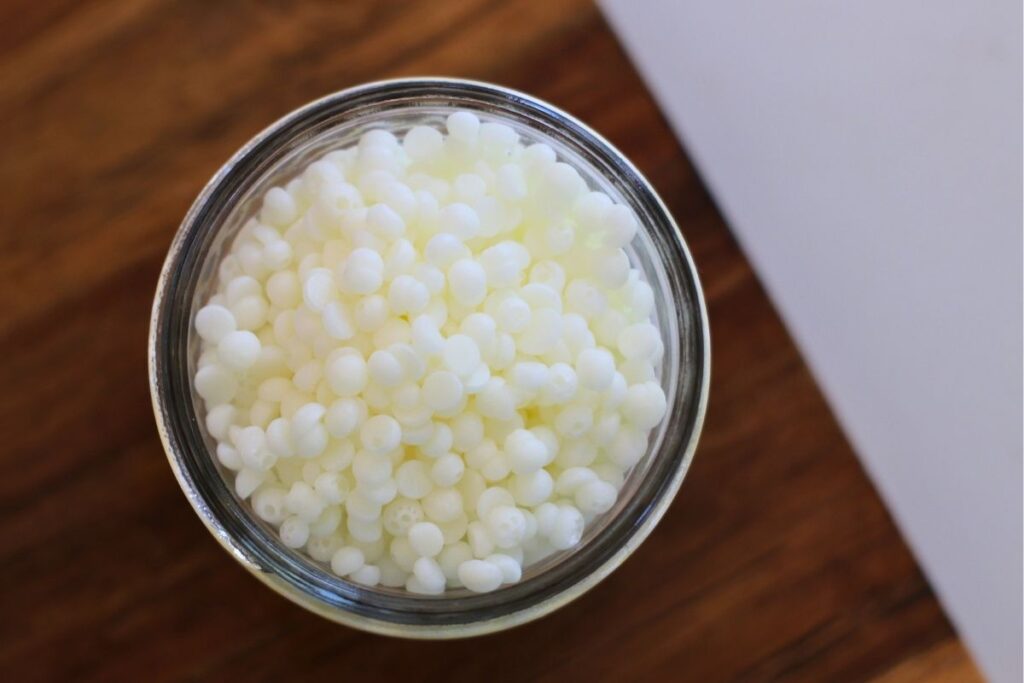
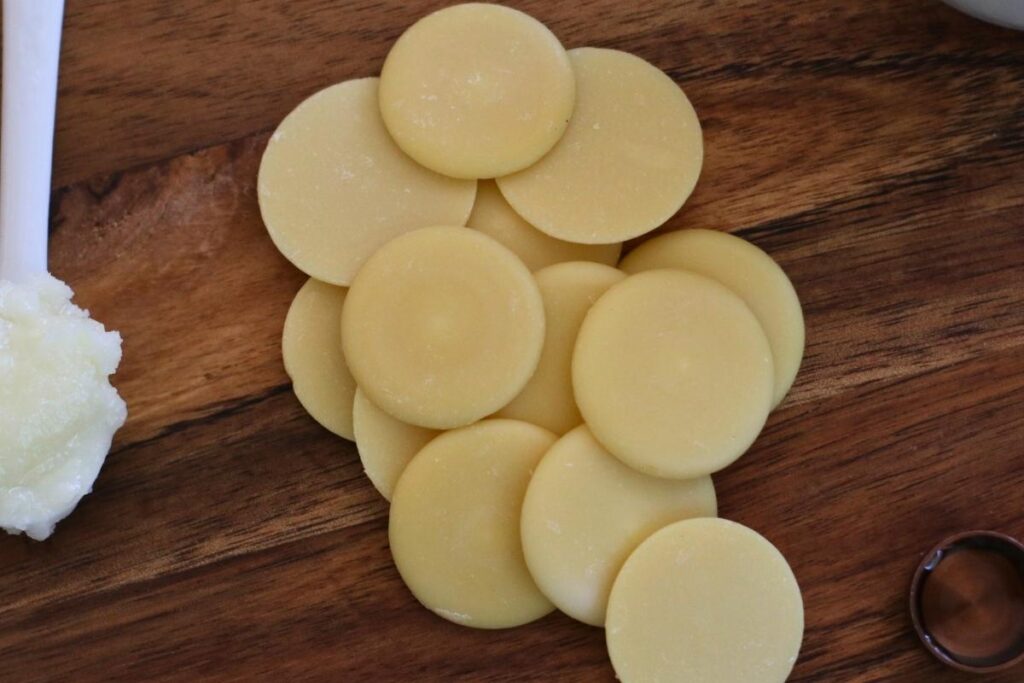
BTMS-50
BTMS-50 is the main conditioning ingredient in this solid conditioner bar. Although the name sounds complicated, it is commonly used in conditioners and other hair care products.
BTMS stands for behentrimonium methosulfate. Despite the word “methosulfate,” it is not a harsh sulfate cleanser. Instead, BTMS-50 is a conditioning emulsifier that provides softness and slip.
The BTMS-50 helps the conditioner bar glide smoothly over wet hair. It also helps make tangles easier to manage and reduces static. As a result, hair may feel softer and easier to comb after rinsing.
Without BTMS-50, this recipe would mostly contain cocoa butter and oils. Although those ingredients can soften dry hair, they may leave some hair types feeling heavy. They also do not provide the same conditioning effect.
Therefore, I do not recommend replacing BTMS-50 with traditional emulsifying wax. Regular emulsifying wax helps combine water and oil in lotions. However, it does not provide the same detangling benefits or conditioned feel.
Cocoa Butter
Cocoa butter helps create a firm and long-lasting conditioner bar. It is a rich plant butter made from the beans of the cacao plant.
Because cocoa butter remains solid at room temperature, it provides structure to the finished bar. It also creates a smooth texture and adds richness to the conditioner formula.
Cocoa butter may work especially well for dry, coarse, curly, or damaged hair. However, rich plant butter can feel heavy on fine hair. Therefore, begin with a small amount of conditioner and add more only when needed.
For this recipe, use pure cocoa butter without added fragrance or other ingredients. Unrefined cocoa butter may have a natural chocolate scent. Refined cocoa butter usually has little or no noticeable scent.
Chamomile-Infused Coconut Oil
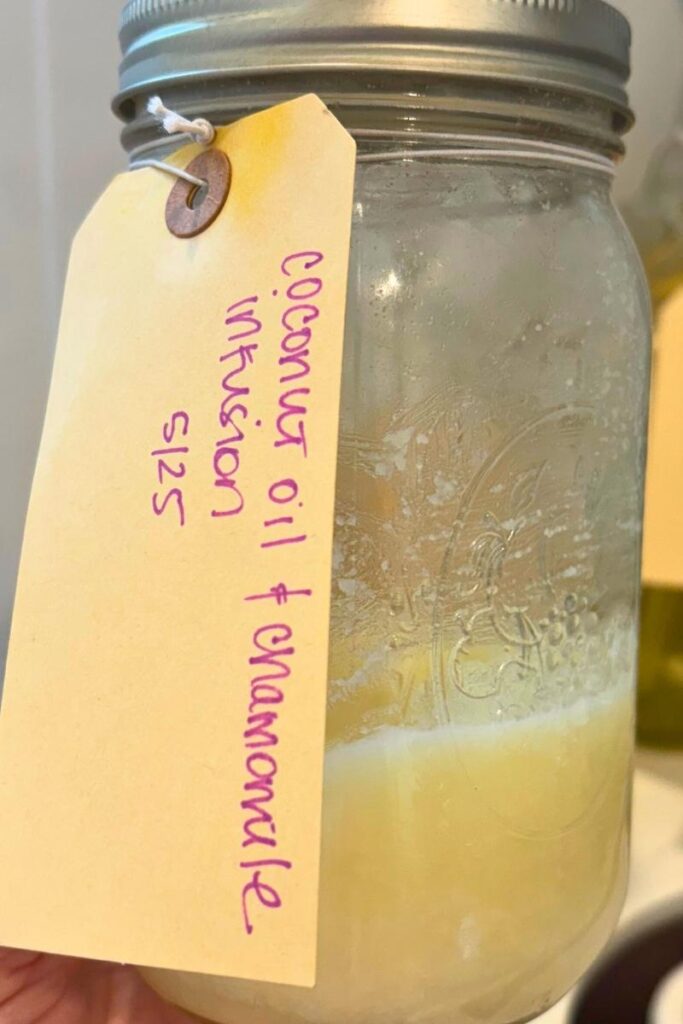
Chamomile-infused coconut oil adds the first herbal element to this conditioner bar recipe. I make this oil by infusing dried chamomile flowers into coconut oil.
Chamomile has a long history of use in gentle herbal skin and hair preparations. The infused oil also gives this recipe a special botanical touch without adding dried herbs directly to the bar.
Meanwhile, coconut oil adds richness and helps condition dry hair. Coconut oil remains firm at cooler room temperatures. Therefore, it also supports the solid texture of the conditioner bar.
However, coconut oil can feel heavy on some hair types. This recipe uses a moderate amount to balance richness with easier rinsing. If your hair is fine, begin with only one or two light passes.
Calendula-Infused Olive Oil
Calendula-infused olive oil adds another gentle herbal element to this conditioner bar. Calendula flowers are commonly infused into carrier oils for homemade skin and body products.
I enjoy keeping calendula oil available because it can be used in many homemade recipes. It works well in salves, balms, soaps, lotions, and other herbal body products.
Olive oil is rich and conditioning. It can help dry hair feel softer and smoother after rinsing. However, olive oil is heavier than many other carrier oils.
Therefore, this recipe uses less calendula olive oil than chamomile coconut oil. This balance allows us to include the herbal infusion without making the finished bar overly soft.

Liquid Vitamin B5
Vitamin B5 is also known as panthenol. It is commonly included in shampoos, conditioners, leave-in products, and other hair care formulas.
Panthenol helps attract and retain moisture. Therefore, it can support softer and more manageable hair. It may also improve shine and help the hair feel smoother.
For this recipe, use liquid vitamin B5 intended for cosmetic formulations. Always follow the supplier’s recommended usage rate and temperature instructions.
Additionally, check the complete ingredient list before adding liquid panthenol. Some liquid vitamin B5 products contain water or other ingredients. Those ingredients may affect the finished formula and its preservation needs.
Vitamin E Oil
Vitamin E oil is included as an antioxidant. It helps slow the oxidation of the oils and cocoa butter used in this recipe.
Over time, oxidation can cause oils to develop an unpleasant or rancid odor. Therefore, vitamin E may help support the freshness and quality of the oils.
However, vitamin E is not a broad-spectrum preservative. It does not prevent bacteria, yeast, or mold from growing. This distinction is important when making homemade skin and hair products.
Lavender Essential Oil
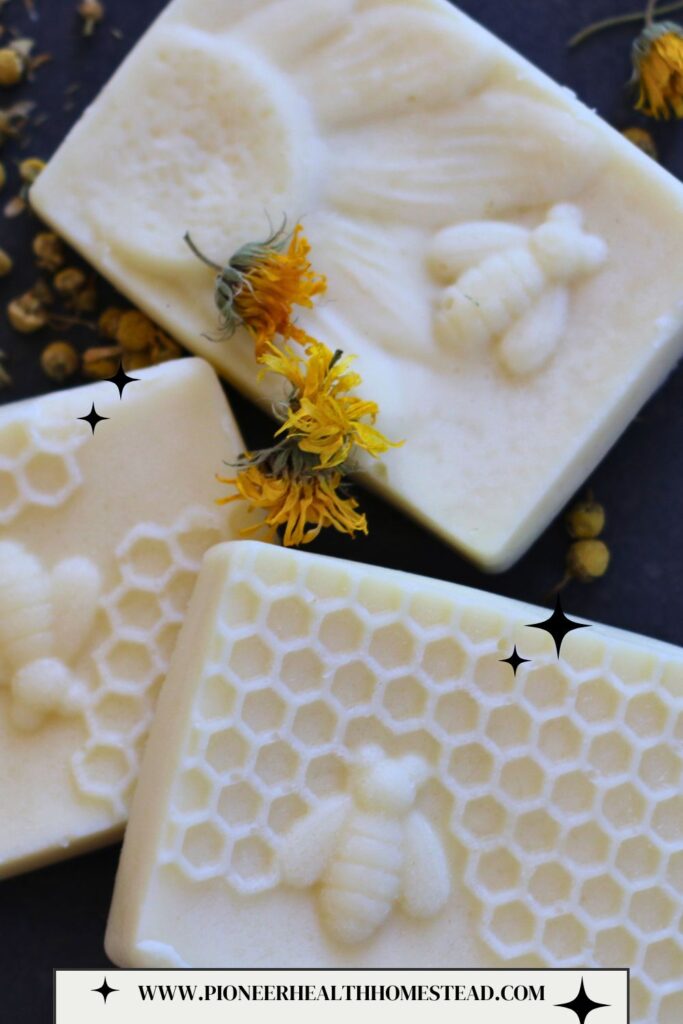
Lavender essential oil is optional in this herbal conditioner bar recipe. It adds a light floral and herbal scent that complements chamomile and calendula.
However, essential oils are not necessary for the conditioner bar to work. You can leave the lavender essential oil out for an unscented conditioner bar.
Always use essential oils carefully and follow appropriate usage recommendations. Additionally, avoid adding extra essential oil for a stronger fragrance. More essential oil is not always better.
Why I Use Herbal-Infused Oils
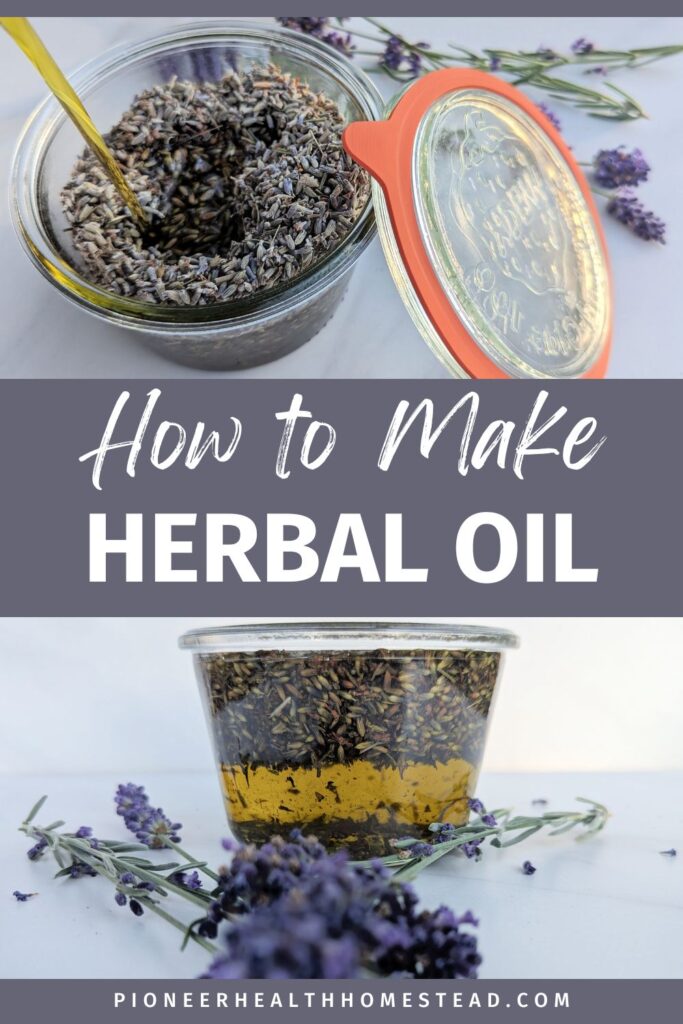
Herbal-infused oils are one of my favorite ways to incorporate herbs into homemade products. An herbal oil infusion transfers oil-soluble plant compounds into a chosen carrier oil.
The finished herbal oil can then be used in salves, balms, soaps, lotions, and hair products. I often keep several infused oils available because they are easy to use in different recipes.
For this conditioner bar, I use chamomile-infused coconut oil and calendula-infused olive oil. These oils add a unique botanical element without adding dried herbs directly to the conditioner.
Adding dried herbs directly to a conditioner bar may create a rough texture. The herbs can also become caught in the hair during use. Therefore, well-strained herbal oils are a better option for this recipe.
If you have never infused oils, I have a complete step-by-step guide and video. The tutorial explains how to choose herbs, prepare the oil, and strain the finished infusion.
However, you do not need herbal-infused oils to make this conditioner bar. Replace the chamomile-infused coconut oil with the same amount of regular coconut oil. Likewise, replace the calendula-infused olive oil with regular olive oil.
The conditioner bar will still work without the herbal infusions. BTMS-50 provides the primary conditioning benefits. Meanwhile, the infused oils add a special herbal touch to the finished recipe.
Equipment Needed to Make Conditioner Bars
You only need a few basic tools to make this herbal conditioner bar recipe. Gather everything before melting the ingredients because the mixture may thicken quickly.
You will need:
- Digital kitchen scale
- Double boiler
- Heat-safe glass bowl, if needed
- Small saucepan
- Silicone spatula or spoon
- Silicone molds
- Measuring spoons, optional
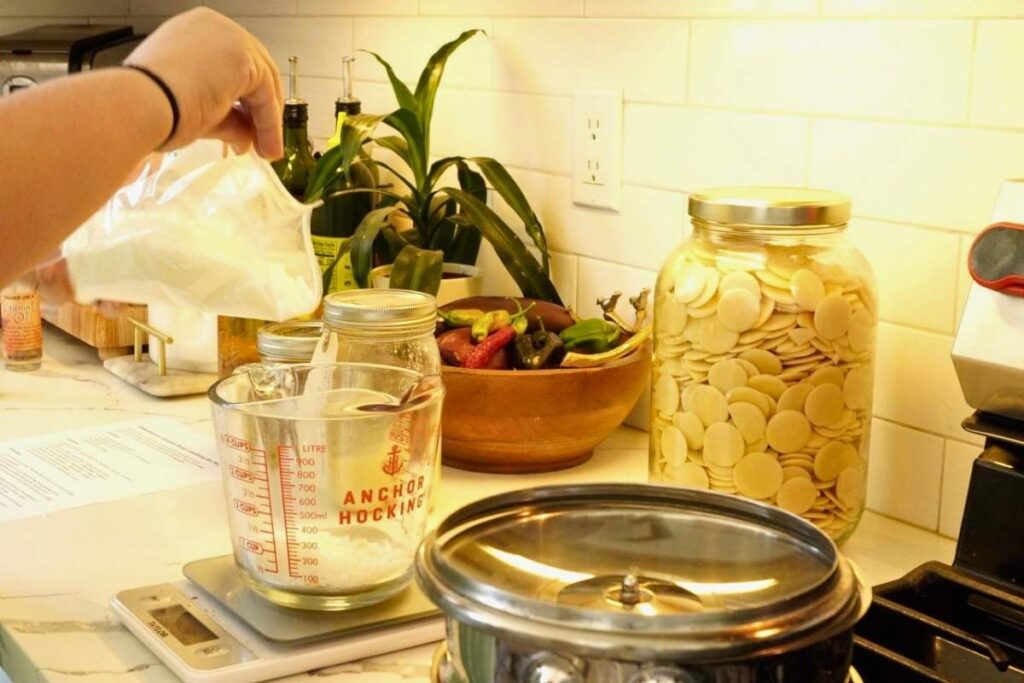
A digital scale provides the most accurate and repeatable results. Cosmetic ingredients can vary in size, shape, and density. Therefore, household volume measurements are only approximate.
BTMS-50 may come as flakes, pellets, or small pastilles. As a result, one-half cup may weigh differently between suppliers. Weigh each ingredient in grams whenever possible.
How to Make Chamomile and Calendula Conditioner Bars
These homemade conditioner bars come together quickly after the ingredients are prepared. First, weigh each ingredient and organize your supplies.
Next, slowly melt the BTMS-50, cocoa butter, and herbal oils. Then, allow the mixture to cool before adding the heat-sensitive ingredients.
Finally, pour the conditioner mixture into silicone molds. Allow the bars to cool completely before removing them.
Step 1: Weigh the Ingredients
Place a small container on your digital scale. Press the tare button to return the scale to zero before adding each ingredient.
Next, weigh every ingredient separately. Accurate measurements help create a consistent conditioner bar and make the recipe easier to repeat.
Although approximate volume measurements are included, grams are more reliable. The size of BTMS-50 flakes or pellets can affect volume measurements.
Step 2: Melt the BTMS-50, Cocoa Butter, and Herbal Oils
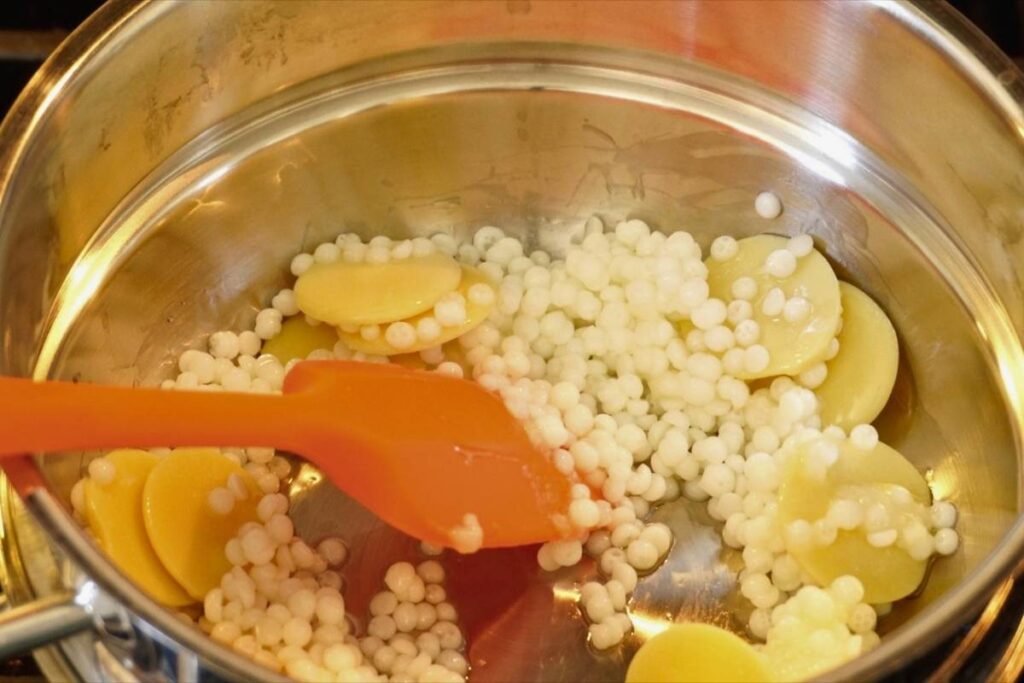
Add the BTMS-50 and cocoa butter to a double boiler. Next, add the chamomile-infused coconut oil and calendula-infused olive oil.
Heat the ingredients gently over low to medium-low heat. Stir occasionally until the ingredients are completely melted and smooth.
BTMS-50 may take longer to melt than the oils. Therefore, continue heating until no visible flakes or pellets remain.
Avoid overheating the mixture. Gentle heat is usually enough to melt the ingredients while maintaining their quality.
Step 3: Cool the Mixture Slightly
Remove the melted mixture from the heat. Allow it to cool slightly while continuing to stir.
However, do not allow the mixture to begin hardening. Conditioner bar mixtures can thicken quickly as their temperature drops.
Check the recommended temperature instructions for your liquid vitamin B5. Add it only within the temperature range provided by the supplier.
Step 4: Add the Vitamin B5 and Remaining Ingredients
Once the mixture reaches the recommended temperature, add the liquid vitamin B5. Stir thoroughly so it becomes evenly distributed.
Next, add the vitamin E oil and lavender essential oil, if using. Continue stirring until the mixture appears smooth and evenly combined.
Work quickly during this step because the mixture may begin thickening. If it becomes too thick, briefly return it to gentle heat.
Step 5: Pour the Conditioner Bars Into Molds
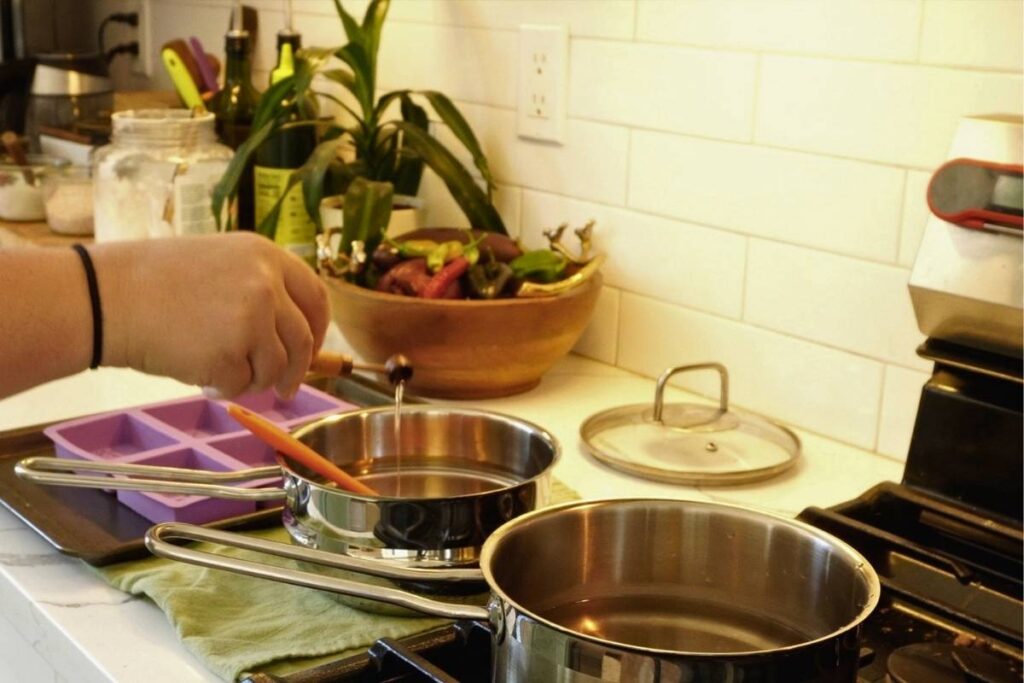
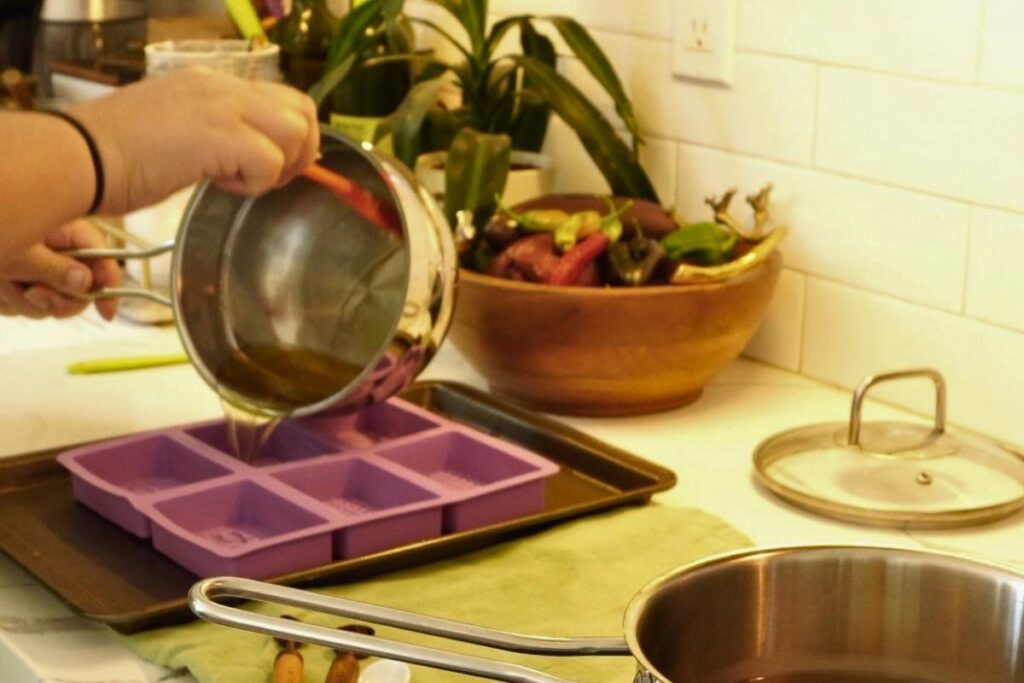
Carefully pour the conditioner mixture into clean silicone molds. Use a silicone spatula to scrape the remaining mixture from the container.
Gently tap the mold against the counter. This step may help release trapped air and create a smoother surface.
Allow the bars to cool at room temperature until completely firm. You can also place them in the refrigerator after cooling slightly.
Step 6: Unmold and Allow the Bars to Harden
Leave the conditioner bars in the molds for several hours or overnight. The exact cooling time depends on the size of your molds.
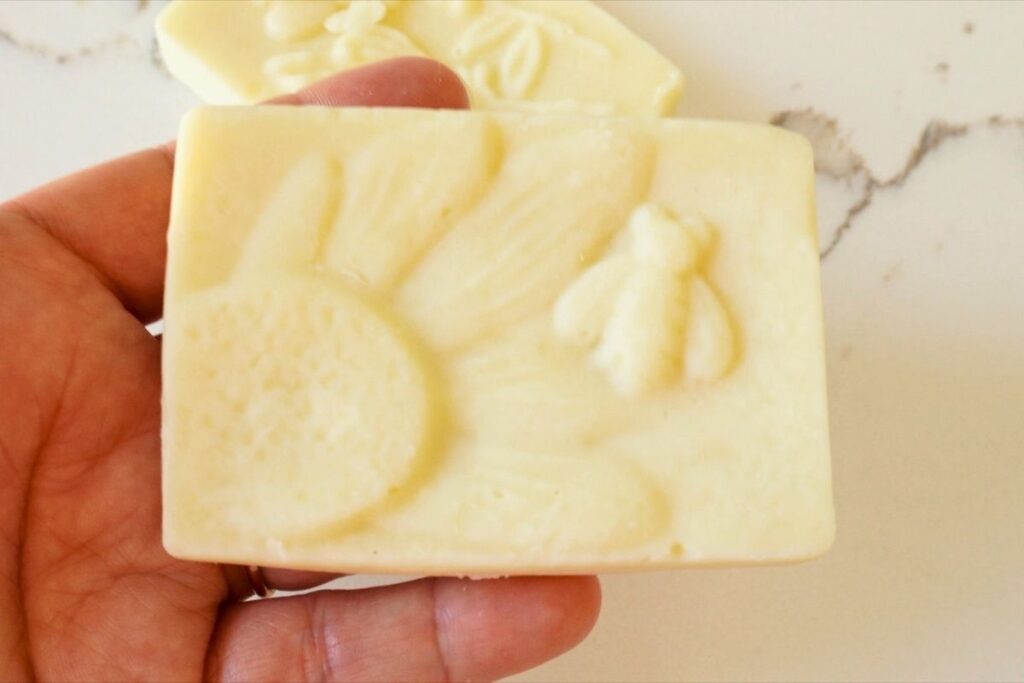
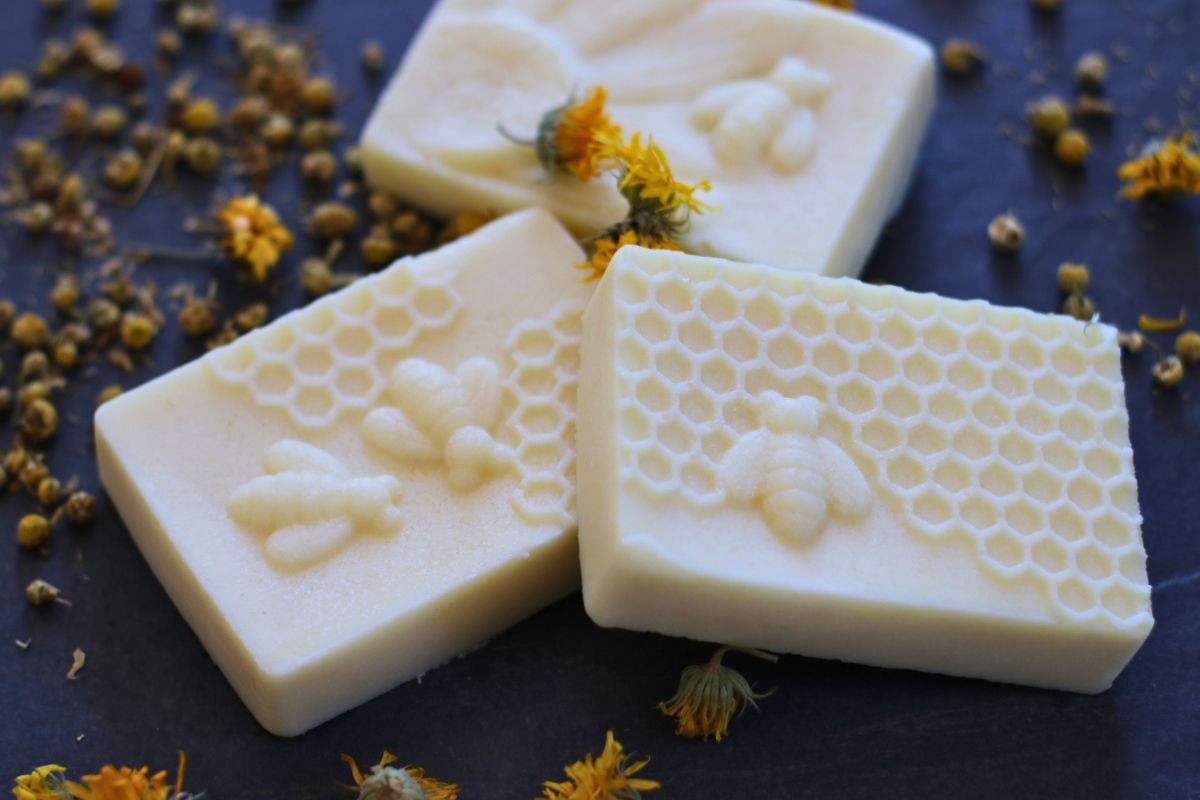
Once the bars are firm, carefully remove them from the silicone molds. Place them in a cool, dry location for 24–48 hours.
This resting time allows the bars to become completely firm before use. However, these bars do not require curing like handmade soap.
Chamomile and Calendula Herbal Conditioner Bar Recipe
Ingredients
Equipment
Method
- Add the BTMS-50, cocoa butter, chamomile-infused coconut oil, and calendula-infused olive oil to a double boiler.
- Heat the ingredients gently over low to medium-low heat. Stir occasionally until the BTMS-50 and cocoa butter are completely melted and the mixture is smooth.
- Remove the mixture from the heat and allow it to cool slightly while stirring. Do not allow the mixture to begin hardening.
- Once the mixture has cooled to the temperature recommended by the manufacturer of your liquid vitamin B5, add the vitamin B5. Stir thoroughly to distribute it evenly.
- Add the vitamin E oil and lavender essential oil, if using. Mix well.
- Immediately pour the conditioner mixture evenly between two 2-ounce silicone molds. Work quickly because the mixture may begin to thicken as it cools.
- Allow the conditioner bars to cool and harden completely. Leave them in the molds for several hours or overnight.
- Carefully remove the bars from the molds. Allow them to sit uncovered in a cool, dry place for 24–48 hours before using.
- After shampooing, wet the conditioner bar and gently glide it over the mid-lengths and ends of wet hair.
- Begin with only two or three light passes. Solid conditioner bars are concentrated, so you may need less product than expected.
- Work the conditioner through your hair with your fingers or a wide-tooth comb. Allow it to remain on your hair for one to three minutes.
- Rinse thoroughly with warm water.
- Place the conditioner bar on a well-draining soap dish and allow it to dry completely between uses.
Notes
- For the most accurate results, weigh the ingredients in grams using a digital scale.
- Volume measurements are approximate because BTMS-50 may come in different shapes and sizes.
- This 100-gram recipe makes approximately 3.5 ounces of conditioner. It should fill two 2-ounce molds without filling them completely.
- You can also use one 4-ounce mold or several smaller travel-sized molds.
- BTMS-50 provides the primary conditioning, detangling, and softening benefits.
- Vitamin E is an antioxidant that helps slow oxidation. It is not a broad-spectrum preservative.
- Lavender essential oil is optional and can be omitted for an unscented conditioner bar.
- Store the conditioner bar on a well-draining soap dish and allow it to dry between uses.
A Note About the Herbal-Infused Oils
I use chamomile-infused coconut oil and calendula-infused olive oil to add a gentle herbal touch to these homemade conditioner bars. If you have never made an herbal-infused oil, I have a complete step-by-step blog post and video showing you how to infuse oils at home. However, herbal-infused oils are not required. Replace the chamomile-infused coconut oil with the same amount of regular coconut oil. Likewise, replace the calendula-infused olive oil with the same amount of regular olive oil. The conditioner bar will still work without the herbal infusions. BTMS-50 provides the primary conditioning benefits, while the infused oils add a special botanical touch.How to Use a Solid Conditioner Bar
After shampooing, thoroughly wet your hair and the conditioner bar. Then, gently glide the bar over the mid-lengths and ends.
Begin with only two or three light passes. Solid conditioner bars are concentrated, so you may need less product than expected.
Next, work the conditioner through your hair with your fingers. You can also use a wide-tooth comb to distribute the conditioner.
Allow the conditioner to remain on your hair for one to three minutes. Then, rinse thoroughly with warm water.
If your hair feels heavy after drying, use less product during the next wash. Fine hair may only need one or two passes.
How to Store Homemade Conditioner Bars
Proper storage helps your homemade conditioner bar last longer. Keep the bar on a well-draining soap dish between uses.
Allow the conditioner bar to dry completely before placing it inside a container. Avoid leaving it in standing water or direct shower spray.
Store unused conditioner bars in a cool, dry place away from sunlight. Excess heat may soften the cocoa butter and coconut oil.
For the best quality, use the conditioner bars within six to twelve months. Discard any bar with an unusual odor or visible signs of spoilage.
Can I Use Regular Oils Instead?
Yes, you can make this conditioner bar without herbal-infused oils. The infused oils add a special botanical touch, but they are not required.
Replace the chamomile-infused coconut oil with the same amount of regular coconut oil. Replace the calendula-infused olive oil with regular olive oil.
No other recipe changes are needed. The BTMS-50 provides the primary conditioning and detangling benefits in this formula.
Can I Use Regular Emulsifying Wax Instead of BTMS-50?
I do not recommend replacing BTMS-50 with traditional emulsifying wax. These ingredients serve different purposes in cosmetic formulas.
Traditional emulsifying wax helps combine oil and water in lotions. However, it does not provide the same conditioning slip or detangling benefits.
BTMS-50 is specifically used for its conditioning properties. Therefore, replacing it may significantly change how the finished bar performs.
Do I Need to Use Vitamin B5?
Vitamin B5 adds moisture-supporting and conditioning benefits to this recipe. However, the BTMS-50 remains the primary conditioning ingredient.
If you omit the vitamin B5, the recipe may require adjustment. Do not automatically replace liquid vitamin B5 with an equal amount of oil.
Additionally, always check the ingredient list for your specific liquid panthenol. Different products may contain different concentrations and carriers.
Can I Leave Out the Essential Oil?
Yes, lavender essential oil is completely optional. Leave it out if you prefer an unscented conditioner bar.
The essential oil only adds fragrance. It does not provide the primary conditioning benefits in this recipe.
An unscented version may also be preferable for people who avoid scented hair products.
Final Thoughts on This Herbal Conditioner Bar Recipe
Making your own conditioner bars allows you to create a concentrated hair product with thoughtfully selected ingredients. This recipe combines effective conditioning ingredients with herbal oils I already enjoy using.
BTMS-50 provides the primary slip, softness, and manageability. Meanwhile, cocoa butter helps create a firm bar that is easy to use and store.
The chamomile-infused coconut oil and calendula-infused olive oil make this recipe unique. However, regular coconut and olive oils work well when infused oils are unavailable.
Start with a small amount when using your conditioner bar. Then, adjust the amount based on your hair type and individual needs.
With proper storage, these conditioner bars are a simple addition to a natural hair care routine. They are also easy to customize and convenient to keep in the shower.
-
The Best DIY Honey Foaming Face Wash | Glowing, Healthy Skin
The Best DIY Honey Foaming Face Wash for Glowing, Healthy Skin A Simple, Gentle Daily Cleanser You Can Feel Good About I have tried many cleansers over the years, both as a nurse and a busy mom. However, I kept coming back to simple, nourishing ingredients. This honey foaming face wash has become a favorite…
-
Simple Gentle Liver Detox Tea Recipe (Natural & Nourishing)
Gentle Liver Detox Tea Recipe (Natural and Nourishing) A Simple Way to Support Your Body Naturally As the seasons begin to shift, I often notice my body asking for a slower, gentler reset. After months of heavier foods and busy days, everything can start to feel a little sluggish. Instead of turning to harsh detoxes,…
-
Easy Apple Cinnamon Baked Oatmeal Recipe
Apple Cinnamon Baked Oatmeal Recipe This apple cinnamon baked oatmeal recipe is one of those breakfasts that brings calm to busy mornings. I started making baked oatmeal when I needed something nourishing that could feed my family without extra work. This recipe comes together quickly, uses simple pantry staples, and bakes while the rest of…
-
Herbal Calendula and Chamomile Sugar Scrub
Herbal Calendula and Chamomile Sugar Scrub There is something deeply satisfying about making simple body care products with herbs you already know and trust. Over time, I’ve learned that our skin responds best to gentle, nourishing ingredients, especially when they come straight from the apothecary shelf or pantry. This calendula chamomile sugar scrub is one…
-
Apple Mint and Lemon Balm Calm Tea
Apple Mint and Lemon Balm Calm Tea A Gentle, Comforting Blend for Stressful Days When the day feels a little too loud, or your mind just won’t slow down, apple mint and lemon balm calm tea is one of my favorite ways to create a pocket of peace. As a mom of five and an…
-
Spiced Orange & Clove Holiday Herbal Tea Recipe
Spiced Orange & Clove Holiday Herbal Tea This Spiced orange and clove holiday herbal tea is simply delicious. There’s nothing quite like wrapping my hands around a warm cup of tea on a chilly winter morning. The steam curls up, carrying the gentle, festive aroma of spices and citrus, and for a moment, the world…