Go Back
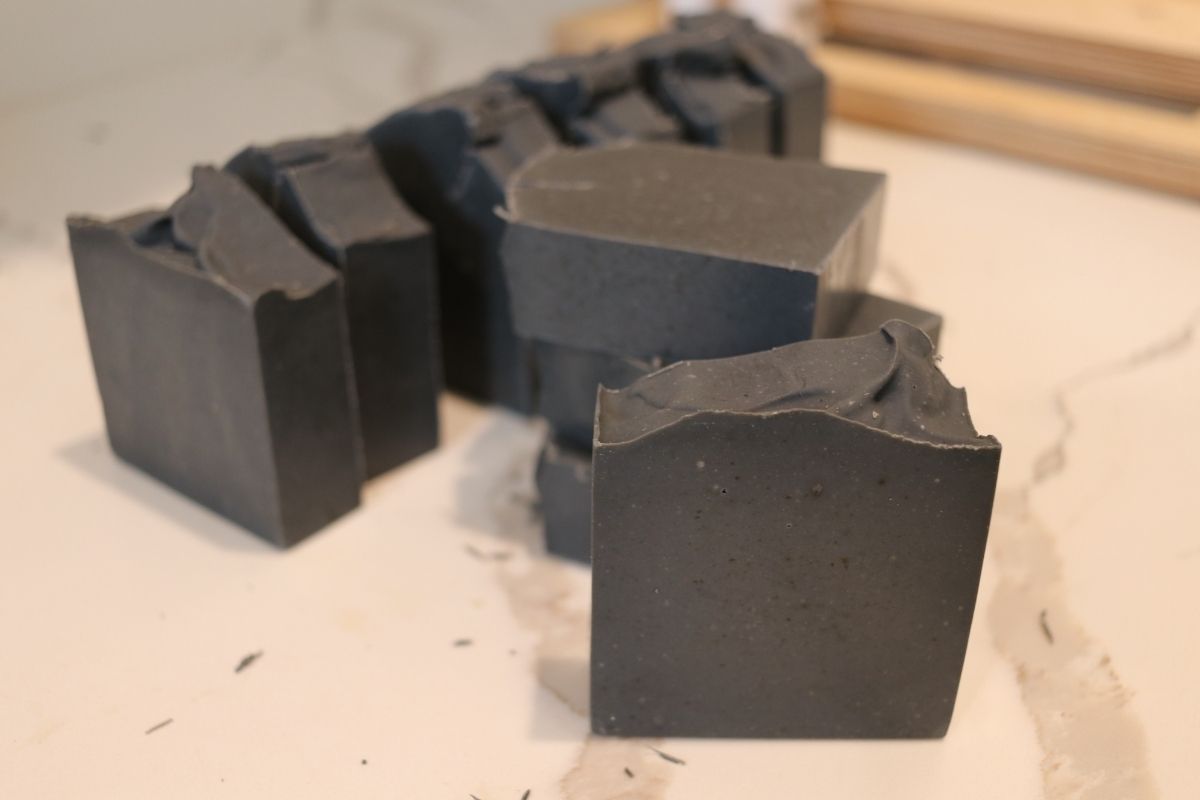
soothing nettle soap on white counter
Serra Blaine RN, BSN, Certified Herbalist

Soothing Nettle Soap

Create your own handmade soap at home with this simple natural cold process soap recipe for beginners, featuring cocoa butter, coconut oil, shea butter, and olive oil infused with calendula and nettle. Perfect for sensitive or dry skin, this recipe includes optional natural add-ins like kaolin clay, beet powder, chamomile, and activated charcoal. Follow the step-by-step instructions to safely make your first batch of nourishing, personalized soap bars.
Course: DIY
Cuisine: Soap

Ingredients
  

Oils and Butters
  • 8 oz Cocoa butter
  • 8 oz Coconut oil
  • 4 oz Castor oil
  • 12 oz Olive oil - infused with calendula and nettle Tip: Use standard olive oil if preferred; adjust with SoapCalc if swapping oils.
  • 8 oz Shea butter
Optional Add-Ins 0.5 - 1 T each
  • 0.5 - 1 Beet powder supports skin health
  • 0.5 - 1 Chamomile powder soothing for sensitive or irritated skin
  • 0.5 - 1 Activated charcoal gentle detox
  • 0.5 - 1 Kaolin clay helps detox
Other Ingredients
  • 5.39 oz Sodium hydroxide
  • 8.08 oz Distilled water

Equipment

  • 1 Digital scale
  • 1 Stick blender
  • 1 Soap Molds
  • 2 Heat safe containers do not use aluminum.
  • 1 Gloves, long sleeves, and safety glasses
  • 1 Mask recommended for sensitive individuals
  • 2 Spoons/spatulas for mixing
  • 1 Infrared thermometer
  • 1 Freezer paper or workspace covering optional

Method
 

  1. Prepare Workspace – Cover surfaces, gather tools, and wear gloves, long sleeves, and safety glasses. Wear a mask if sensitive to lye.
  2. Make the Lye Solution First – Slowly add sodium hydroxide to distilled water in a heat-safe container. Let cool to room temperature. Always pour lye into water.
  3. Measure and Melt Oils – Weigh oils and butters accurately. Place in a heat-safe container large enough to hold oils plus lye solution. Melt gently in a microwave or double boiler until fully liquid.
  4. Check Temperatures – Oils and lye solution should be roughly the same temperature (room temperature or slightly warmer) before combining. Use an infrared thermometer for accuracy.
  5. Add Optional Ingredients – Stir in powders, clays into oils while they are cooling. Mix gently to incorporate evenly.
  6. Combine Oils and Lye – Slowly pour cooled lye solution into melted oils. Blend in short bursts with a stick or immersion blender until light trace is reached.
  7. Pour into Molds – Carefully pour soap batter into molds. Tap lightly to release bubbles. Optionally sprinkle flower petals or herbs on top. Cover to retain heat during gel phase.
  8. Gel Phase & Cure – Allow soap to sit 24–48 hours in molds. Unmold, cut, and cure at room temperature for 4–6 weeks to complete saponification and harden bars.
Notes

Tips for Beginners

  • Start with a small batch to make handling easier.
  • Track your recipes for future adjustments.
  • Use a soap calculator for swaps or changes to oils or amounts.
  • Expect minor imperfections like soda ash or slight cracks—they are normal.
  • Have patience and enjoy the creative, hands-on process of making natural handmade soap.